Power Shortage Opens New Opportunities for AI Infrastructure Investors
Power has become the primary bottleneck in AI data center deployment. Power grids cannot keep pace with demand generated by technology giants. This opens an…
AI-processed from TechCrunch; edited by Hamidun News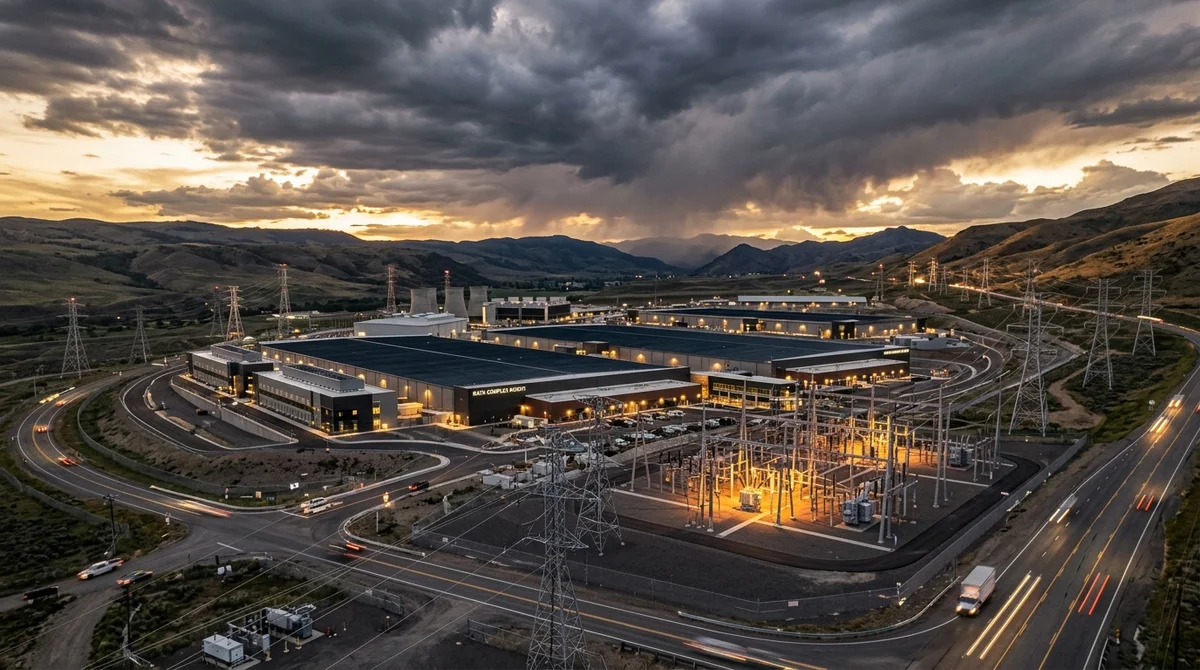
Energy shortage is becoming a systemic bottleneck for the global AI industry. Data centers consume enormous amounts of power, and the existing power grid infrastructure is not designed for such demand. According to analysts' estimates, by 2030, AI data centers alone will consume between 160 and 200 gigawatts per year — comparable to the consumption of entire countries. Against this backdrop, investors are shifting priorities: instead of direct bets on AI companies, capital is flowing into energy technologies.
The problem didn't emerge suddenly. Building a data center is relatively fast: a large facility can be constructed in 18–24 months. But connecting to the power grid requires much more time. In the US, Europe, and Asia, queues for grid connections stretch for 5–10 years. Microsoft, Google, Amazon, and Meta have already faced situations where the building is ready, servers are installed, but there isn't enough capacity for full operation. This creates an unusual investment opportunity.
Traditionally, venture capital in the AI sphere flowed into models, chips, cloud platforms, and applications. Now the focus is shifting. Major funds are actively investing in companies working on small modular nuclear reactors, industrial energy storage systems, and technologies for managing distributed networks.
Some AI players are also moving in this direction: Microsoft signed an agreement to restart the Three Mile Island nuclear power plant specifically to power its data centers. In parallel, interest is growing in geothermal energy, iron-air battery storage systems, and software for optimizing energy consumption. The latter direction is particularly attractive: as electricity costs rise, even small improvements in efficiency yield significant economic benefits.
According to McKinsey, by 2030, the market for data center energy management technologies will exceed 20 billion dollars.
There is also broader context. The energy transition — decarbonization, industrial electrification, development of renewable sources — already required massive investments in networks and generation even without AI. The AI boom has added a powerful new impulse to this demand.
The combination of two global megatrends creates a situation where investments in energy technologies look defensive regardless of who wins the race for models and platforms. This is an important signal for the market. The era when it was enough to invest in "anything AI" is ending.
Smart money increasingly seeks infrastructure bets — where demand is guaranteed regardless of the outcome of competitive battles. Energy in this logic is an ideal candidate: AI is impossible without electricity, and this dependence will only grow stronger.
Want to stop reading about AI and start using it?
AI News is a curated feed of AI/tech news. Hamidun Academy teaches you to use AI systematically in your work.