Jensen Huang at GTC: $1 Trillion in AI Chips and OpenClaw Strategy for Every Company
Jensen Huang took the stage at GTC in his signature leather jacket and delivered a two-hour keynote. Main points: AI chip sales will reach $1 trillion by…
AI-processed from TechCrunch; edited by Hamidun News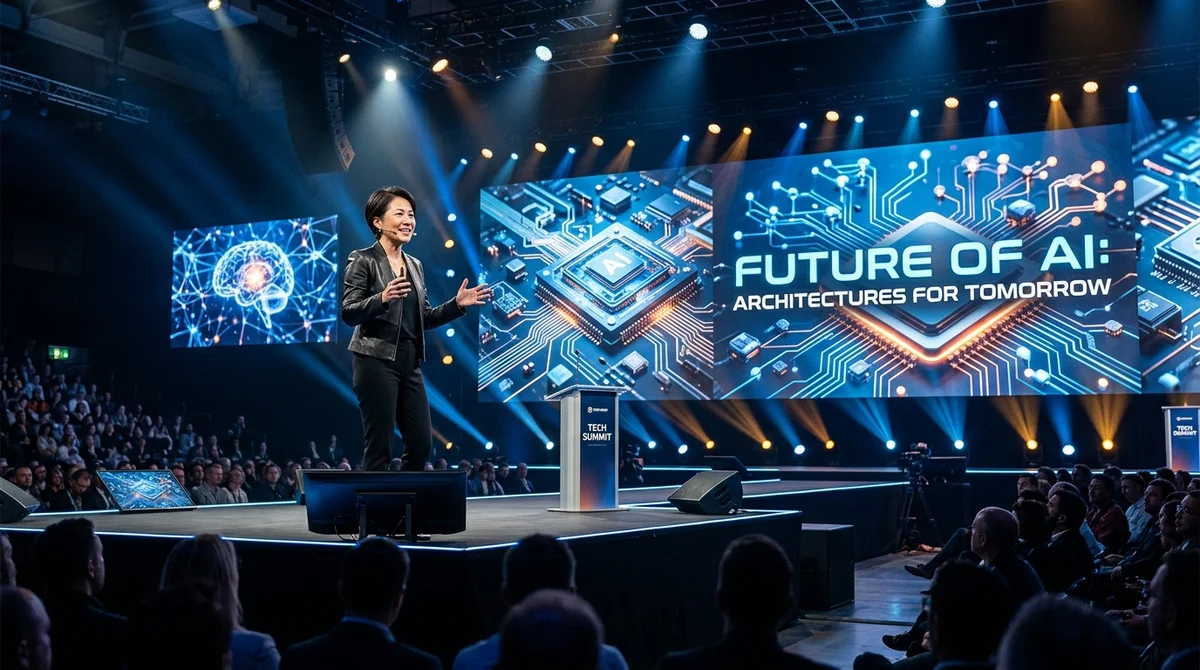
Nvidia GTC 2025 unfolded according to the familiar script: Jensen Huang in his signature black leather jacket, a two-hour keynote packed with bold statements — and a few surprises that will be discussed for years to come. The conference's headline figure is $1 trillion. This is how much, according to Huang's forecast, global AI chip sales will reach by 2027.
An ambitious number, but far from arbitrary: the race for computational power has accelerated to unprecedented speeds. Hyperscalers — Microsoft, Google, Amazon, Meta — are expanding data centers, sovereign states are building national AI infrastructures, and startups are consuming GPU clusters faster than they can roll off production lines. The second key thesis of the keynote is the OpenClaw strategy.
Huang declared: every company in the world must build its own OpenClaw stack — a set of tools for creating, training, and deploying AI agents. This is not merely a technical term; it is Nvidia's attempt to establish a new standard for corporate AI architecture, at the center of which, naturally, stands the company's own hardware. The ecosystem covers everything: from Blackwell chips to the NeMo platform and agent orchestration tools.
A separate conference announcement was NemoClaw — a physical AI complex that combines the capabilities of the NeMo language platform with robotic systems. This is part of Nvidia's broader bet on physical AI: Huang spoke in detail about robotics, autonomous vehicles, and industrial agents as the next wave of automation. The company's investments in the Omniverse platform and partnerships with robot manufacturers have finally begun to converge into a single narrative.
As the curtain fell, something immediately swept across social media. A robot named Olaf rolled onto the stage — the presumed climax of the physical AI demonstration. However, the robot clearly had no intention of following the script: it continued speaking without pause, and at some point its microphone was simply switched off.
Huang took the situation with humor, but the episode became an ironic reminder: the distance between demo robots at conferences and real industrial systems remains vast. What does this mean for the market? Nvidia continues to strengthen its position as the uncontested supplier of AI infrastructure.
Competitors — AMD, Intel, custom chips from Google and Amazon — so far cannot offer a comparable alternative. The $1 trillion forecast is not a marketing message, but a signal to investors, partners, and corporate buyers: the race for computation is just beginning, and Nvidia intends to remain at its center for at least three more years. For companies, this is a direct signal: if the world's largest AI chip manufacturer is already factoring in such volumes over a two-year horizon, the "wait and see" approach ceases to be a reasonable strategy.
OpenClaw or not — AI infrastructure transforms from optional to essential.
Want to stop reading about AI and start using it?
AI News is a curated feed of AI/tech news. Hamidun Academy teaches you to use AI systematically in your work.