Arm Releases Its First In-House Chip in 35 Years — in Partnership With Meta
Arm releases its own processor for the first time in 35 years — the chip was developed jointly with Meta, which became the first customer. The company, which…
AI-processed from TechCrunch; edited by Hamidun News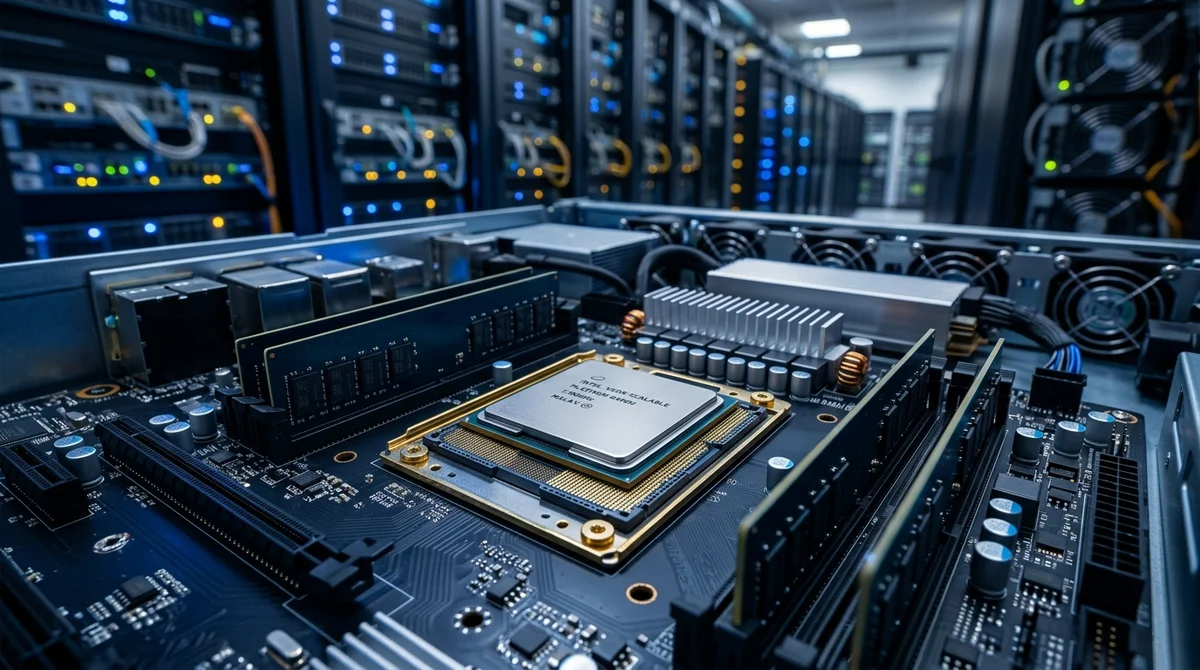
For 35 years of its existence, Arm has licensed its architectures to thousands of companies — Apple, Qualcomm, NVIDIA, Samsung, Amazon. All of them created chips based on Arm designs, while the company itself remained in the shadows as a supplier of intellectual property. Now this is changing: Arm is releasing its own processor for the first time in its history, and Meta became the first customer.
This is not just corporate news — this is a shift in business model that has been forming for three and a half decades. Arm, which SoftBank acquired for 32 billion dollars in 2016 and which went public in 2023 with a valuation above 60 billion, has always earned money from royalties and licensing architectures. Now the company wants to receive a share of the silicon market directly — and is entering this space in partnership with one of the world's largest consumers of computing power.
There are few details about the specific chip yet. It is unclear what process node is being used and who manufactures the physical wafers. Arm traditionally works with TSMC, which remains the most likely option.
Development was carried out jointly with Meta — a company that spends tens of billions of dollars annually on infrastructure for training and deploying its AI models: Llama, advertising algorithms, recommendation systems for Instagram and Facebook. Why now? Arm is stepping out of its traditional niche at a moment when demand for specialized AI chips has reached record levels.
NVIDIA dominates large model training, but companies are increasingly seeking alternatives for inference — cheaper and more energy-efficient solutions that can be scaled in data centers without multibillion-dollar electricity bills. Arm architecture has historically led in energy efficiency, making it attractive precisely in this segment. For Arm itself, this move carries obvious strategic risks.
The company risks putting itself in competitive position with its own licensees — Qualcomm, Amazon (Graviton), Microsoft and Google, who have spent years building their own Arm chips. None of these partners will be pleased to learn that the supplier of their IP is now entering the market for end solutions. On the other hand, this is a logical step for a company long stuck in the royalty trap.
Even with growth in the Arm device market, revenue growth is strictly limited by a percentage of chip cost. Direct silicon sales open up a completely different scale of margin. Partnership with Meta works in both directions.
Meta is building its own AI infrastructure and wants to reduce dependence on NVIDIA. Arm gains an anchor customer and a real case for negotiations with other hyperscalers — Amazon Web Services, Microsoft Azure, Google Cloud. All of them are seeking alternatives to H100 and B200 for inference workloads, and an Arm chip with competitive performance and better power consumption potentially can occupy this niche.
The transition from an IP company to a chip manufacturer is one of the riskiest strategic maneuvers in the semiconductor industry. Historically, few companies have successfully made this transition. But this very risk, if Arm pulls it off, could transform the company from a niche royalty supplier into a key player in AI infrastructure for the next decade.
Want to stop reading about AI and start using it?
AI News is a curated feed of AI/tech news. Hamidun Academy teaches you to use AI systematically in your work.