Spotify tests a tool to protect artists from AI tracks released under their names
Spotify is testing a tool that gives artists control over which tracks appear next to their names on the platform. The main goal is to stop AI-generated…
AI-processed from TechCrunch; edited by Hamidun News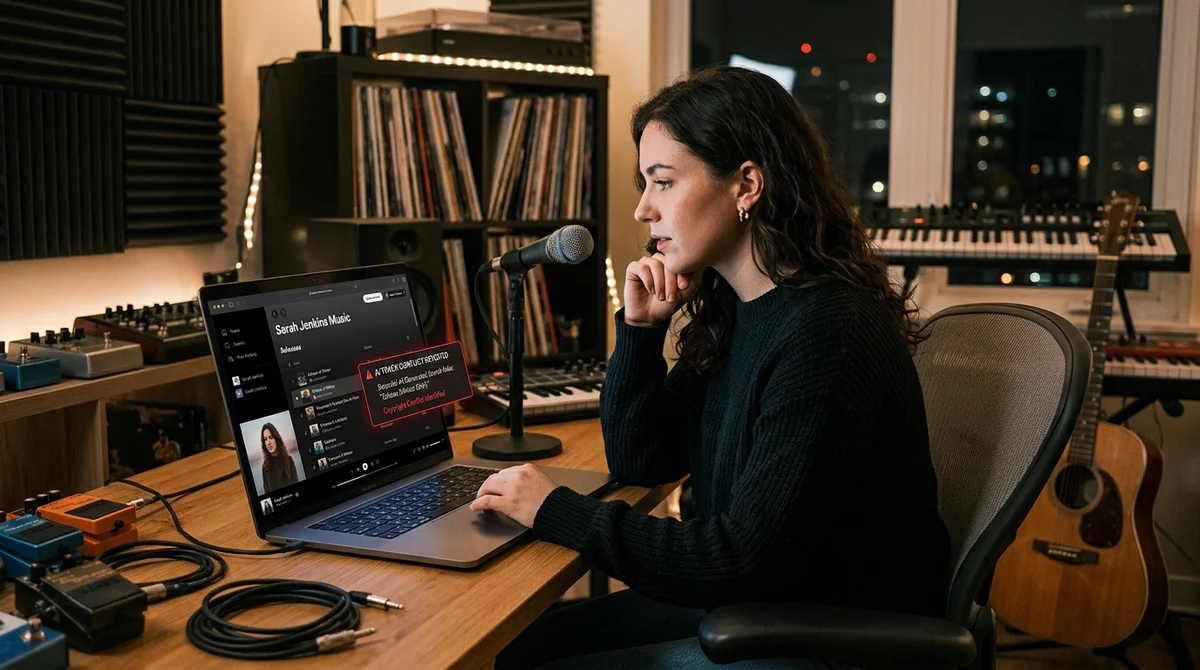
Spotify has launched testing of a new tool that should give musicians more control over which tracks appear alongside their name on the platform. The main goal is to stop the wave of AI-generated content that fraudulently misattributes real performers. The problem of "AI slop" in music is growing at the same pace as in text or images.
Automated tools allow creators to generate hundreds of tracks per day with names and descriptions imitating the style of famous artists. Once on streaming platforms, such content settles into search results and recommendations alongside original works, misleading listeners and blurring performers' reputations. Spotify is not the first to face this phenomenon.
Back in 2023, the platform removed hundreds of thousands of tracks uploaded by Boomy after it was discovered they were used to manipulate streaming metrics. Since then, the scale of the problem has only grown: tools like Suno and Udio allow generating music virtually indistinguishable from human-created work in seconds. The new tool operates differently from a traditional moderation approach.
Instead of the platform itself identifying and removing suspicious content, musicians are offered the opportunity to flag tracks that have nothing to do with them. This shifts the logic: protection becomes proactive on the rights holder's side rather than reactive on the platform's side. This approach makes sense from a scalability perspective.
Spotify has over 100 million tracks in its catalog, and it's impossible to manually verify each uploaded file. Shifting some of the responsibility to the artists themselves is a logical solution for an ecosystem where content uploads are in the tens of thousands per day. At the same time, this approach has obvious limitations.
Emerging artists with small audiences may not know that fake tracks exist under their names. Performers without technical support or management may struggle to keep up with monitoring the platform. Finally, the very fact that such a tool is needed suggests that existing verification mechanisms do not adequately protect against abuse.
While Spotify is testing the tool in limited mode, the details of the mechanism remain undisclosed. It is unclear whether artist complaints will result in automatic track deletion or only in additional review. It is also unclear whether the tool will extend to all rights holders or only to verified artists with official profiles.
Nevertheless, the direction is clear: platforms are gradually realizing that a passive stance on AI content is costlier—both in terms of reputation and legally. Spotify's tool, however limited it may be at the testing stage, signals a shift in approach: from "we'll remove it when we notice" to "we'll give artists a protection mechanism." For listeners, this is a step toward more honest search results, where searching by artist name returns their actual works rather than a stream of autogenerated content.
Want to stop reading about AI and start using it?
AI News is a curated feed of AI/tech news. Hamidun Academy teaches you to use AI systematically in your work.