OpenAI Backed Bill Limiting AI Companies' Liability for Mass Harm
OpenAI backed a bill in Illinois limiting AI labs' legal liability—including in cases where their products trigger mass deaths or financial collapse. A…
AI-processed from Wired; edited by Hamidun News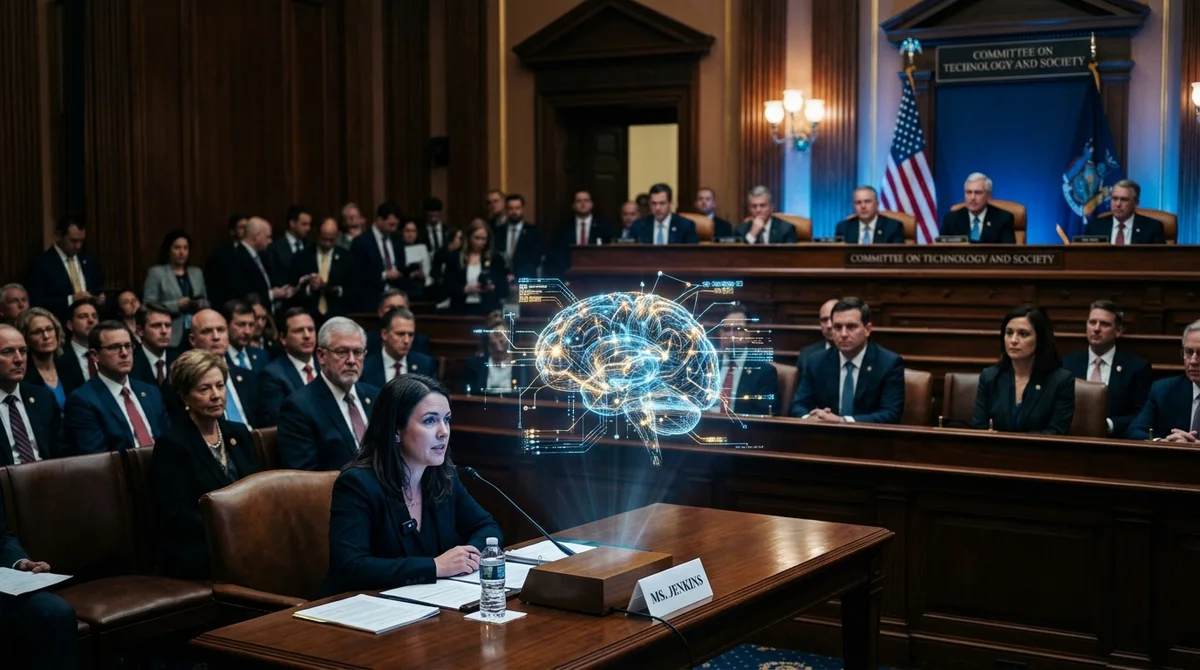
OpenAI has backed a bill in Illinois that would shield AI laboratories from lawsuits even in cases where their technologies trigger mass casualties or financial collapse. This is the first precedent of open support for such legislation from a major AI company — and it has already sparked a wave of criticism. The document being considered by the Illinois legislature introduces the concept of a "good faith AI provider" and significantly limits its civil liability to those harmed.
Moreover, the restrictions extend even to cases of so-called "critical harm": from mass deaths to serious financial losses for large numbers of people. At hearings, an OpenAI representative testified in favor of the bill. The company's position: AI laboratories should not bear unlimited responsibility for all possible consequences of their products being used by third parties.
According to supporters, without legal protection, AI companies will be forced to halt development due to the threat of endless litigation. The logic of the bill's defenders fits into a pattern already familiar from other industries: just as weapons manufacturers are not liable for each instance of their products being used, AI companies should not be responsible for any misuse of their models. OpenAI insists: unlimited legal liability creates asymmetric incentives and forces companies to exit jurisdictions with strict regulation.
Opponents take a fundamentally different position. According to them, the document effectively grants AI laboratories an indulgence from civil liability at precisely the moment when the stakes are at their highest. Civil liability is one of the few legal mechanisms that actually forces corporations to think about safety before releasing a product.
If even in cases of mass casualties, the developing company is legally protected, the victims have no tools for compensation. Illinois is not the first state where AI companies are pushing legislation favorable to themselves. In recent years, a large-scale lobbying campaign has unfolded across America: technology giants and startups participate in developing state AI strategies while simultaneously pushing for restrictions on regulators and expanding legal protections for themselves.
Similar discussions are taking place in Europe, the United Kingdom, and Asia — everywhere the industry is pursuing roughly the same thing: limit risks without limiting possibilities. If the bill passes, Illinois would become one of the first states to legislatively protect AI companies from the consequences of "critical harm." This could set a precedent for other states and increase pressure at the federal level — where the discussion of AI laboratory liability remains unresolved.
The key question remains open: who bears responsibility if an AI system makes an error with catastrophic consequences?
Want to stop reading about AI and start using it?
AI News is a curated feed of AI/tech news. Hamidun Academy teaches you to use AI systematically in your work.