Meta's New AI Requests Users' Medical Data and Dispenses Harmful Advice
Meta has launched the Muse Spark AI model with the capability to analyze personal medical data — including laboratory test results. A Wired journalist tested…
AI-processed from Wired; edited by Hamidun News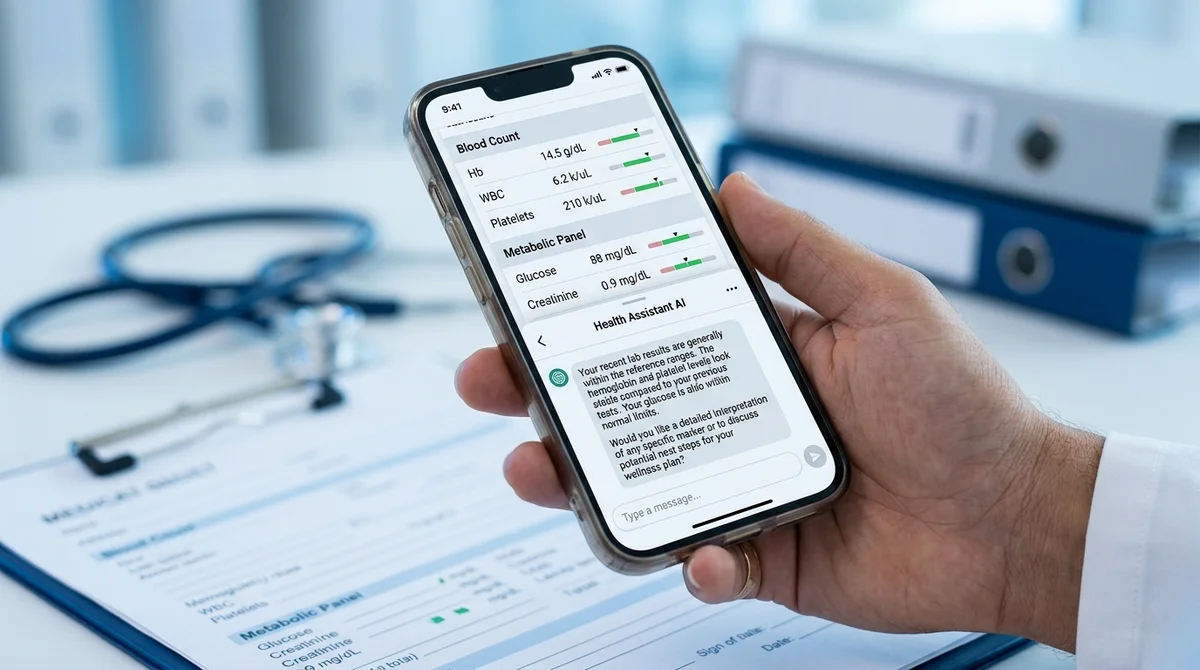
Meta introduced the Muse Spark model with a feature for analyzing users' medical data, including laboratory test results. A Wired journalist tested the AI's capabilities and got a concerning result: the system not only actively requested raw personal health data, but also provided advice that qualified doctors would characterize as harmful.
The function works like this: a user uploads medical examination data—blood tests, test results, biomarker readings—and Muse Spark interprets them and provides recommendations. At first glance, this looks like a convenient tool for those who struggle to understand medical documentation without a specialist. In practice, the picture is different.
During testing, the model asked clarifying questions that required sharing highly sensitive health information. However, Meta does not provide users with a comprehensive answer about how exactly these data are stored, processed, and used further. Given that the company profits from targeted advertising, such lack of transparency raises well-founded concerns.
An even more serious problem is the quality of the advice itself. The AI interpreted medical metrics superficially, did not account for individual patient context, and in several cases made conclusions contradicting current clinical recommendations. Inaccurate health advice is not just poor user experience; it is potential harm to a specific person.
The Muse Spark situation fits into a broader trend: large technology companies are increasingly entering the medical domain. Apple is adding monitoring features to Watch, Google is developing Med-PaLM, startups promise diagnosis from photos. Demand for accessible medical advice is enormous—especially where doctor appointments take weeks and private consultations are expensive. However, the gap between what current language models can do and what is required from a medical advisor remains significant.
A doctor doesn't just read the numbers in a test—they account for medical history, medications taken, lifestyle, and see the patient over time. A language model working with a single uploaded document lacks all this context.
The regulatory landscape is not keeping pace with technology. In the US, medical software falls under FDA control, but language models with "general recommendations" functions currently exist in a legal gray area. Meta apparently deliberately positions Muse Spark as an informational tool rather than a diagnostic tool—this allows it to avoid strict clinical testing requirements.
The Wired test is yet another reminder that the ability to do something and the willingness to take responsibility for it are different things. Whether Meta can handle medical data responsibly is a big question that remains without a convincing answer.
Want to stop reading about AI and start using it?
AI News is a curated feed of AI/tech news. Hamidun Academy teaches you to use AI systematically in your work.