Tokenmaxxing and the chasm: OpenAI buys up everything while Anthropic hides a model
The divide between AI insiders and the rest of the world is growing — and it is already visible in the lexicon. OpenAI is buying up fintech services and TV…
AI-processed from TechCrunch; edited by Hamidun News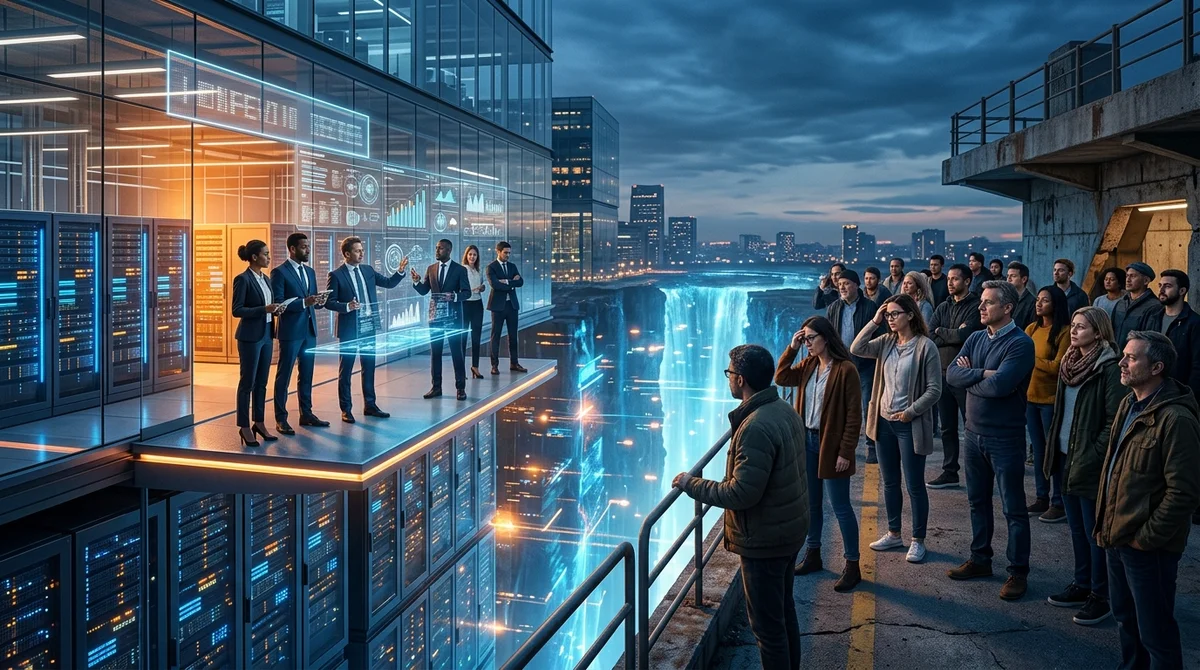
The gap between those inside the AI industry and everyone else continues to grow — and it's now visible not only in budgets, but also in vocabulary. While some companies buy fintech startups and TV shows, others rebrand themselves as "AI infrastructure companies," and still others publicly declare they've created something too powerful to release to the public. OpenAI has recently been actively expanding the boundaries of its business far beyond AI development.
The company acquires everything — from financial applications to TV content producers. This is no longer just an AI lab: we're witnessing a vertically integrated media and technology conglomerate being built in front of the entire industry. The logic is clear: the more user contact points, the more data, and data is fuel for the next generation of models.
Against this backdrop, one well-known shoe company made an unexpected move and repositioned itself as a player in AI infrastructure. It sounds strange, but it reflects a real trend: the word "AI" has become so magical for investors that even companies from completely different industries are rushing to write it into their identity. Important caveat: far from all such claims are backed by real technical capabilities.
Anthropic took a different path. The company presented a new model and immediately warned: it's too powerful to release to the public. The reaction was mixed.
On one hand — this is honesty, an acknowledgment that the capabilities of AI systems are beginning to outpace society's readiness to work with them. On the other hand — this is marketing: nothing sparks interest like the phrase "we can't show you this." Nevertheless, Anthropic consistently adheres to a position of responsible development, and it has enough reputation capital to trust this narrative.
The term "tokenmaxxing" emerged in AI circles to describe an approach where systems literally fill all available context with tokens — generate as much text as possible or process as much incoming data as possible. It sounds productive, but critics wonder: aren't we pursuing quantity at the expense of quality? More tokens don't mean better understanding or more accurate results.
Sometimes it's just noise multiplied by computational power. This is where the main divide manifests itself. AI insiders — researchers, engineers, investors, entrepreneurs — operate with terms and concepts that sound like a foreign language to the rest of the world.
While the industry debates benchmarks, architectures, and context window sizes, most people just want to understand how ChatGPT or Claude is personally useful to them. Suspicion of AI is growing in parallel with spending. Companies spend billions on infrastructure, computing, and talent — and these amounts continue to increase.
The question of when exactly these investments will start paying off for a wider audience remains open. Regulators, journalists, and ordinary users are asking the same questions: what exactly are we building, who is paying for it, and who ultimately benefits. Tokenmaxxing as a metaphor accurately describes what's happening overall: the industry generates more and more — models, statements, deals, words — and the question becomes ever more pressing: does this lead anywhere truly important?
A technological boom is not yet an answer to the question of why all this was started.
Want to stop reading about AI and start using it?
AI News is a curated feed of AI/tech news. Hamidun Academy teaches you to use AI systematically in your work.