OpenAI and Oracle cancel expansion of flagship data center in Texas
Oracle and OpenAI have officially abandoned plans to expand their key data center in Texas. The decision followed protracted funding talks that failed to produc
AI-processed from Bloomberg Tech; edited by Hamidun News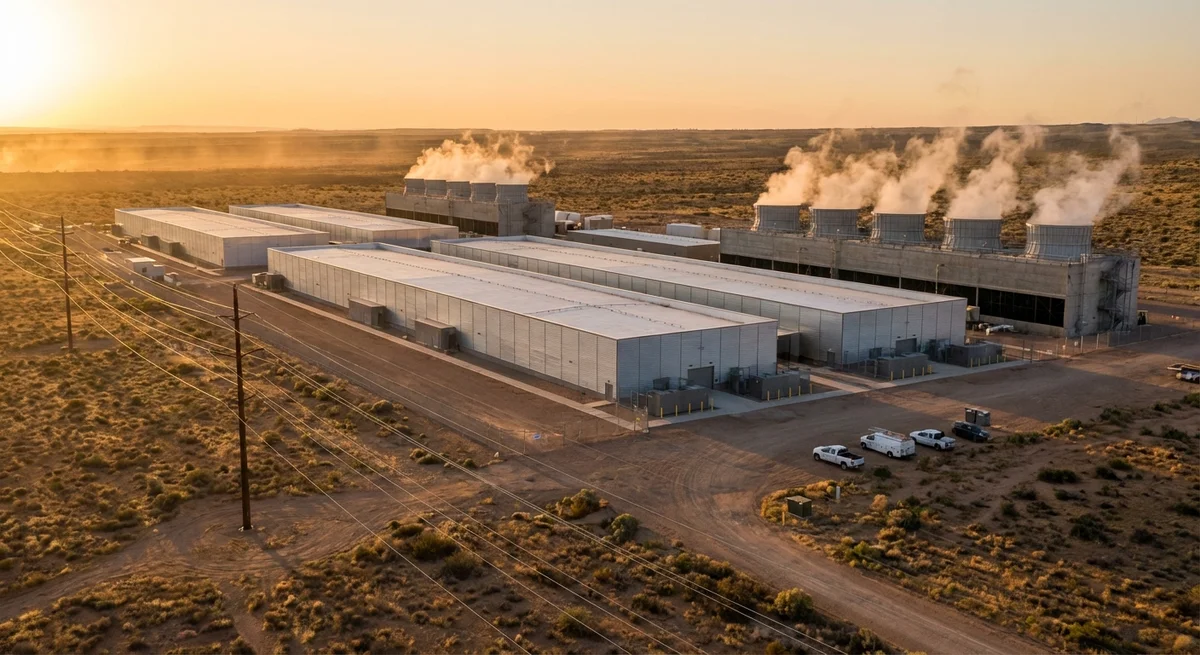
OpenAI and Oracle cancelled the expansion of their flagship data center in Texas
Oracle and OpenAI have officially abandoned their plans to expand their key data processing center in Texas. This decision, which came as a surprise to many in the industry, was made after prolonged negotiations over financing that apparently did not lead to the desired agreement between the parties. Additionally, changes in OpenAI's own technical requirements played a substantial role, as the company's demands for computing power and infrastructure continue to evolve at a rapid pace amid the swift development of artificial intelligence. The failure of this large-scale project underscores the growing complexities associated with building and maintaining the infrastructure necessary for the large-scale deployment of AI technologies, including such critically important aspects as power supply and massive capital expenditures.
The context of the Texas data center expansion project was ambitious. The plan was to build the world's largest data processing center capable of satisfying OpenAI's growing appetite for computing resources for training and deploying its advanced artificial intelligence models. Oracle, in turn, was supposed to provide cloud infrastructure and support.
This project was viewed as a key step in ensuring OpenAI's long-term competitiveness and as a demonstration of Oracle's capabilities in cloud computing for AI. However, according to sources close to the negotiations, the stumbling block was the financial terms and structure of the deal, which the parties were unable to agree on. In parallel, OpenAI's rapid technological development led to a reassessment of its long-term strategy and, consequently, to changes in its hardware requirements.
A deeper analysis of the reasons for cancellation shows that the problem is not limited to financial disagreements alone. Changes in OpenAI's technical requirements are a critically important factor. Companies involved in AI development are in a constant search for optimal solutions for placing their computing clusters.
Requirements for performance, latency, bandwidth, and, particularly importantly, energy efficiency are constantly growing. What was relevant a year or two ago may today prove insufficient or suboptimal. In OpenAI's case, there may have emerged new, more efficient, or economically advantageous placement options, or priorities regarding the architecture of their computing systems may have changed.
Furthermore, issues related to infrastructure scalability and flexibility play a decisive role. Large-scale AI projects require not only massive initial investments but also the ability to quickly adapt to changing market conditions and technological breakthroughs.
The consequences of canceling this project are significant. First, it puts OpenAI in a difficult position, forcing it to urgently seek alternative sites for hosting its growing computing power. This could result in increased costs, delays in implementing new projects, and potentially diminished competitiveness.
Second, it casts a shadow on Oracle's reputation as a reliable partner for major AI startups, demonstrating that even the largest players face difficulties when implementing large-scale infrastructure projects. Third, the failure of such an iconic project may impact the entire industry, signaling increased risks and complexities associated with ensuring the necessary infrastructure for the rapidly developing AI sector. Issues of energy availability, supply chain resilience, and the high cost of building data centers are becoming increasingly acute.
In conclusion, the cancellation of plans to expand the flagship data center of OpenAI and Oracle in Texas is a striking example of the complexities faced by leaders in the artificial intelligence industry when scaling their infrastructure. The project, conceived as a monumental achievement, encountered insurmountable obstacles in the form of financial disagreements and changing technological needs. Now OpenAI faces the difficult task of finding new solutions to support its rapid growth, and the entire industry will closely watch how these challenges will be overcome in the future. This case underscores that in the race for dominance in the AI sector, the infrastructure component is becoming as important as the algorithms and models themselves.
Want to stop reading about AI and start using it?
AI News is a curated feed of AI/tech news. Hamidun Academy teaches you to use AI systematically in your work.