Oracle and OpenAI abandon expansion of flagship Texas data center
Oracle and OpenAI have dropped plans for a major expansion of a data center in Texas. The reason was prolonged financing talks and a shift in OpenAI's technical
AI-processed from Bloomberg Tech; edited by Hamidun News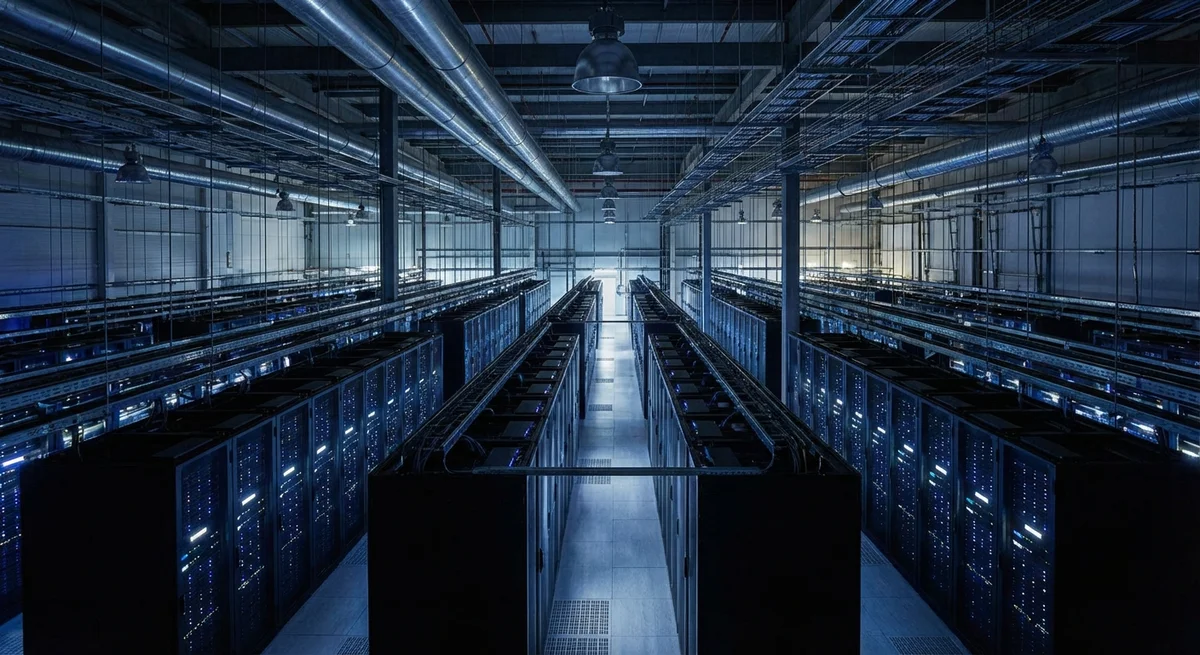
Oracle and OpenAI Abandon Plans to Expand Flagship Data Center in Texas
Oracle and OpenAI Abandon Plans to Expand Flagship Data Center in Texas
In a world of rapidly evolving artificial intelligence technologies, where demand for computing power grows exponentially, unexpected changes in the plans of major players can have far-reaching consequences. Recently, it became known that technology giants Oracle and OpenAI have decided to abandon their plans for a large-scale expansion of their flagship data center located in the city of Abilene, Texas. This decision, prompted by a complex combination of factors including protracted financing negotiations and OpenAI's changing technical priorities, opens new opportunities for other companies while simultaneously highlighting the immense complexity and cost of building AI infrastructure.
The situation surrounding the Texas data center unfolds against the backdrop of an unprecedented boom in artificial intelligence. Companies worldwide are investing billions of dollars in the development and deployment of AI solutions, which in turn requires enormous computing resources. Data centers equipped with thousands of specialized graphics processors (GPUs) have become the heart of this new technological revolution.
Oracle, as a cloud provider, and OpenAI, as a leader in generative AI model development, sought to strengthen their positions by expanding their infrastructure. However, as is often the case in such large-scale and capital-intensive projects, serious obstacles emerged along the way. Protracted discussions about financial matters and, more importantly, OpenAI's rapidly changing needs in technology and architecture, led to a revision of the original plans.
The freed-up capacity in Abilene can, according to sources close to the negotiations, potentially be leased by Meta Platforms. Notably, Nvidia, the leading AI chip manufacturer, is actively facilitating this process. Nvidia, interested in maximizing the utilization of its high-performance processors, is acting as a sort of catalyst, helping to facilitate dialogue between data center developer Crusoe and the potential tenant Meta.
If implemented, this move by Meta would allow the company to strengthen its own AI infrastructure, which also requires significant resources to support such projects as its own Llama model. The situation clearly demonstrates how complex and multifaceted the ecosystem of building AI infrastructure is: it requires not only colossal financial investments measured in tens of billions of dollars, but also coordinated efforts between technology giants, specialized developers, and key equipment suppliers.
The consequences of this decision can be multifaceted. On one hand, it underscores the high degree of competition in the AI infrastructure market and the flexibility that companies must demonstrate in response to rapidly changing technological landscapes. On the other hand, Meta's potential entry into the project may indicate its desire to accelerate the development of its own AI capabilities. Furthermore, this event once again draws attention to the critical dependence of the entire industry on limited supplies of high-performance chips, where Nvidia plays a dominant role. The complexity and cost of building such facilities also means that only a few companies have the resources to implement such ambitious projects, which could lead to further market consolidation.
In conclusion, the story of the Texas data center expansion serves as a striking example of how quickly priorities and strategies can change even for the largest technology companies in the context of rapid artificial intelligence development. Oracle and OpenAI's abandonment of their plans, Meta's potential entry, and Nvidia's active participation highlight not only the complexity and expense of creating necessary infrastructure, but also the dynamic nature of the race for technological superiority in AI, where flexibility and the ability to adapt quickly become key factors for success.
Want to stop reading about AI and start using it?
AI News is a curated feed of AI/tech news. Hamidun Academy teaches you to use AI systematically in your work.