Meta AI glasses send intimate videos for human review in Kenya
Swedish newspapers Svenska Dagbladet and Göteborgs-Posten published an investigation according to which Meta contractors in Nairobi, Kenya, are assigned video r
AI-processed from The Verge; edited by Hamidun News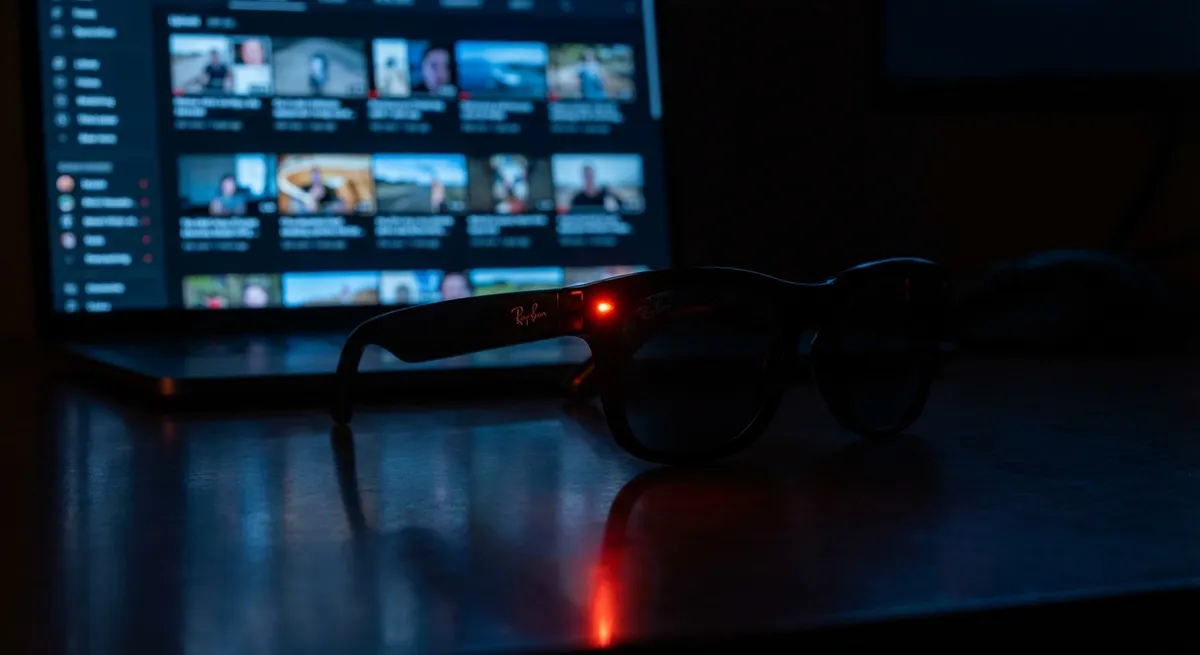
Meta, a company that has spent years assuring users of the safety of its smart glasses, has found itself at the center of yet another privacy scandal — and this time, the scale of the problem appears genuinely alarming. An investigation by two Swedish publications, Svenska Dagbladet and Göteborgs-Posten, revealed that video recordings from Ray-Ban Meta cameras are being sent for review to live people — contractors working for the company in Nairobi, Kenya. Among the materials they viewed were recordings from bathrooms, sexual scenes, and other deeply intimate moments from the lives of unsuspecting users.
To understand why this investigation resonated so widely, one must recall the context. Meta released smart glasses in partnership with Ray-Ban back in 2023, repeatedly emphasizing that the device was "designed with privacy in mind." An LED indicator on the frame was supposed to signal to those around the wearer that recording was taking place, and the company itself repeatedly stated that user data was handled with the utmost care. These promises became the key marketing argument: without them, selling a camera embedded in an everyday accessory would have been significantly harder. Now it turns out that reality differs radically from the advertising promises.
The practice of sending user data for moderation to contractors in countries with low labor costs is not new to the technology industry. Similar scandals have already shaken Amazon with its Alexa, Apple with Siri, and Google with Google Assistant. In all these cases, the companies admitted that live people listen to fragments of recordings ostensibly to "improve service quality." But the Meta case is fundamentally different: this is not about audio fragments of voice commands, but about video recordings that capture a person's everyday life from a first-person perspective. The camera on the glasses records everything the wearer sees — and, as it turns out, this "everything" includes the most private moments imaginable.
Technically, the situation is explained by how the AI functionality of the glasses works. When a user activates the Meta AI voice assistant, the device can capture video and send it to the company's servers for processing. Some of these recordings reach moderators — people who annotate data for training machine learning models. The problem is that users apparently do not realize the scale of what is being transmitted and to whom. The wording in the user agreement, as is often the case, is vague enough to provide legal cover for the company while not giving the user a real understanding of what is happening.
The reaction was not long in coming. In response to the publication by Swedish journalists, at least one class action lawsuit has already been filed in the United States, accusing Meta of violating false advertising and personal data protection laws. The plaintiffs cite precisely the company's marketing statements that the glasses are "designed for privacy" — a claim that, after the investigation, looks like a direct deception of consumers. If the court sides with the plaintiffs, the financial consequences for Meta could be quite substantial, although for a company with a market capitalization in the hundreds of billions of dollars, fines rarely become a serious deterrent.
Much more important is the reputational damage and its long-term consequences for the entire wearable AI device industry. Meta is not the only company betting on smart glasses and first-person cameras. Snap, Google, and dozens of startups are working on similar products. Every such scandal undermines consumer trust not in one brand but in an entire class of devices. People are already wary of cameras embedded in everyday items — one need only recall the fate of Google Glass, which failed largely due to public rejection. If the industry cannot offer truly transparent and verifiable data protection mechanisms, wearable AI devices risk remaining a niche product for enthusiasts.
The Kenyan aspect of this story deserves special attention. Nairobi has long been one of the largest hubs for content moderation outsourcing — it is here that contractors for Meta, OpenAI, TikTok and other companies, for modest pay by Western standards, carry out work that is essential to the functioning of global AI systems. Previously, journalists have already documented cases of psychological trauma among moderators forced to view violent and explicit content on a daily basis. Now another layer is added: people in Kenya are viewing intimate recordings of users from Europe and the United States who have no idea these viewers even exist.
This scandal poses a fundamental question to the industry for which there is currently no good answer. Modern AI systems require human data annotation — this is an inevitable part of the training process. But where is the line when it comes to first-person video footage captured in the most private moments of a person's life? Meta will need to find an answer quickly — because the next generation of its glasses, according to reports, will feature even more advanced AI capabilities and even more powerful cameras.
Want to stop reading about AI and start using it?
AI News is a curated feed of AI/tech news. Hamidun Academy teaches you to use AI systematically in your work.