How Experts Tell Truth from Deepfakes in the Age of Information Wars
After the joint US-Israeli strike on Iran, social media was flooded with a wave of fake images and videos — from AI-manipulated footage to screenshots from the
AI-processed from The Verge; edited by Hamidun News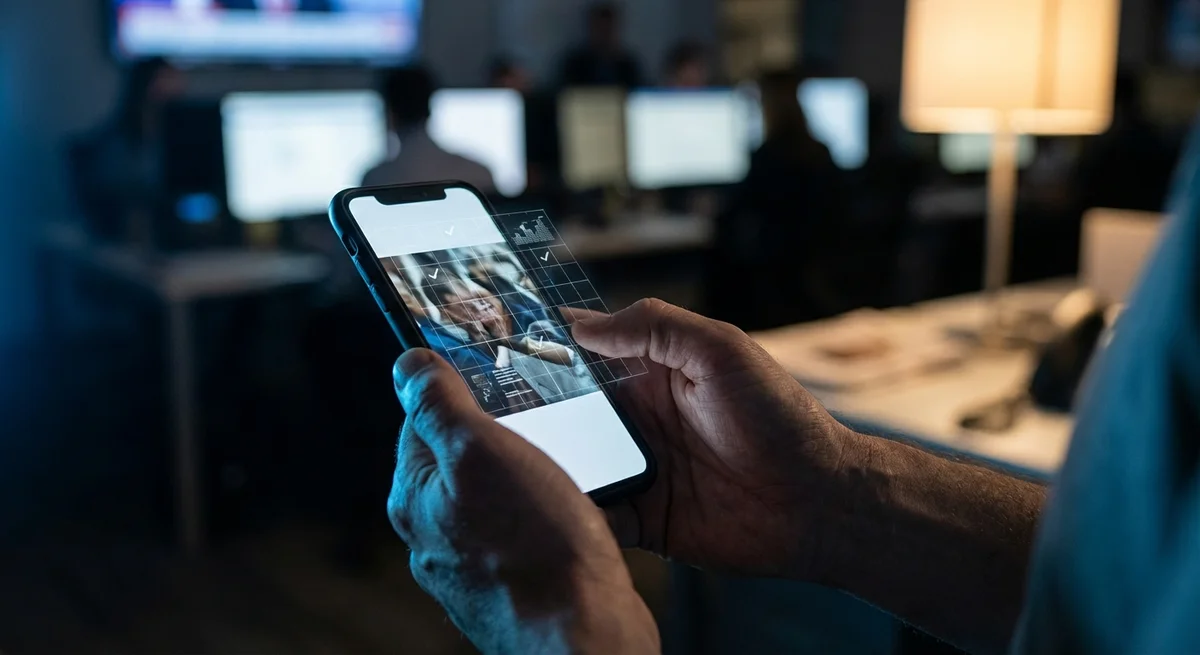
When the USA and Israel launched a joint military strike against Iran last Saturday, the internet responded instantly — but not quite as expected. Instead of credible reports from the scene, social media was flooded with streams of images and video recordings that purportedly documented the event. The problem is that a significant portion of these materials turned out to be fake: outdated footage from other conflicts, images generated or processed using artificial intelligence, and even screenshots from the military simulator War Thunder passed off as real combat operations.
This situation vividly demonstrated the scale of the problem humanity has faced in the era of generative AI. Technologies for creating realistic forgeries have become so accessible and sophisticated that even a prepared viewer cannot always distinguish a genuine frame from a synthetic one. Deepfakes have ceased to be exotic laboratory products — they have become an everyday tool of disinformation, especially dangerous during moments of geopolitical crises, when emotions run high and critical thinking takes a back seat.
Against this backdrop of information chaos, the work of professional digital investigators becomes particularly valuable. Organizations like The New York Times, the Dutch group Indicator, and the renowned Bellingcat have built multilevel content verification procedures that allow them to avoid publishing synthetic or misleading materials. Their methodology includes an entire arsenal of tools and approaches: from reverse image search and metadata analysis to matching shadows in photographs with astronomical data about the sun's position in a specific location at a specific time.
However, the most important thing in this story is that basic verification techniques are available not only to journalists with years of experience. Experts emphasize that ordinary users can significantly reduce the risk of spreading disinformation if they adopt a few simple rules. First and foremost — do not share content in moments of emotional excitement.
A pause of a few minutes between viewing a shocking frame and clicking the "repost" button can prevent a fake from going viral. Next — verify the source. If an image appeared without attribution to a specific author, publication, or news agency, this is a serious reason for doubt.
Finally — use available technical tools, such as Google Reverse Image Search or TinEye, which allow you to check whether this frame has been published before in a different context.
The situation is complicated by the fact that generative models improve every month. If two years ago AI-generated images could be recognized by characteristic artifacts — six fingers on hands, blurry text, unnatural textures — modern generation systems are practically free of these obvious signs. This creates an arms race between deepfake creators and those who expose them. Major technology companies are investing in AI content labeling systems such as Content Credentials and C2PA, but their implementation is moving slower than desired, and bad actors have learned to remove digital watermarks.
For Russia, this problem has special significance. The Russian-language information space has traditionally been vulnerable to disinformation due to a high level of trust in visual content and a relatively low culture of fact-checking among the mass audience. At the same time, there are critically few Russian-language counterparts to Bellingcat that work with open verification methodologies. This means that the responsibility for filtering content largely falls on the users themselves.
The conclusion that emerges from all this is simultaneously simple and alarming. We have entered an era when digital literacy skills have ceased to be optional. The ability to critically evaluate visual content is no longer a professional competency of a journalist, but a basic survival skill in the information environment. And as long as detection technologies lag behind generation technologies, the main filter between truth and lies remains human skepticism — that same inner voice that says "wait, is this really real?" before your finger touches the "share" button.
Want to stop reading about AI and start using it?
AI News is a curated feed of AI/tech news. Hamidun Academy teaches you to use AI systematically in your work.