SearXNG instead of paid search in Claude Code: how developers bypass Anthropic's limits
Claude Code's built-in WebSearch costs $0.01 per query and often returns limit errors even on the $200-a-month subscription. A developer on Habr described a sol
AI-processed from Habr AI; edited by Hamidun News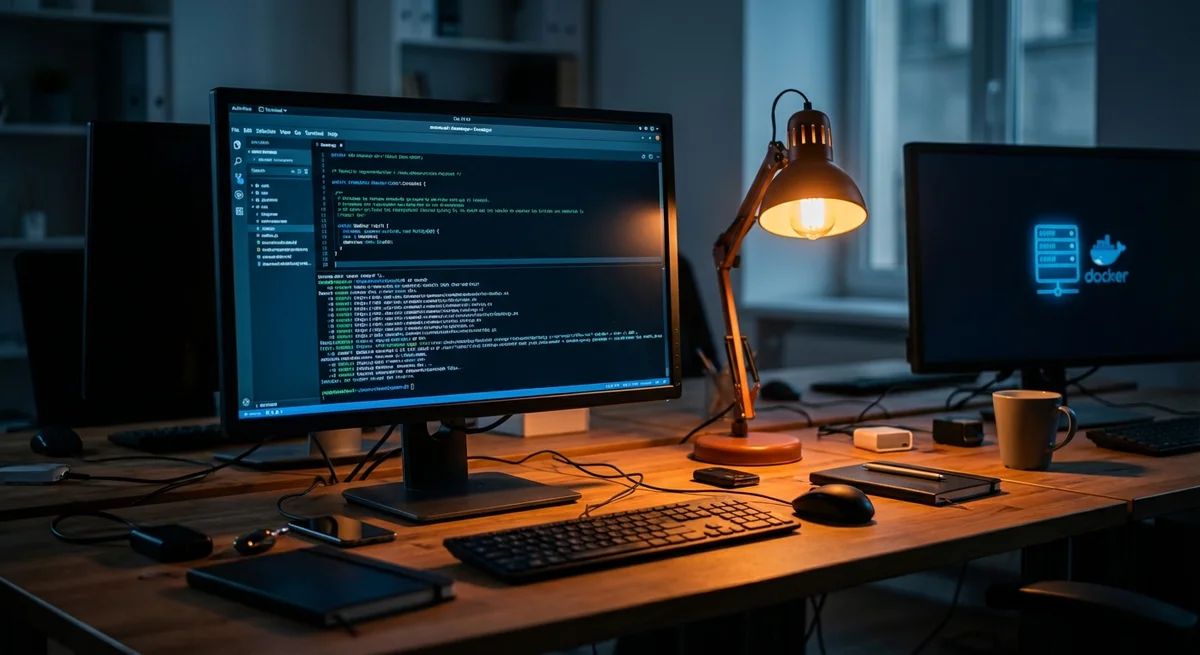
Developers actively using Claude Code — Anthropic's terminal AI assistant — have faced an unpleasant reality: the built-in web search function is not only paid, but also unreliable. One cent per query sounds harmless until you realize that with active work on a codebase, hundreds of search requests per day is the norm, not an exception. Ten dollars per thousand queries, regular "Rate limit reached" errors even on a Max subscription costing two hundred dollars per month — and the community starts looking for alternatives. And it finds them.
On Habr, a detailed guide appeared that demonstrates an elegant workaround: set up a local instance of SearXNG — an open-source meta-search engine — and connect it to Claude Code through the MCP protocol. The entire procedure fits within ten minutes and three configuration files. Result: search works for free, without any limits, and search queries never leave the developer's local machine.
To understand why this solution caused such resonance, it's worth understanding the context. SearXNG is a fork of SearX, a meta-search engine that aggregates results from dozens of sources: Google, Bing, DuckDuckGo, Wikipedia and others. It doesn't store user data, doesn't show ads, and is fully controlled by whoever deployed it. The project has existed for a long time and enjoys steady popularity among those who value privacy. But it was precisely the emergence of the MCP protocol — Model Context Protocol, introduced by Anthropic in late 2024 — that turned SearXNG from a niche tool into a full replacement for a commercial component.
MCP was conceived as a universal standard for connecting external tools to language models. The idea is simple: instead of embedding each function directly into the AI assistant, a standardized interface is created through which the model can access arbitrary services. File system, database, APIs of third-party services — everything is connected uniformly. Anthropic promoted MCP as a way to expand Claude's capabilities, but, as often happens with open standards, the community found another use for it — replacing paid built-in functions with free alternatives.
Technically, the integration looks as follows. The developer runs SearXNG locally — most often in a Docker container. Then configures an MCP server that accepts search queries from Claude Code and translates them to the SearXNG API. Claude Code, discovering an available MCP tool for search, begins to use it instead of the built-in WebSearch. No modifications to Claude Code itself are required — the MCP architecture assumes precisely such a scenario of connecting external tools.
Here we see a curious dynamic characteristic of the entire AI tools industry. Companies build ecosystems in which each component is monetized separately: subscription for the model, payment for search, tokens for context. But open protocols and standards, which these same companies promote to attract developers, simultaneously give users the tools to replace paid components. Anthropic created MCP to make Claude more flexible and attractive. The side effect — users gained the ability to cut out of the chain precisely that element which brings the company additional revenue.
However, it would be oversimplification to see in this only a story about saving money. The privacy of search queries — an argument that for many developers weighs no less than cost. When an AI assistant searches for information about internal project architecture, service names, or specific bugs, these queries may contain sensitive data. A local SearXNG guarantees that they won't reach Anthropic's servers and won't be transmitted to search providers tied to a specific user.
This case is indicative of a broader trend. As AI tools for developers become more complex and expensive, an ecosystem of open alternatives for individual components forms around them. MCP servers for search, local models for simple tasks, custom RAG pipelines instead of cloud ones — all this are elements of one picture. Developers assemble their own AI stacks like a constructor, choosing for each layer the optimal ratio of price, quality and control. And companies like Anthropic will have to take this reality into account when building their pricing models — because a community that was given an open protocol will inevitably find a way to use it in its own interests.
Want to stop reading about AI and start using it?
AI News is a curated feed of AI/tech news. Hamidun Academy teaches you to use AI systematically in your work.