Open-Source Quantum Computer: Is a Revolution Coming?
A shift is taking place in the world of quantum computing. Researchers from the University of Waterloo and the Institute of Quantum Computing have announced…
AI-processed from CNews AI; edited by Hamidun News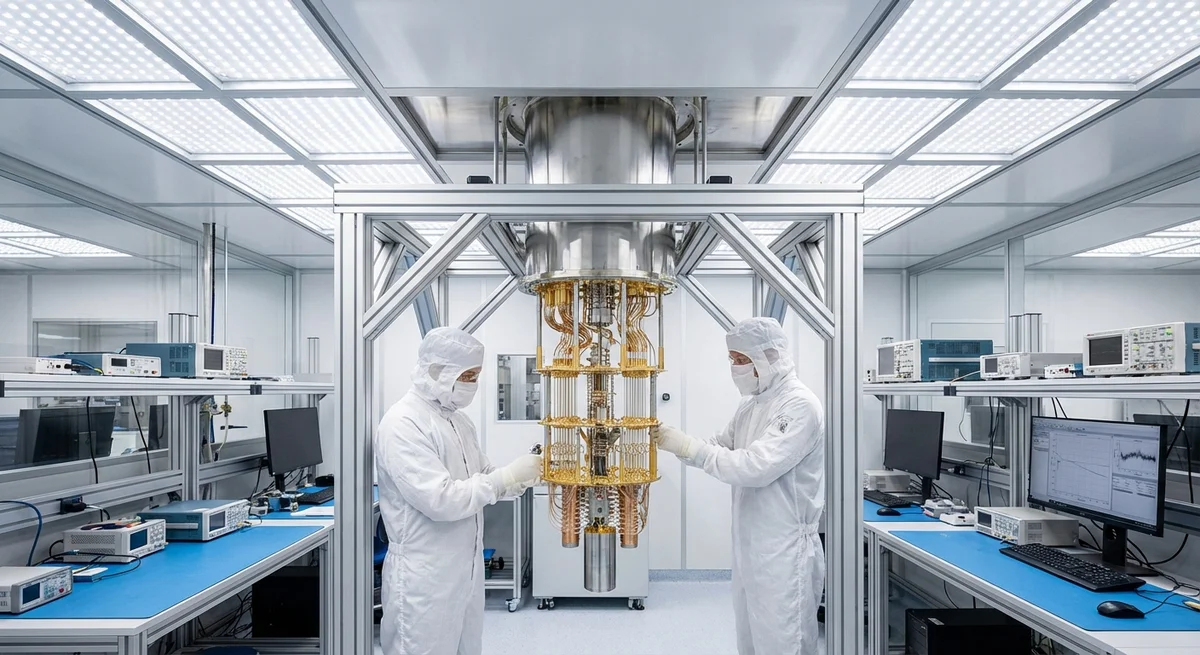
A shift is taking place in the world of quantum computing. Researchers from the University of Waterloo and the Institute of Quantum Computing have announced a joint effort to create the world's first open-source quantum computer. This ambitious project, being implemented through a nonprofit organization, challenges the existing paradigm where quantum development is typically conducted behind closed doors, shrouded in secrecy and substantial financial investment.
Most current quantum projects remain closed for several reasons. First, developing quantum computers is an extremely complex and costly undertaking that requires deep knowledge in physics, mathematics, and engineering. Companies and research institutions investing enormous resources in these developments seek to maintain their competitive advantage and protect their intellectual property. Second, quantum technologies are still in early stages of development, and many companies are hesitant to share their work until it reaches maturity.
The idea behind creating an open-source quantum computer is to democratize access to quantum technologies and foster innovation in this field. Open-source code will allow scientists, engineers, and enthusiasts from around the world to study, modify, and improve the architecture and software of the quantum computer. This could accelerate the pace of quantum computing development and lead to new, breakthrough applications.
However, the open-source approach carries its own risks. First, openness could make the quantum computer more vulnerable to cyberattacks. Second, competitors could use the open code to create their own quantum computers, which could reduce the developers' competitive advantage. Nevertheless, open-source advocates believe that the benefits outweigh the risks.
What implications could this have for the industry? An open quantum computer could serve as a catalyst for developing new quantum algorithms and applications. It could also contribute to training qualified specialists in quantum computing. Furthermore, open code could enhance transparency and trust in quantum technologies.
In conclusion, the development of the world's first open-source quantum computer is a bold and promising step that could transform the landscape of quantum computing. Although risks exist, the potential benefits for science, industry, and society as a whole are enormous. We hope that this project will be successful and pave the way toward a more open and accessible future for quantum technologies.
Want to stop reading about AI and start using it?
AI News is a curated feed of AI/tech news. Hamidun Academy teaches you to use AI systematically in your work.