OpenAI adapts its models to the Pentagon's needs
OpenAI officially confirmed it has reached an agreement with the Pentagon on using its models for defense purposes. The decision followed a prolonged conflict b
AI-processed from 3DNews AI; edited by Hamidun News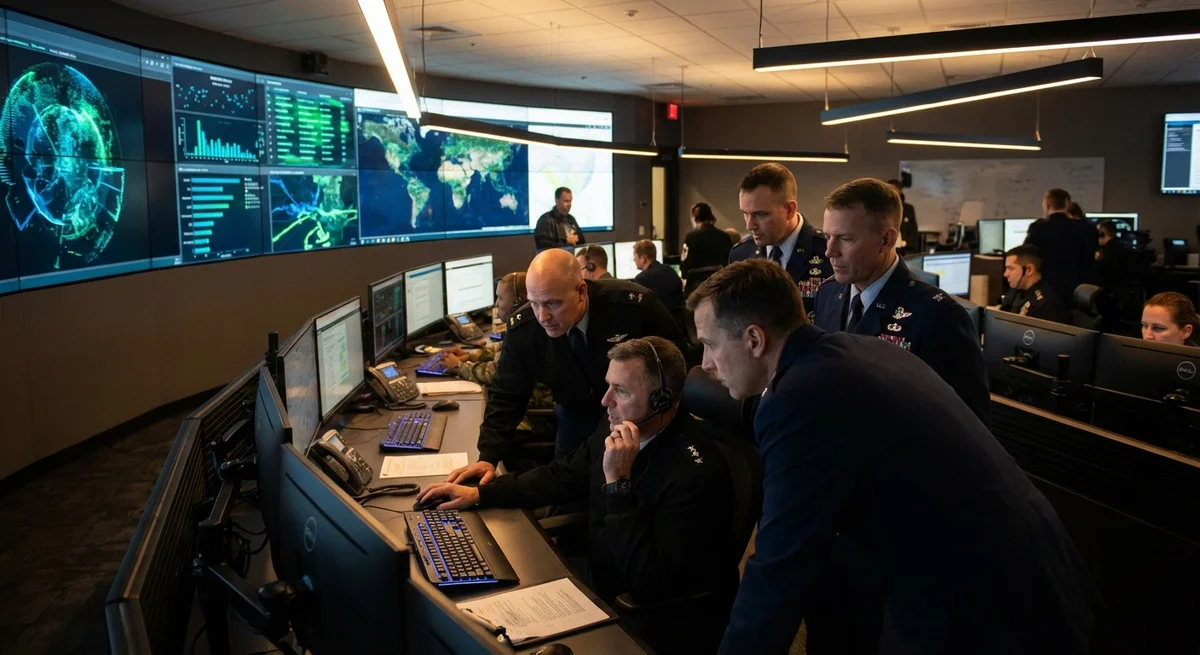
OpenAI Adapts Its Models for Pentagon Needs
On Friday evening, OpenAI CEO Sam Altman officially confirmed the achievement of an agreement with the U.S. Department of Defense (Pentagon) on the use of the company's advanced neural network models for defense purposes. This decision marks an important stage in the integration of artificial intelligence into the structure of American armed forces and occurs against the backdrop of ongoing debates about the ethical aspects of applying such technologies in the military sphere. The event also highlights the growing significance of OpenAI as a key player in the government contracts market, offering solutions that can be adapted to the specific and often stringent requirements of the defense department.
The prerequisites for this agreement were lengthy and tense discussions between the leadership of the startup Anthropic, creator of the popular language model Claude, and the American military department. Representatives of Anthropic repeatedly expressed serious concerns about the potential uncontrolled or unethical application of the technologies they develop in the armed forces. These concerns addressed not only security issues, but also broader ethical dilemmas associated with autonomous weapons systems and the role of AI in decision-making that may affect human lives. Unlike Anthropic, OpenAI apparently took a more pragmatic position, demonstrating readiness for dialogue and adapting its products to the needs of the Pentagon, which led to the conclusion of this agreement.
Sam Altman, commenting on the agreement, emphasized OpenAI's readiness to adapt its advanced AI solutions to the specific requirements of the U.S. Department of Defense.
This means that the company not only provides access to its existing models, but is also prepared to modify and configure them for performing specific tasks set before the American military. This approach allows the Pentagon to gain access to the most cutting-edge artificial intelligence technologies, optimized for the needs of national security. Experts in the fields of technology and defense note that such flexibility is a key factor for successful implementation of AI in such a sensitive and demanding industry.
Strengthening OpenAI's position in the government contracts market is likely to contribute to further development of the company and its technological capabilities, as government contracts often stimulate innovation and investment in research.
The consequences of this agreement may be multifaceted. On the one hand, it opens new horizons for the application of artificial intelligence in the defense sphere, potentially increasing the efficiency, speed of decision-making, and safety of military personnel through the automation of routine tasks, analysis of large volumes of data, and support in critical situations. On the other hand, it reinforces concerns expressed by some experts and public figures regarding the militarization of artificial intelligence technologies.
Questions about control over autonomous systems, prevention of accidental escalation of conflicts, and transparency of AI use in military operations become even more urgent. While OpenAI actively pursues cooperation with the Pentagon, competitors such as Anthropic continue to conduct complex dialogue about ethical boundaries and principles of responsible AI application, which reflects fundamental disagreements in approaches to the development and use of these powerful technologies.
Thus, the agreement between OpenAI and the Pentagon is a significant event demonstrating both the rapid development of artificial intelligence technologies and their increasingly deep penetration into spheres traditionally considered to require human control and judgment. This agreement, on the one hand, strengthens OpenAI's position as a leader in the field of AI and a reliable partner for government structures, and on the other hand, poses new challenges for society and the expert community in terms of regulation and ethical understanding of AI applications in the military sphere. Further developments will show how these technologies will transform the landscape of national security and what compromises will be found between the pursuit of technological superiority and the need to ensure safety and ethics.
Want to stop reading about AI and start using it?
AI News is a curated feed of AI/tech news. Hamidun Academy teaches you to use AI systematically in your work.