Apple bets on visual intelligence as the foundation of wearables
Apple is preparing a major strategic shift in artificial intelligence. Tim Cook called Visual Intelligence — a technology for visual recognition and understandi
AI-processed from Bloomberg Tech; edited by Hamidun News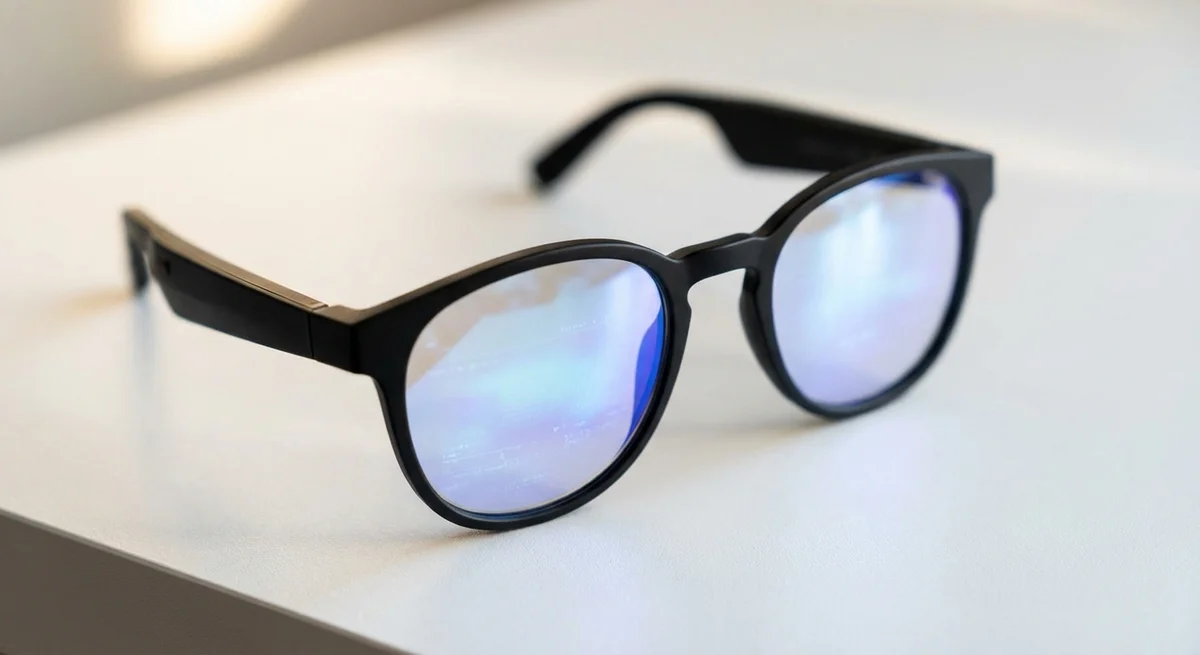
Tim Cook rarely makes bold statements about Apple's future product lineup before official presentations. But when the head of the world's most valuable company starts publicly setting priorities, the industry listens. And right now his message is crystal clear: Visual Intelligence will become the defining technology for Apple's next generation of wearable devices.
In Cupertino, Visual Intelligence is understood not as simply recognizing objects in photographs. It's about a comprehensive system that analyzes in real-time what the device's camera sees — whether it's an iPhone, next-generation Apple Watch, or the long-awaited mixed reality glasses. The technology first appeared in iPhone 16 as a relatively modest feature: point the camera at a restaurant — get reviews, photograph a plant — learn its name. But what Cook is describing goes far beyond these demonstrations. This is AI that continuously perceives the surrounding world and helps the user interact with it on an entirely new level.
The context of this announcement is just as important as its content. Apple has long been perceived as a company that missed the generative artificial intelligence train. While OpenAI, Google, and Microsoft competed in creating increasingly powerful language models, Apple methodically built its own strategy, which fundamentally differs from competitors. Rather than chasing chatbots and text generation, the company focused on what it does best — integrating software with hardware. Visual Intelligence is precisely such integration: neural network models optimized for Apple's own chips, working with data from Apple's own cameras and sensors, within Apple's own ecosystem of devices.
Technically, this means a tremendous load on edge computing — processing data directly on the device without constant cloud connectivity. Apple has been investing in the Neural Engine within its A and M series processors for several years, and Visual Intelligence could become the first truly mass-market application of this power. For wearable devices, this is especially critical: glasses or watches cannot afford a delay of several seconds to reach a server when the user expects an instant response to what's happening right in front of them.
Cook's statement coincides with preparations for the first wave of product announcements in 2026, scheduled for the week of March 2. Among expected innovations are details about iPhone 18 Pro, including new color options, and an iOS 26.4 update that will likely expand Visual Intelligence capabilities for current devices. But the main intrigue is tied to wearable devices. Rumors about Apple "smart" glasses have persisted for years, and Vision Pro, for all its technological ambition, never became a mass-market product. Visual Intelligence as a key feature could prove to be exactly the missing element that turns an experimental gadget into an everyday tool.
For the industry as a whole, Apple's pivot toward visual AI has serious consequences. First, it legitimizes an entire direction that until now has been associated primarily with niche projects like Ray-Ban Meta or the failed Google Glass. When Apple enters a segment, it stops being experimental.
Second, it creates pressure on competitors — Google, Samsung, Meta — who will have to respond not only with model quality but with the depth of hardware integration. Third, and perhaps most importantly, it raises acute privacy questions. A device that constantly "sees" and analyzes the surrounding world is a dream and a nightmare simultaneously.
Apple traditionally builds its marketing on user data protection, but Visual Intelligence in wearable devices will test these promises more rigorously than ever before.
Apple's strategy is becoming increasingly clear: the company is not attempting to create the best chatbot or the most powerful language model. It is building AI that seamlessly integrates into physical reality through devices that people wear every day. If Cook is right and Visual Intelligence truly becomes the defining feature of Apple's next generation of products, we are witnessing not just another product cycle, but a fundamental shift in how the world's largest technology company understands the future of artificial intelligence. Not in the cloud, not in chat — but right in front of the user's eyes, literally.
Want to stop reading about AI and start using it?
AI News is a curated feed of AI/tech news. Hamidun Academy teaches you to use AI systematically in your work.