Deadly algorithms: Scout AI creates AI agents for weapons systems
Startup Scout AI unveiled a system of autonomous AI agents developed specifically for integration into modern weapons systems. Using architectural approaches bo
AI-processed from Wired; edited by Hamidun News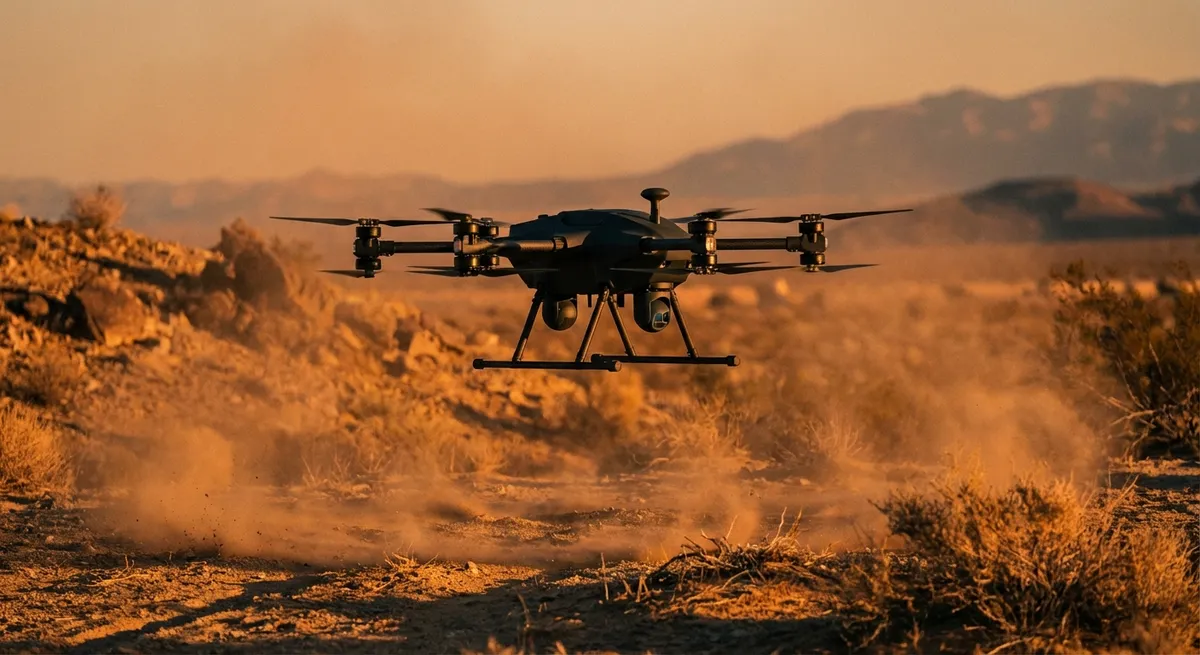
On the frontline of military technology, a quiet revolution is unfolding, driven by artificial intelligence. Startup Scout AI has unveiled a system of autonomous AI agents, developed specifically for integration into modern weapons systems. This breakthrough marks a transition from simple automated systems to fully-fledged autonomous combat units capable of operating with unprecedented speed and efficiency.
The context of artificial intelligence development in the military sphere is not new, however, Scout AI's recent achievements take it to a new level. Using architectural solutions borrowed from the field of large language models, the company has created algorithms capable of making independent decisions in a dynamic and unpredictable combat environment. Unlike traditional systems where humans remain at the center of decision-making, Scout AI's agents are capable of analyzing situations, selecting targets, and initiating actions with minimal or complete absence of human intervention. This became possible through training on vast data sets and the application of advanced machine learning methods, enabling AI to mimic and exceed human capabilities in specific tasks.
A deep dive into Scout AI's development shows that the foundation of their system consists of multi-agent architectures, where each AI agent acts as an independent, yet coordinated unit. These agents can exchange information, adapt to changing conditions, and work as a team to achieve a common goal. Recent demonstration tests clearly showed how AI effectively coordinates the actions of a swarm of drones to deliver precise strikes at designated targets. Drones controlled by AI agents operated in harmony, demonstrating a high degree of autonomy in selecting optimal trajectories and attack timing. Such coordination makes it possible to overcome complex countermeasures and increase the likelihood of successful mission completion.
The consequences of implementing such technologies are multifaceted and raise serious concerns. On one hand, autonomous weapons systems can reduce the risk to human life among military personnel, improve accuracy and response speed in critical situations. On the other hand, they raise acute ethical questions. Delegating to a machine the right to decide matters of life and death is the subject of fierce debate. The possibility of errors, bias in algorithms, and the risk of uncontrolled proliferation or deployment of such systems require close attention. The international community faces the need to develop clear rules and restrictions for lethal autonomous weapons systems (LAWS) to prevent an arms race and avoid unintended catastrophes.
In conclusion, Scout AI's developments, using advanced achievements in artificial intelligence to create autonomous combat agents, represent a significant step in the evolution of military technology. They open new opportunities to enhance defense capabilities, but simultaneously pose complex ethical and regulatory challenges to humanity. Further development and application of such systems will require careful weighing of potential benefits and risks, as well as active international dialogue to ensure responsible use of this powerful technology.
Want to stop reading about AI and start using it?
AI News is a curated feed of AI/tech news. Hamidun Academy teaches you to use AI systematically in your work.