Google DeepMind introduced Lyria 3 for creating music from photos
Google DeepMind has announced Lyria 3, its most advanced music generation model. Unlike previous iterations, Lyria 3 demonstrates a deep understanding of comple
AI-processed from MarkTechPost; edited by Hamidun News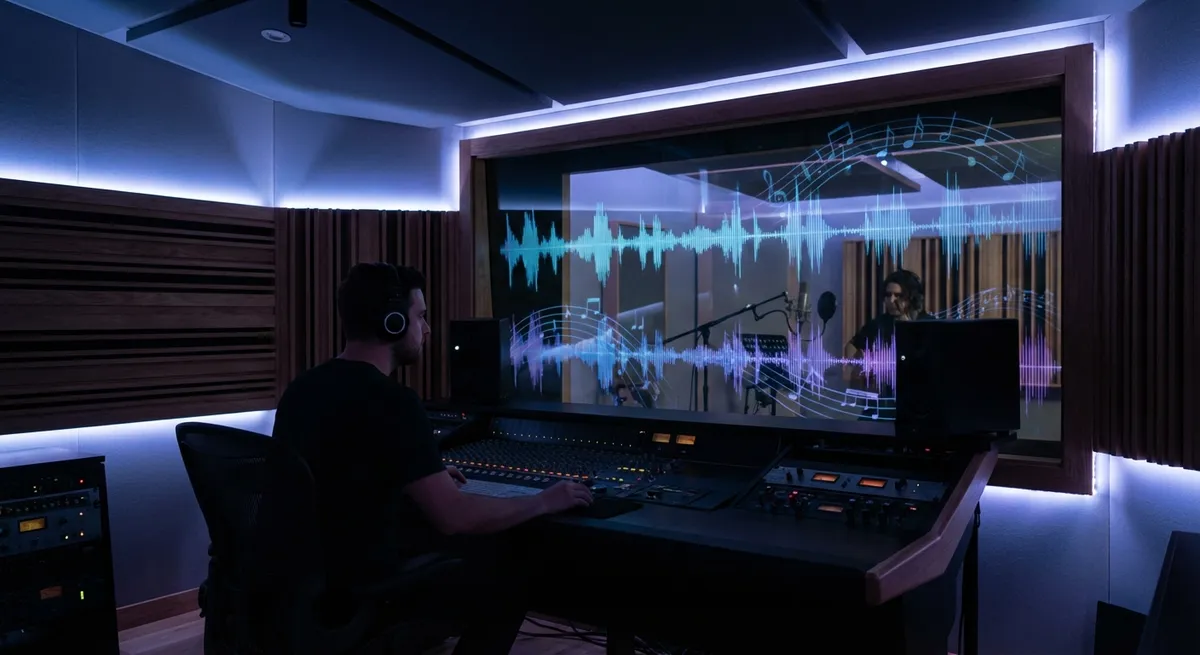
Google DeepMind has introduced Lyria 3 — its most advanced music generation model, which represents a significant step forward in the field of artificial intelligence capable of creating musical works. Unlike previous iterations, Lyria 3 demonstrates a deep understanding of complex audio waves and creative intent, opening new horizons for musicians and content creators.
Historically, music creation has been the prerogative of humans, requiring deep knowledge of music theory, mastery of instruments, and a developed ear. However, with the emergence of generative AI models, this process is becoming more accessible. Google DeepMind, a leader in AI research, continues to expand the boundaries of what is possible. Lyria 3 is the culmination of their efforts in this field — a model that not only generates sounds but also strives to capture the essence of creative intent.
A key feature of Lyria 3 is its multimodality. This means the model is capable of working with various types of input data. Now, in addition to traditional text descriptions, it can generate custom musical tracks based on visual imagery, such as photographs. Imagine the ability to create musical accompaniment that perfectly matches the mood and aesthetics of a particular image. Lyria 3 automatically creates a complete arrangement, composes song lyrics—a non-trivial task for AI—and synthesizes realistic vocals. It is a comprehensive solution that encompasses all aspects of creating a musical track, from melody to lyrics and performance.
The latest release from Google DeepMind strengthens the company's position in the fast-growing creative AI segment. Lyria 3 offers powerful and intuitive tools that can significantly streamline the workflow for professional musicians, producers, as well as for amateurs and content creators who need unique musical accompaniment for their projects. The ability to combine visual and audio art in a single workflow opens doors to innovative forms of creativity, where image and sound are inextricably linked.
In conclusion, Lyria 3 from Google DeepMind represents a significant breakthrough in AI-powered music generation. Its ability to understand complex audio waves, interpret visual imagery, and create complete musical compositions with lyrics and vocals makes it one of the most promising tools for the future of music production and the creative industry as a whole. This step forward underscores the growing role of AI as a partner in the creative process, expanding human capabilities and making music creation more accessible and diverse.
Want to stop reading about AI and start using it?
AI News is a curated feed of AI/tech news. Hamidun Academy teaches you to use AI systematically in your work.