Meta buys millions of Nvidia chips to expand AI infrastructure
Meta has signed a multiyear agreement with Nvidia for the supply of millions of chips, including Grace and Vera CPUs as well as Blackwell and Rubin GPUs. It…
AI-processed from The Verge; edited by Hamidun News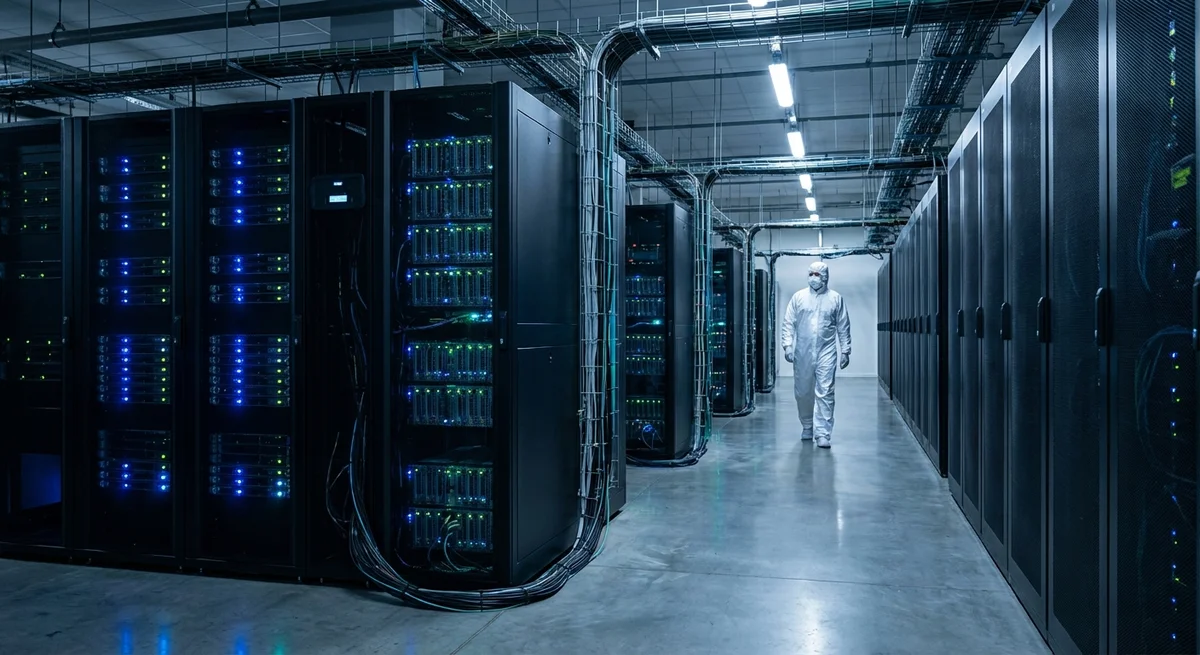
In a world of rapid artificial intelligence development, where computational power has become a key factor in progress, Meta Platforms has announced the conclusion of a multi-year agreement with Nvidia. According to recent data, Meta plans to purchase millions of advanced Nvidia chips, including Grace central processors and Vera, as well as Blackwell and Rubin graphics processors. This step is intended to significantly strengthen and expand the company's existing AI infrastructure, which forms the foundation of its ambitious projects in metaverse development, social networks, and new technology development.
The context of this large-scale acquisition lies in the steadily growing need for computational resources to train and deploy increasingly complex artificial intelligence models. Meta, like many other technology giants, is actively investing in its own AI developments, seeking to create competitive solutions. However, despite its own efforts to create specialized chips, technical difficulties and implementation timelines force the company to rely on proven, high-performance solutions from the market leader — Nvidia. This agreement marks the first case in the industry of large-scale implementation of systems based exclusively on Nvidia Grace processors. This solution promises to provide significant performance gains per watt of energy consumed, which is critical for the energy efficiency and scalability of modern data centers.
A deep dive into the agreement details shows that Meta is not simply purchasing existing solutions, but also planning the integration of next-generation chips. By 2027, Nvidia Vera processors will appear in Meta's data centers, developed for further optimization of neural network operation. This testifies to the company's long-term strategy to supply itself with cutting-edge computational resources.
In parallel, Meta continues work on its own AI chips. However, according to Financial Times reports, this internal project has encountered certain technical difficulties and implementation delays, which likely served as an additional incentive to expand cooperation with Nvidia. The integration of Grace processors, known for their energy efficiency and performance for AI tasks, will allow Meta to accelerate the development and deployment of new services, as well as increase the efficiency of existing ones.
The consequences of this agreement are multifaceted. First, it underscores Nvidia's dominant position in the AI chip market, despite growing competition from manufacturers such as AMD and major players' own developments. Second, Meta's decision demonstrates a pragmatic approach to meeting current and future computational power needs. The company needs to rapidly scale its AI infrastructure, and purchasing millions of ready-made chips from Nvidia is the most efficient way to achieve this goal in the short and medium term. Third, the emphasis on energy efficiency (performance per watt) points to growing industry concern about sustainable development and reducing operational costs.
In conclusion, Meta's multi-million chip purchase from Nvidia is a landmark event reflecting the dynamics of the artificial intelligence industry development. This agreement will not only strengthen Nvidia's position but also allow Meta to accelerate its ambitious AI projects, while continuing work on its own technologies. The balance between using third-party solutions and internal development will likely become a determining factor for the success of technology companies in the coming years, as the need for powerful and energy-efficient computing systems will only grow.
Want to stop reading about AI and start using it?
AI News is a curated feed of AI/tech news. Hamidun Academy teaches you to use AI systematically in your work.