Samsung shifts to AI advertising: new Galaxy spots created by neural networks
Samsung is expanding its use of generative AI, integrating it into marketing campaigns for YouTube, Instagram, and TikTok. A recent teaser for the Galaxy S26 se
AI-processed from The Verge; edited by Hamidun News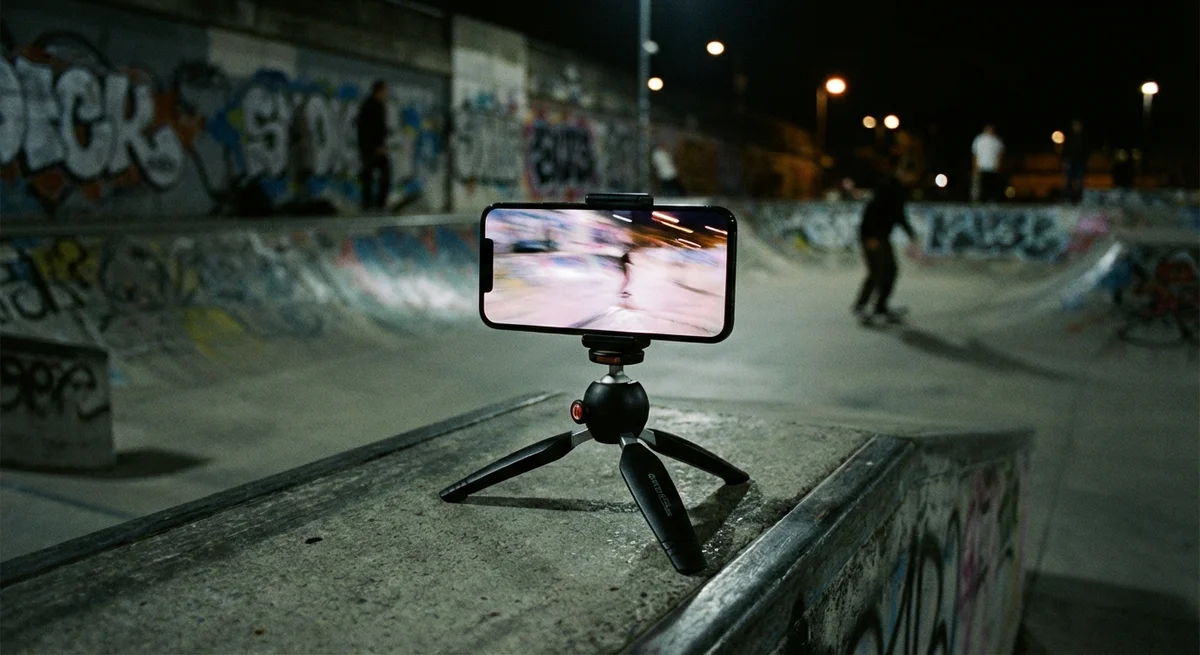
Samsung Transitions to AI Advertising: New Galaxy Videos Created by Neural Networks
Samsung, one of the world's leading electronics manufacturers, is actively expanding the use of generative artificial intelligence, integrating it into its marketing campaigns. A recent teaser for the new Galaxy S26 smartphone line, titled "Brighten your after hours," was entirely created using neural networks, as confirmed by a disclaimer at the end of the video. This step marks a new era in advertising content creation, where AI becomes not just a tool, but a full-fledged author.
Context: AI Across All Aspects of Samsung's Life
In recent years, Samsung has consistently implemented artificial intelligence features across its entire product line. From smartphones and tablets to household appliances such as refrigerators and washing machines, AI has become an integral part of the user experience. Now this trend is extending to marketing communications. Recent videos published on Samsung's official channels on YouTube, Instagram, and TikTok were created or edited using generative AI tools. The Galaxy S26 teaser, demonstrating low-light photography capabilities, is a striking example of this new strategy.
Deep Dive: "Brighten your after hours" and Its AI Creators
The video "Brighten your after hours" is designed to demonstrate the superior low-light photography capabilities of the upcoming Galaxy S26 smartphones. The video shows two people skateboarding at night, and according to the creators' intent, it should emphasize how new devices will be able to capture bright moments even in darkness. However, as it turns out, all of the visual content and possibly the scenario were generated by neural networks. At the end of the video, small text appears notifying viewers that the video was "generated using AI." This fact raises questions among experts and consumers about the transparency and honesty of such advertising.
Consequences: Ethical Dilemmas and Brand Perception
The use of AI to create advertising content raises a number of ethical questions. First, there is the issue of authenticity: how honest is it to present machine-generated content as a demonstration of actual product capabilities? Viewers may feel deceived if expectations formed by AI advertising do not match the real experience of using the device. Second, this may affect the perception of the Samsung brand. A company that has previously faced criticism for aggressively implementing AI features now risks being accused of insincerity and manipulation. On the other hand, Samsung may view this as a way to demonstrate advanced technologies, including AI capabilities that they themselves integrate into their products.
Conclusion: The Future of AI Marketing
Samsung's transition to AI advertising is a landmark step that likely presages wider use of generative AI in marketing across the industry. Companies face the need to balance innovation, creativity, and ethical standards. Transparency regarding the use of AI becomes a key factor in maintaining consumer trust. The future of advertising campaigns created by AI will depend on how brands can integrate these technologies while maintaining authenticity and honesty with their audience.
Want to stop reading about AI and start using it?
AI News is a curated feed of AI/tech news. Hamidun Academy teaches you to use AI systematically in your work.