Pentagon threatens Anthropic with sanctions over ban on military AI use
US Defense Secretary Pete Hegseth is considering cutting ties with startup Anthropic. The dispute stems from the company’s strict policy banning use of the Clau
AI-processed from 3DNews AI; edited by Hamidun News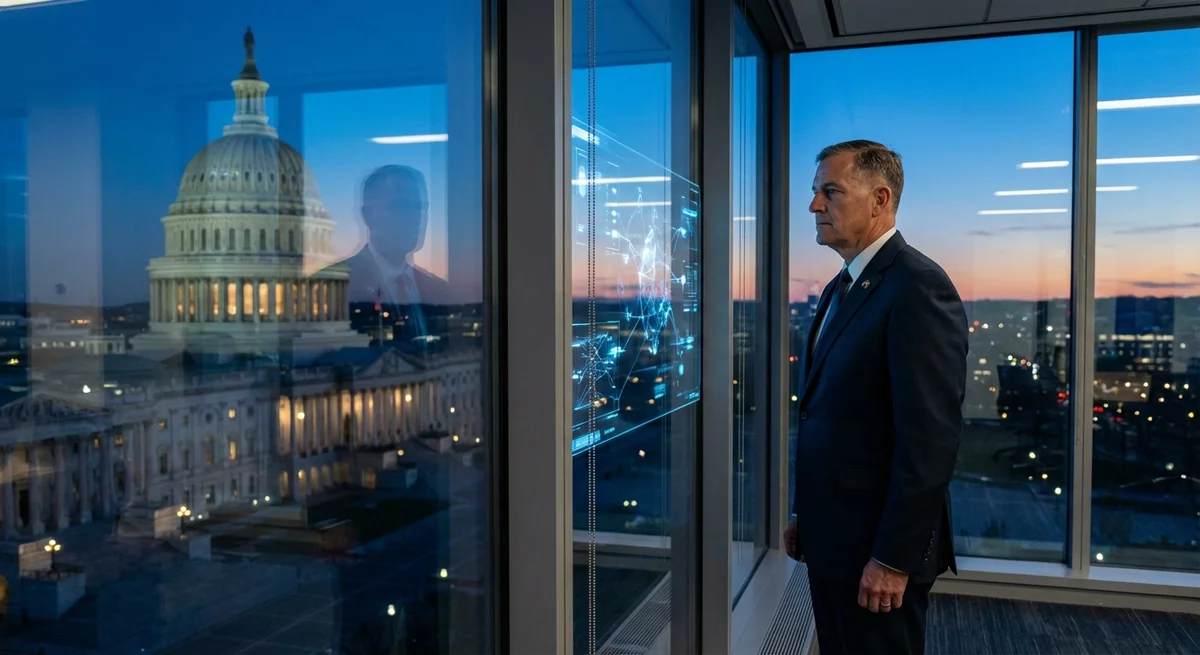
The Pentagon is threatening sanctions against startup Anthropic due to the company's policy prohibiting the use of its advanced artificial intelligence developments for military purposes, in particular for creating autonomous weapons and conducting surveillance. U.S. Secretary of Defense Pete Hegseth is considering the possibility of severing business relations with the company, which could have far-reaching consequences for its future.
The situation surrounding Anthropic is a vivid reflection of the growing tension between the ethical principles that guide Silicon Valley technology companies and the pragmatic national security requirements put forward by the defense department. Anthropic, founded by former OpenAI employees, has positioned itself from the outset as a company committed to safe and ethical artificial intelligence development. One of the cornerstones of its policy is a prohibition on using its Claude language model for developing weapons capable of acting autonomously, as well as for systems designed for surveillance and control of people. This approach reflects the company's deep concern about potential misuse of powerful AI technologies and its desire to prevent their use for destructive purposes.
However, for the Pentagon, whose primary mission is to ensure national defense and security, such a position by the startup appears to be an obstacle. According to sources close to the department, the Pentagon may apply to Anthropic the status of "supply chain threat." This measure is extremely serious and would effectively block developers from access to government contracts. Moreover, it would require other Pentagon contractors who currently collaborate with Anthropic or use its technologies to cease any business relations with the company. This could lead to significant financial and reputational losses for the startup, which, despite its youth, has already managed to attract the attention of major investors and conclude a number of important partnerships.
The consequences of such a step by the Pentagon could be quite significant. For Anthropic, this means not only the loss of potential government orders, but also a serious limitation in the development and scaling of its technologies. If other companies working with the defense department are forced to abandon cooperation, this could create a domino effect, isolating Anthropic from part of the technology market.
For the Pentagon itself, though aimed at ensuring security, such a decision could mean missing out on access to cutting-edge AI developments that could be used to strengthen defense capabilities. It also raises questions about the defense department's ability to attract companies with high ethical standards to collaborate when those standards conflict with military tasks.
Thus, the conflict between the Pentagon and Anthropic highlights the fundamental challenges facing modern society at the intersection of technological progress and questions of ethics, security, and national defense. It remains unclear whether the parties will manage to find a compromise, or whether the confrontation will lead to irreversible consequences for one of the sides. The situation requires careful monitoring, as it may set a precedent for future relations between the defense industry and technology startups seeking responsible AI development.
Want to stop reading about AI and start using it?
AI News is a curated feed of AI/tech news. Hamidun Academy teaches you to use AI systematically in your work.