OpenAI pledges to cover energy bills and save water
OpenAI unveiled a strategy to reduce pressure on public infrastructure. The company says it will finance power-grid upgrades for its data centers itself, includ
AI-processed from The Verge; edited by Hamidun News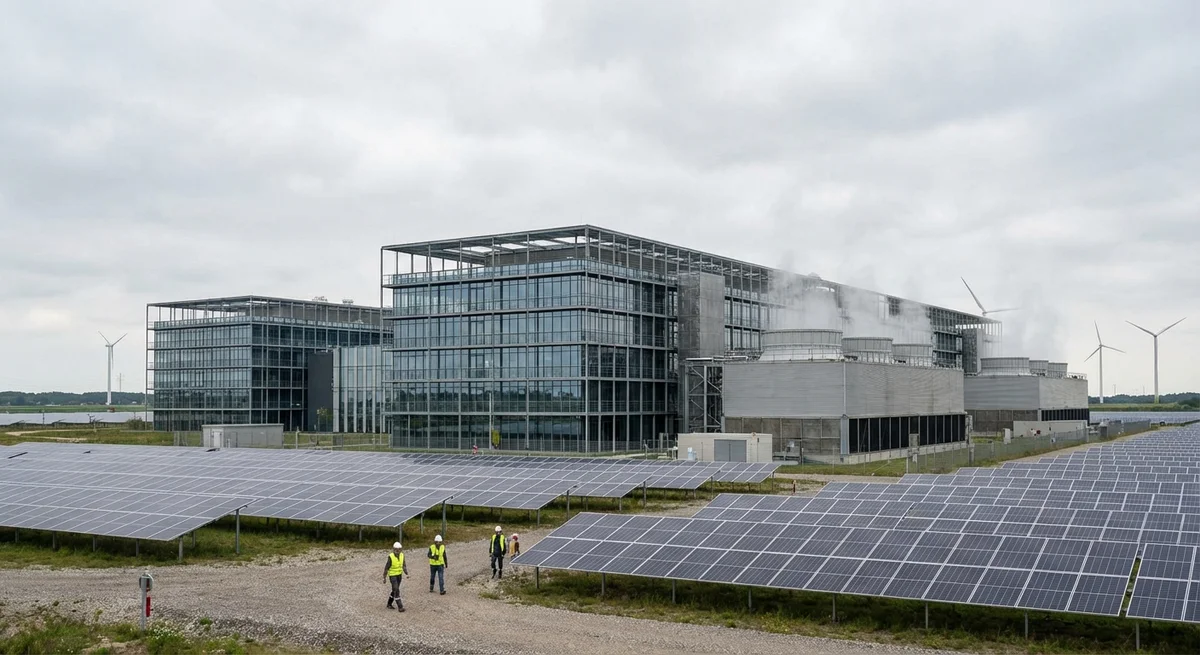
OpenAI Pledges to Pay Energy Bills and Conserve Water
In light of growing resource consumption necessary for artificial intelligence development, OpenAI announced its plans to reduce the burden on public infrastructure. According to the presented strategy, the company commits to independently financing the modernization of electrical grids required to power its data centers, including the ambitious project codenamed Stargate. This measure aims to prevent an increase in electricity tariffs for the population caused by rising demand from the AI industry. Simultaneously, OpenAI announced measures to significantly reduce water consumption used for server cooling, which is also one of the acute environmental problems associated with large-scale computing centers.
The context of this initiative lies in growing criticism directed at the artificial intelligence industry. The enormous appetite for energy resources and water needed to train and operate complex AI models raises serious concerns among environmentalists, local communities, and regulators worldwide. In particular, the construction of new data centers often faces resistance due to the potential strain on existing electrical grids and water resources, which could lead to increased utility bills for residents and negatively impact the environment. OpenAI, recognizing this problem, seeks to demonstrate its responsibility and position itself as a "good neighbor," minimizing the negative impact of its operations.
In a deep dive into the issue, OpenAI stated its intention to "pay its own way" regarding energy consumption. This means the company is prepared to bear the costs associated with increasing capacity and modernizing local electrical grids to ensure stable and reliable power supply for its data centers, without shifting these costs to end consumers. Specific plans may include both direct investments in upgrading existing infrastructure and seeking its own energy sources, for example, through long-term contracts for renewable energy supply or even developing its own energy projects. As for water consumption, the company promises to implement advanced technologies to significantly reduce it, although specific details of these technologies have not yet been disclosed.
The consequences of such a policy could be quite significant. First, it could set a precedent for other major AI players, prompting them to also take responsibility for infrastructure costs and environmental footprint. Second, it could contribute to more balanced development of the AI industry, where growth in computing power will be accompanied by adequate investments in infrastructure and environmental protection. Third, it could improve public perception of AI, reducing tensions between technology giants and local communities concerned about potential negative consequences of their operations. The Stargate project, being one of the largest envisioned data centers, becomes a litmus test for these intentions.
In conclusion, OpenAI's statement of willingness to pay for energy infrastructure expenses and reduce water consumption represents an important step toward more sustainable AI development. While the details of implementing these promises remain somewhat unclear, the company's very willingness to acknowledge and address these issues deserves attention. This demonstrates an understanding that technological progress should not come at the expense of society and the environment, and that leading companies bear responsibility for minimizing their impact, becoming truly integrated and responsible members of the communities in which they operate.
Want to stop reading about AI and start using it?
AI News is a curated feed of AI/tech news. Hamidun Academy teaches you to use AI systematically in your work.