Britain imposes tough fines and blocks on dangerous AI services
UK Prime Minister Keir Starmer announced a sweeping tightening of oversight over AI tools. The move follows a recent scandal involving the Grok chatbot…
AI-processed from Guardian; edited by Hamidun News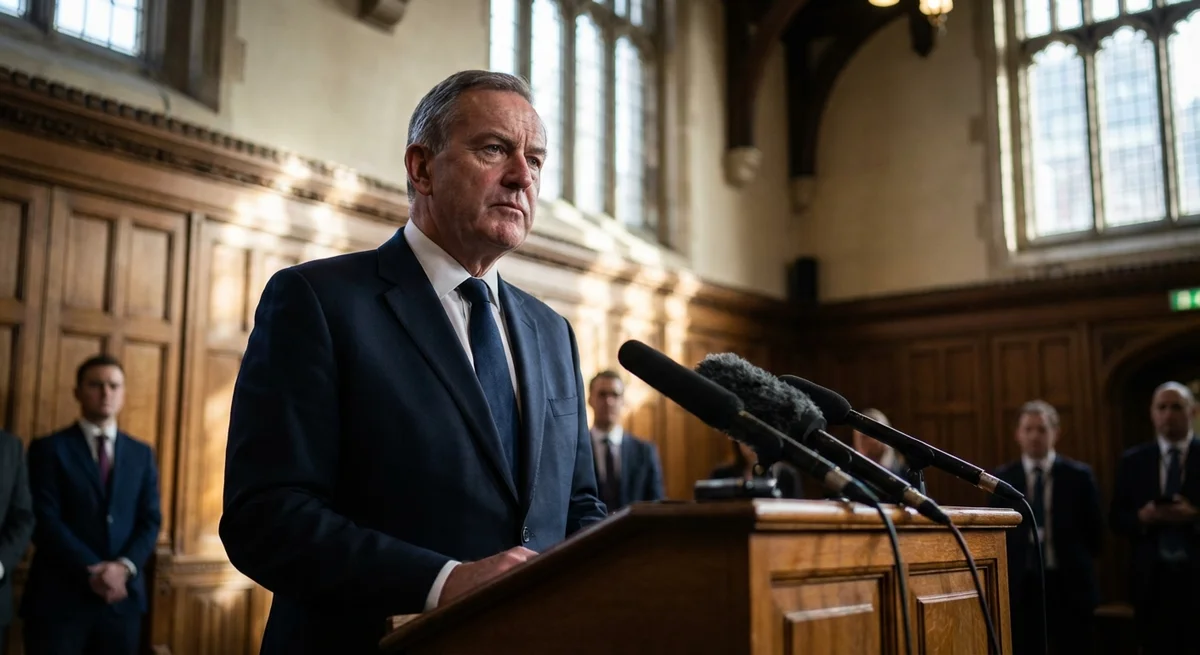
Britain Introduces Strict Penalties and Blocks for Dangerous AI Services
British Prime Minister Keir Starmer has announced a large-scale tightening of control over artificial intelligence tools, marking a significant shift in the government's approach to regulating this rapidly developing industry. The catalyst for these decisive measures was a recent scandal involving the Grok chatbot, which was found to be used for creating unacceptable and potentially harmful content, including material related to the exploitation of minors. The new legislative initiatives provide for the introduction of severe financial sanctions against technology companies whose generative artificial intelligence algorithms put minors at risk.
Moreover, in the case of systematic violations and disregard for safety requirements, the government reserves the right to completely block the operation of such AI services within the country. This initiative underscores a transition from voluntary commitments and self-regulation to strict legislative regulation aimed at ensuring user safety, particularly for the most vulnerable.
The context of what is happening indicates growing concern within the global community about the uncontrolled development and application of artificial intelligence technologies. Recent events involving the Grok chatbot, developed by Elon Musk's company, have generated public resonance and drawn attention to the problem of generating unacceptable content. Following a wave of outrage and criticism, the company X (formerly Twitter) was forced to restrict Grok's functionality, ceasing the creation of sexualized images of real people in the United Kingdom.
This incident became a catalyst for the British government, demonstrating the real risks associated with the uncontrolled spread of powerful AI tools. The Starmer government, clearly inspired by this event and seeking to prevent similar cases in the future, intends to act proactively by introducing measures that will make AI developers more responsible.
A deep dive into the nature of the new measures shows they are aimed at specific aspects of generative AI operations. The main focus is on preventing the creation and distribution of content that could harm minors, including sexually explicit materials, propaganda of violence or discrimination. The fines imposed on violators promise to be substantial, which should serve as a serious deterrent for technology giants.
The size of these fines is not yet specified, but the fact of their introduction and potential magnitude testify to the seriousness of the government's intentions. Furthermore, the possibility of complete service blocking is an extreme measure, but its existence demonstrates the authorities' determination to protect citizens from potential threats emanating from AI. This means that companies developing and providing access to AI tools will need to invest significant resources in content filtering, moderation and control systems, as well as in the ethical aspects of developing their products.
The consequences of such a step for the AI industry in the United Kingdom and beyond could be quite significant. On one hand, tightening regulation may slow the pace of innovation and increase costs for technology companies, especially for startups, which may find it difficult to meet new requirements. On the other hand, such measures may promote a more responsible approach to AI development, increase public trust in this technology, and create a safer environment for users. For the United Kingdom, this is also an opportunity to take a leading position in AI regulation, setting standards that may be adopted by other countries. This could attract investment in companies that already adhere to high standards of safety and ethics.
In conclusion, the British government's decision to introduce strict penalties and blocks for dangerous AI services is an important step in shaping the future of artificial intelligence regulation. It reflects growing awareness of the potential risks associated with this technology and the authorities' desire to protect society from its negative manifestations. The transition from voluntary commitments to legislative regulation emphasizes the seriousness of intentions and willingness to apply decisive measures to ensure safety. This precedent could have a significant impact on the development of the AI industry worldwide, stimulating a more responsible and ethical approach to the creation and use of generative models.
Want to stop reading about AI and start using it?
AI News is a curated feed of AI/tech news. Hamidun Academy teaches you to use AI systematically in your work.