Anthropic to pay for power grid modernization to avoid higher household bills
Anthropic has joined initiatives aimed at reducing AI's negative impact on the power sector. The company has committed to paying 100% of the costs of connecting
AI-processed from The Verge; edited by Hamidun News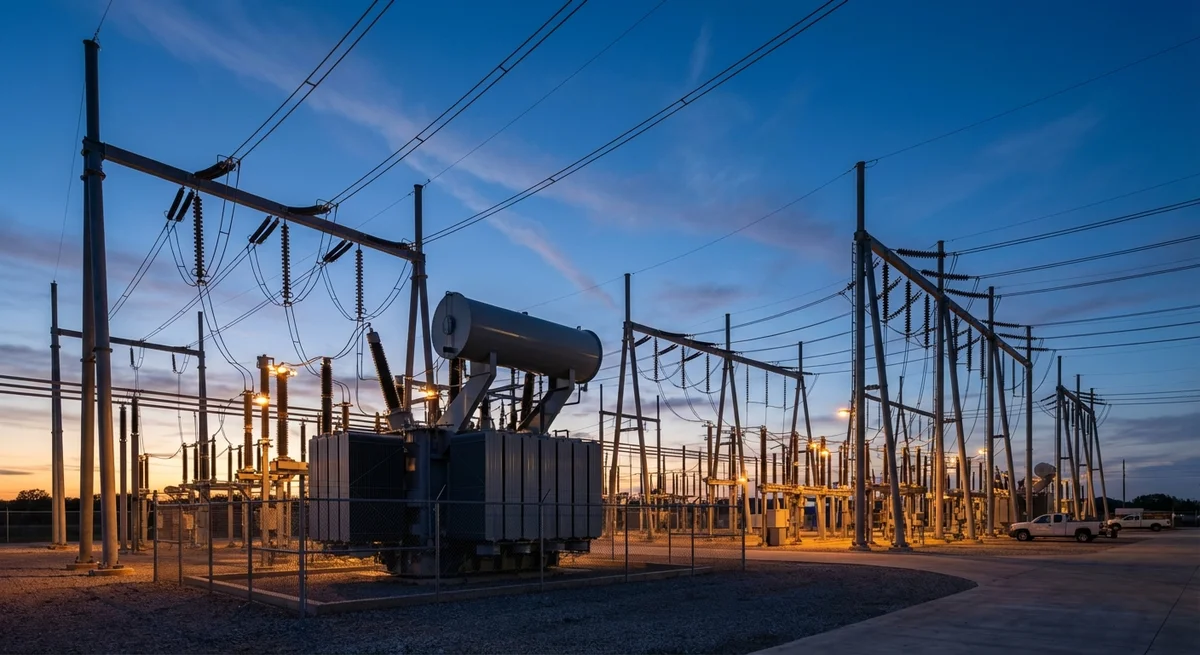
# Anthropic Pays for Power Grids to Keep Tariffs from Rising for Everyone
Artificial intelligence requires energy — and so much of it that it has begun to affect the bills of ordinary people. Anthropic, the company that developed the Claude model, has just decided to tackle this problem in an unusual way: it promises to independently pay for the modernization of power grids needed to connect its data centers. The company is willing to pay above market rates, just to prevent tariff increases for the general population. This promise sounds like a rare case where a technology giant takes responsibility for the side effects of its growth.
The problem that Anthropic is solving is quite real. When a company builds an energy-intensive data center in a region, local power grids often require serious modernization — new cables, transformers, generating capacity. Usually, these costs are distributed among all electricity consumers in the area through tariff increases. This way, families in neighboring neighborhoods unknowingly subsidize the infrastructure of large corporations. Anthropic proposes to change this scheme: the company will pay 100 percent of the costs for grid improvements from its own pocket, including the portion that traditionally falls on consumers.
This solution is especially relevant in the context of the company's grand plans. In November, Anthropic announced its intention to invest 50 billion dollars in building data centers in Texas and New York, with the prospect of expansion to other states. The scale of this project is enormous — this is one of the largest construction projects in the history of the technology industry. Without a prior agreement on cost distribution, such expansion would inevitably lead to a spike in electricity tariffs for millions of people who have nothing to do with AI computing.
Interestingly, Anthropic is not the first company with such a proposal. In essence, it is joining a trend among leading AI companies that are trying to soften criticism over energy hunger. However, the company has not disclosed details of specific agreements with electricity suppliers — it remains unclear how much this commitment is backed by legal contracts and what mechanisms will ensure its fulfillment. Will there be penalties if Anthropic reduces investments or deviates from the plan? How exactly will the amount of reimbursed expenses be determined? These questions remain unanswered for now.
Nevertheless, Anthropic's step signals a change in the AI industry's attitude toward its impact on society. Previously, the calculation was simple: the company grows, infrastructure adapts, costs are distributed — and no one particularly cared whether ordinary citizens paid for it. Now that AI's energy hunger has become obvious and is causing public debate, companies are beginning to understand that the reputational cost may be higher than the cost of honestly paying for their needs.
This does not solve the underlying problem of growing electricity consumption by the AI sector, but it demonstrates that pressure works. When technology companies see that the population and politicians are concerned about rising bills and carbon footprint, they begin to change their behavior. The question is whether such voluntary initiatives will be enough or whether stricter regulation will be needed. For now, this is a good sign — at least for those who pay for electricity.
Want to stop reading about AI and start using it?
AI News is a curated feed of AI/tech news. Hamidun Academy teaches you to use AI systematically in your work.