Smart alarm clock for $250: Will Dreamie help fix your sleep?
# A Smart Alarm Clock for $250: Can Dreamie Solve Our Sleep Problem? A smartphone on the bedside table is the main enemy of healthy sleep. We know this, but…
AI-processed from ZDNet AI; edited by Hamidun News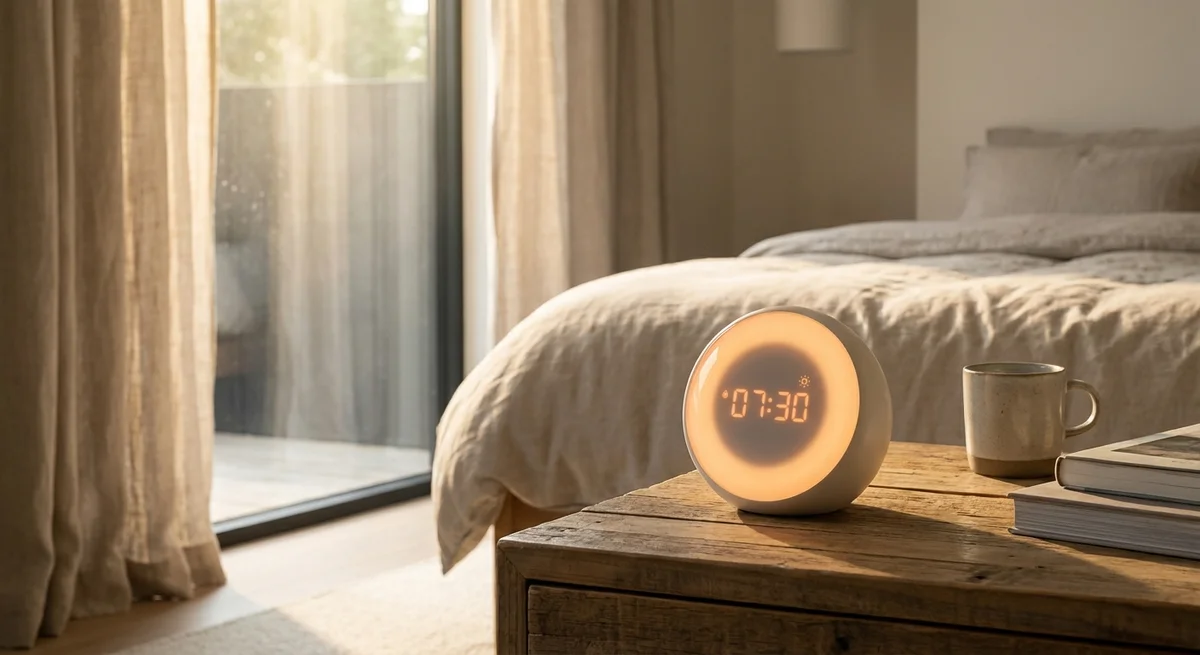
# A Smart Alarm Clock for $250: Can Dreamie Solve Our Sleep Problem?
A smartphone on the bedside table is the main enemy of healthy sleep. We know this, but we continue to place the phone next to our pillow, scrolling through social media feeds before closing our eyes. Startup Dreamie took a bold move: creating a hardware competitor to the smartphone — a premium smart alarm clock costing $250, which should convince us to turn off the screen and fall asleep properly. It's not just an alarm in the morning, but an attempt to rethink the entire ecosystem around sleep in the digital age.
The idea sounds counterintuitive: you need another gadget to get rid of another gadget. But Dreamie's developers built the device with a specific goal — to replace the smartphone in bed. Instead of a social media screen, here there's a minimalist interface focused on one task: establishing proper sleep and wake cycles. The gadget uses light therapy that mimics sunrise, built-in sound programs for relaxation, and smart sensors that track the bedroom environment. It's the first direct challenge to the smartphone ecosystem at its most vulnerable moment — before sleep.
During a week of testing, Dreamie showed noticeable results. The light alarm, gradually increasing brightness over 30 minutes before waking, truly makes getting up easier — the body doesn't experience a sharp shock from a sudden sound. Preset sound therapy programs, from white noise to nature sounds, work much more convincingly than standard meditation apps. The main achievement is the psychological effect: if the alarm sits on the nightstand instead of the smartphone, the temptation to spend an hour on social media simply disappears. This is paradoxical efficiency: a smart gadget defeats a dumb screen by distracting from it.
Measurable metrics also point to improvement. Dreamie's sensors track temperature, humidity, and sound in the bedroom, suggesting ways to adjust sleep conditions. After a week of use, experts noted a shift toward more stable circadian rhythms — the body began preparing for sleep earlier, falling asleep faster. It's not a revolution, but reliable improvement in an area critical to health.
However, the $250 price makes Dreamie a niche product. For comparison: a good sunrise-mimicking lamp costs $50-100, and similar functions exist in dozens of apps. Dreamie sells not functionality, but philosophy — rejecting the smartphone before sleep. This is a very niche value, though growing: the "digital detox" market is expanding as people recognize the scope of the sleep problem.
Dreamie's long-term success depends on whether the company can turn a niche into a trend. The device works, but it doesn't perform miracles. It provides a tool; the rest depends on the user. For now, Dreamie remains a solution for those willing to pay a premium for the ability to sleep again the old way — without the blue light of a screen in their face. In a world where smartphones have taken over all aspects of our lives, this is a small but important step in the opposite direction.
Want to stop reading about AI and start using it?
AI News is a curated feed of AI/tech news. Hamidun Academy teaches you to use AI systematically in your work.