Диффузионные модели: глубокий анализ и перспективы развития
Диффузионные модели – это класс генеративных моделей, которые произвели революцию в области искусственного интеллекта. Они работают путем постепенного добавлени
AI-processed from Jiqizhixin (机器之心); edited by Hamidun News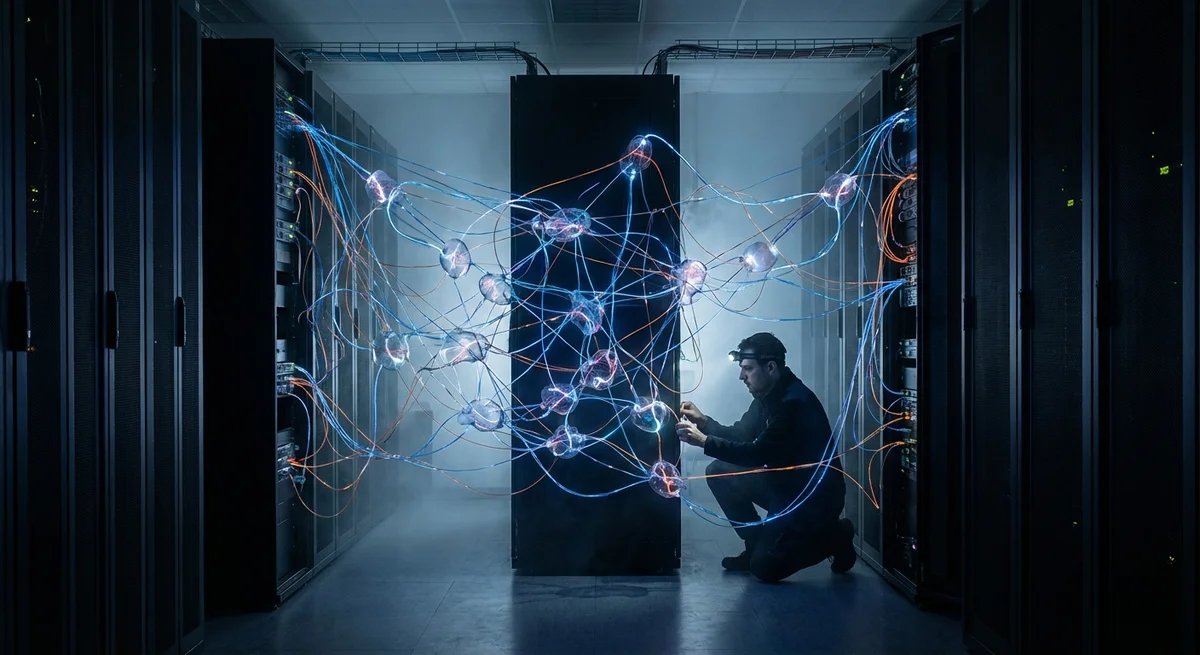
Diffusion Models: Deep Analysis and Development Perspectives
Diffusion models have become one of the most exciting directions in generative artificial intelligence over the past few years. From creating photorealistic images to generating convincing audio and video, these models demonstrate impressive capabilities. But what are diffusion models and why are they so important?
At the core of diffusion models lies a process of gradually adding noise to data until it transforms into random noise. The model is then trained to reverse this process, recovering the original data from noise. This process can be imagined as "blurring" an image into a state of chaos and then training the model to "restore" the image from that chaos.
One of the key advantages of diffusion models is their ability to generate high-quality and diverse results. Unlike other generative models, such as generative adversarial networks (GANs), diffusion models are typically more stable during training and less prone to model collapse. This means they can generate a wider range of results without getting stuck in repetitive or unrealistic samples.
However, diffusion models also have their drawbacks. One of the main ones is their computational cost. Training and using diffusion models can require significant computational resources, making them less accessible to researchers and practitioners with limited resources. Additionally, diffusion models can be slower than other generative models, especially when generating large images or video.
Despite these issues, diffusion models continue to develop rapidly. Researchers are exploring new ways to increase the efficiency and scalability of these models, as well as expanding their capabilities to solve a wider range of tasks. For example, diffusion models are being used to generate new drugs, create realistic simulations, and even improve the quality of images and video.
The impact of diffusion models on the artificial intelligence industry is enormous. They open new possibilities for creativity, automation, and scientific research. As these models become more powerful and accessible, we can expect to see their application in a wide range of fields, from art and entertainment to healthcare and science.
In conclusion, diffusion models represent a significant breakthrough in generative artificial intelligence. Although they are still in the early stages of development, their potential is enormous. As researchers continue to refine and expand these models, we can expect to see even more impressive achievements in the coming years.
Want to stop reading about AI and start using it?
AI News is a curated feed of AI/tech news. Hamidun Academy teaches you to use AI systematically in your work.