Olympics in Milan: official AI model powered by Alibaba Qwen
Международный олимпийский комитет (МОК) объявил о запуске первой официальной большой языковой модели (LLM) для Олимпийских игр, созданной на базе Alibaba Qwen.
AI-processed from 36Kr (36氪); edited by Hamidun News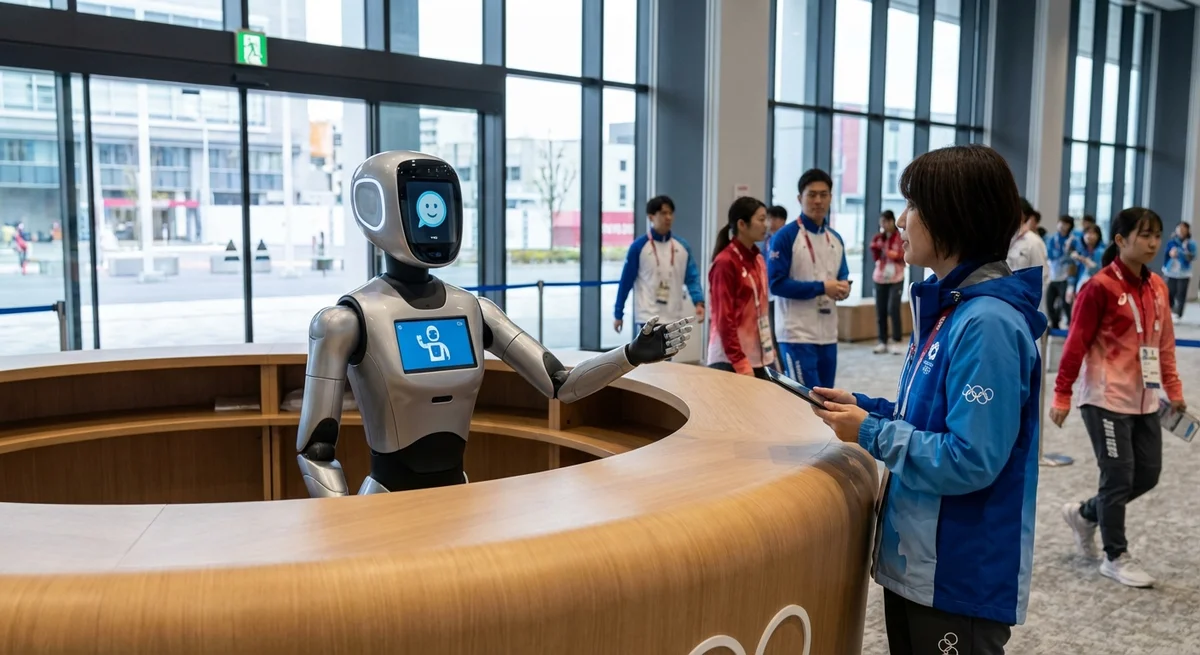
Winter Olympic Games in Milan: Official AI Model Based on Alibaba Qwen
The Winter Olympic Games in Milan promise to be not only a thrilling sporting event, but also a demonstration of cutting-edge technologies. The International Olympic Committee (IOC) has officially presented the first large language model (LLM) in the history of the Olympic Games, created based on the Alibaba Qwen platform. This step marks an important milestone in the integration of artificial intelligence into world-class sporting events.
The development of an AI model for the Olympics is a response to the growing need for efficient and timely information processing, as well as the provision of multilingual support. The Olympic Games is a complex event that requires the coordination of a huge number of people, processes, and data. The use of LLM allows automation of many routine tasks, freeing up resources for more important strategic decisions.
Alibaba Qwen is a powerful language model developed by Chinese company Alibaba Group. It is capable of understanding and generating text in different languages, answering questions, providing information, and performing other tasks that require natural language processing. Integration of Qwen into the Olympic Games infrastructure will make it possible to create an intelligent assistant that will be available to organizing committee staff, athletes, and, in the future, spectators.
Initially, the model will be used to support staff of various national Olympic committees. It will provide them with multilingual assistance, answering questions, providing information about competition schedules, rules, and other important aspects of organizing the Games. In the future, it is planned to expand the functionality of the model and make it accessible to the general public, which will allow viewers to receive personalized information and support.
The implementation of LLM at the Olympic Games opens up new opportunities for improving the experience of participants and spectators. Artificial intelligence can help solve a wide range of tasks, from automatic translation to providing personalized recommendations. This can also help increase the efficiency of organizing the Games and reduce costs.
However, it is important to consider the potential risks associated with the use of AI. It is necessary to ensure data security, prevent bias in the model's responses, and guarantee that the technology is used responsibly and ethically. The IOC should develop clear rules and standards for the use of AI at the Olympic Games to avoid negative consequences.
The Winter Olympic Games in Milan will be an important test for the new AI model. Successful implementation of this technology could set a precedent for other major sporting events and contribute to further development of artificial intelligence in the sports industry. In the future, we may see AI being used to improve athletes' performance, create new types of training, and increase viewer engagement.
Want to stop reading about AI and start using it?
AI News is a curated feed of AI/tech news. Hamidun Academy teaches you to use AI systematically in your work.