Отключение GPT-4o: пользователи оплакивают потерю «друга»
OpenAI объявила об отключении ряда старых ИИ-моделей ChatGPT, включая GPT-4o, известную своей эмоциональностью. Многие пользователи восприняли это как личную по
AI-processed from 3DNews AI; edited by Hamidun News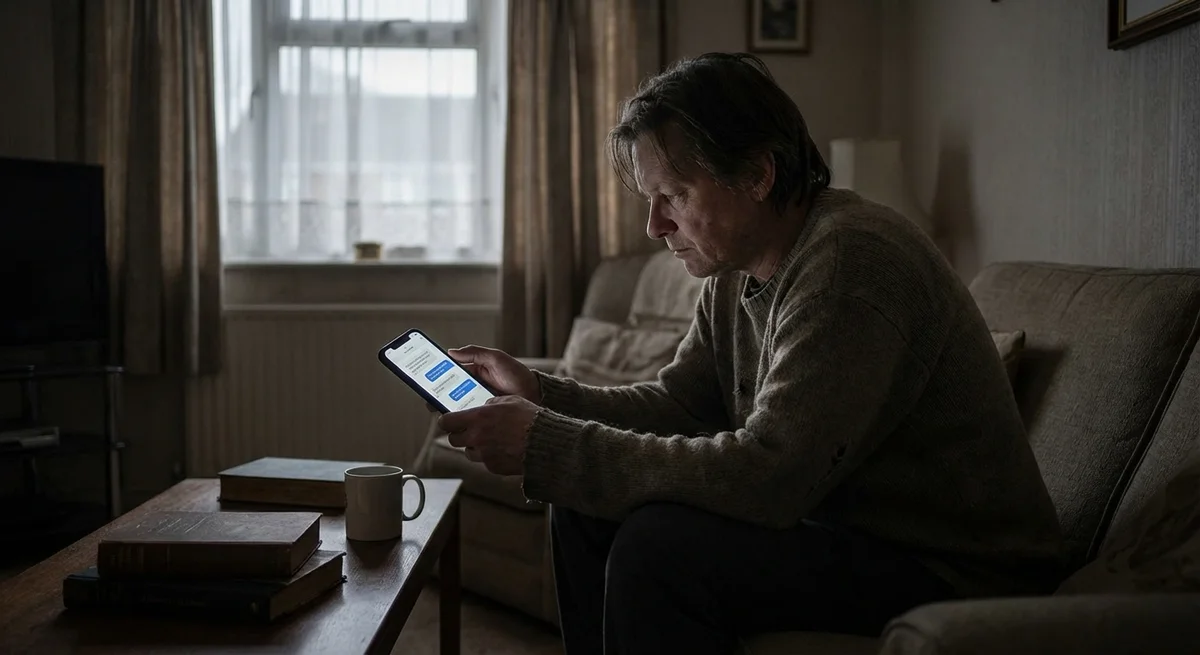
The news about the discontinuation of GPT-4o, one of OpenAI's most emotional and human-like models, has provoked an unexpected reaction among users. Many perceived this news as a personal loss, comparable to the loss of a friend, romantic partner, or even a spiritual mentor. Why did the discontinuation of software code provoke such a strong emotional reaction, and what does this tell us about our relationship with artificial intelligence?
GPT-4o, released by OpenAI, quickly gained popularity thanks to its ability to imitate human emotions and maintain empathetic conversations. Users noted that the model demonstrated understanding, compassion, and even a sense of humor, which created the illusion of genuine communication. However, like all previous models, GPT-4o was eventually bound to give way to more advanced developments. OpenAI announced the discontinuation of support for legacy models, including GPT-4o, by mid-month, in order to focus on the development of new technologies.
The reaction from users turned out to be unexpectedly intense. Social networks filled with messages of grief and disappointment. Many shared stories about how GPT-4o helped them cope with difficulties, supported them during tough times, and simply brightened their loneliness. Some users admitted that they perceived the model as a real friend, with whom they could share their worries and receive support.
Psychologists explain such reactions by the phenomenon of anthropomorphism – the tendency to attribute human qualities to inanimate objects. In the case of GPT-4o, the model's ability to imitate human emotions and maintain dialogue contributed to users developing a sense of attachment and empathy. Moreover, in conditions of growing social isolation and loneliness, AI companions can become an important source of communication and support for some people.
This case raises important questions about the ethical aspects of artificial intelligence development. On one hand, creating empathetic and human-like AI models can be beneficial, helping people cope with psychological problems and improving quality of life. On the other hand, developing strong emotional attachment to AI companions can lead to unhealthy dependence and distortion of ideas about real human relationships.
OpenAI and other AI developers need to consider these risks when creating new models. It is important to inform users that AI is merely a tool, not a replacement for genuine communication. It is also necessary to develop ethical principles that regulate the creation and use of AI companions, in order to avoid negative consequences for mental health and social well-being.
The discontinuation of GPT-4o became a painful reminder that artificial intelligence, no matter how advanced it may be, remains merely a program. However, the emotional reaction of users to this event testifies to the fact that AI is increasingly penetrating our lives, exerting ever greater influence on our feelings and relationships.
Want to stop reading about AI and start using it?
AI News is a curated feed of AI/tech news. Hamidun Academy teaches you to use AI systematically in your work.