Uprising Against Machines: How the Community Defeated the Data Center
In December of last year, the city council of Monterey Park, a small city east of Los Angeles, proposed building a massive data center the size of four…
AI-processed from Guardian; edited by Hamidun News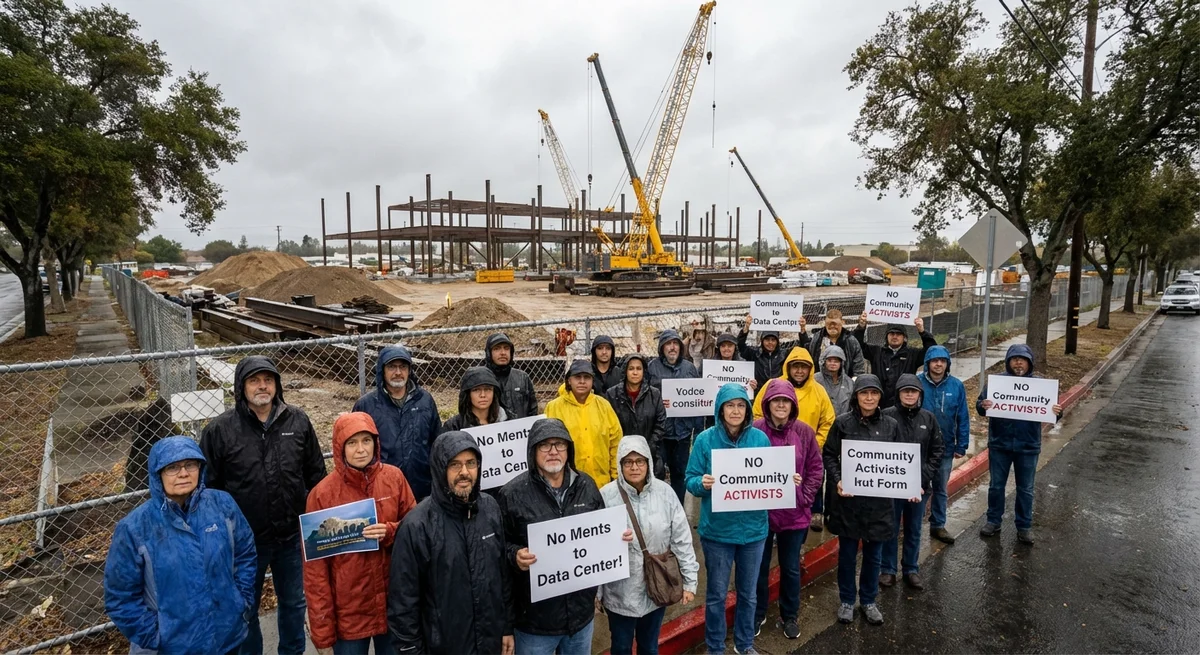
In December of last year, the city council of Monterey Park, a small city east of Los Angeles, proposed building a massive data center the size of four football fields. Five residents swore to stop the project. They could not allow the quiet suburb to transform into a site for humming servers that consumed energy and polluted the environment. Their story is an example of how community power can stand against even the most powerful corporate interests.
A small group of activists launched an intense campaign, spreading information about the proposed facility in Monterey Park, a city known as the country's first suburban Chinese quarter. Organizers from No Data Center Monterey Park, working together with the grassroots racial justice group San Gabriel Valley (SGV) Progressive Action, held educational events and rallies that attracted hundreds of participants. They knocked on doors, distributed flyers on busy streets, emphasizing how this computer center would overload the power grid, increase electricity rates, and create noise pollution. A petition quickly gathered around 5,000 signatures. All materials were distributed in English, Chinese, and Spanish—it was a coordinated effort to reach Monterey Park's diverse population, which is two-thirds Asian and one-quarter Latino.
This case is not unique. Similar protests against data center construction have swept across the country. Residents are concerned not only about noise and pollution, but also about rising electricity prices, and the potential decline in property values. Data centers, consuming enormous amounts of energy and water, are becoming increasingly visible targets for environmental activists and local communities.
The success of Monterey Park residents shows that organized resistance can be effective. Their experience can serve as an example for other communities facing similar projects. It is important to understand that data centers, while an important part of modern digital infrastructure, should not be built at any cost. It is necessary to consider the opinions of local residents and assess potential environmental and social consequences.
This story highlights growing public awareness of technology's impact on the environment and society. Data centers, often remaining in the shadows, are increasingly attracting attention as major resource consumers. In the future, we will likely see more such conflicts between technology companies and local communities defending their interests. It is important that when planning and constructing such facilities, the needs and concerns of all stakeholders be taken into account to ensure sustainable and fair development.
Want to stop reading about AI and start using it?
AI News is a curated feed of AI/tech news. Hamidun Academy teaches you to use AI systematically in your work.