OpenAI Dime: Why We'll Get Just Headphones Instead of an 'iPhone Killer
OpenAI has long been confined within a browser bar or mobile application. Sam Altman dreams of his neural networks acquiring a physical form to accompany us…
AI-processed from 36Kr (36氪); edited by Hamidun News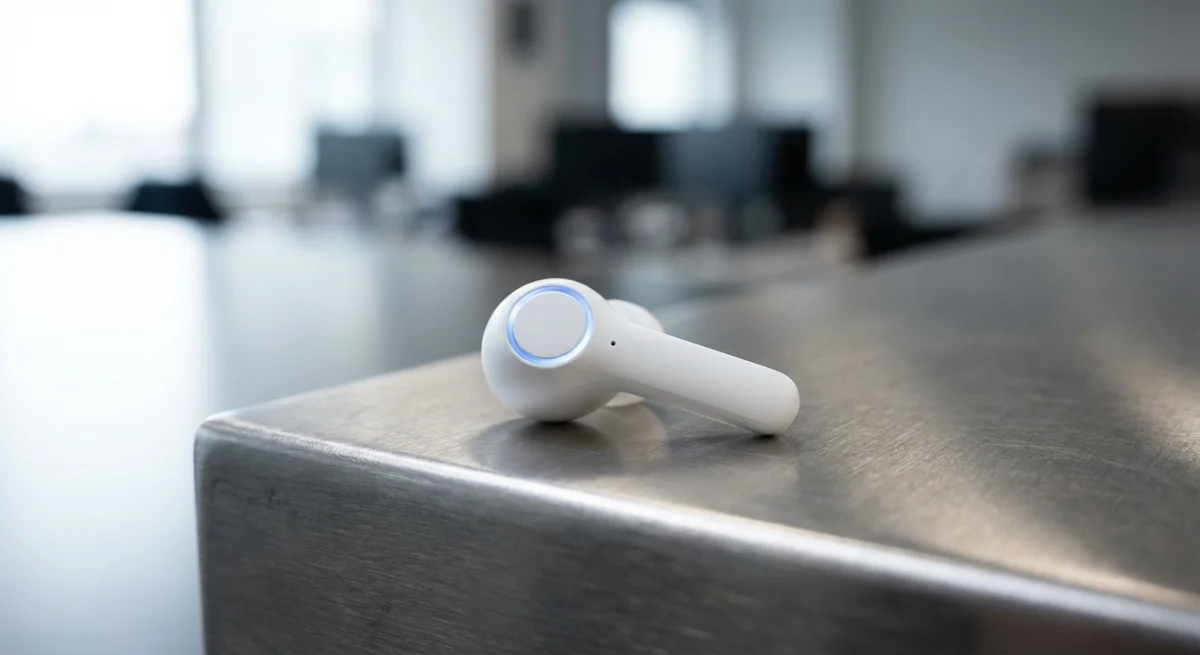
OpenAI has long been confined within a browser bar or mobile application. Sam Altman dreams of his neural networks acquiring a physical form to accompany us everywhere. For a long time, the industry buzzed with rumors about a secret project involving legendary Jony Ive — everyone expected nothing less than an "iPhone from the world of AI."
But, as often happens in the hardware world, ambitions shattered against supplier component price lists. Today, the name of the company's firstborn became known — Dime (10 cents), and this is far from the futuristic monolith we imagined. Instead of a revolutionary gadget with off-the-charts computing power, OpenAI is preparing AI earbuds, in form and essence close to Apple AirPods.
This is a classic example of strategic retreat. Initially, engineers planned to create a device with a "smartphone-like" architecture, packed with top-tier hardware and possessing its own independent power. However, the cost of materials (BOM) turned out to be so high that the project would have become economic suicide.
In conditions of memory chip shortage and general turbulence in the semiconductor market, releasing a "golden" gadget without guaranteed demand is a questionable undertaking even for Microsoft's favorites. Now OpenAI is adhering to a "simple first, then complex" strategy. Dime will become a basic audio device with deep ChatGPT integration.
Essentially, the company decided not to reinvent the wheel, but to enter the market through the most understandable and in-demand wearable form factor. Earbuds are the ideal interface for a voice assistant. You don't need to pull out your phone or look at a screen, just speak.
This is exactly what Altman is training us for by implementing advanced voice mode in GPT-4o. Why is this important right now? We've already seen attempts by other startups to create "hardware AI."
Remember the Humane AI Pin fiasco or the mixed reception of Rabbit R1. Both devices tried to replace the smartphone, but turned out to be raw and inconvenient accessories. OpenAI, apparently, carefully studied others' mistakes.
Instead of fighting iPhone on its own field, they decided to supplement the user's ecosystem with a familiar accessory. This is a safe path: if Dime doesn't "take off," the company won't lose billions developing a complex mobile platform. However, there's bad news for those who wanted to get their hands on an OpenAI gadget tomorrow.
According to updated plans, Dime will launch on the market only in 2026. Such a delay suggests that the company is still seeking balance between price and functionality. By that time, Apple will surely have released its own AirPods with full Apple Intelligence support, and OpenAI will have to enter into direct competition with the most experienced player in the earbuds market.
Whether a "10-cent" gadget can offer something more than just a convenient ChatGPT call button — that's a big question. Bottom line: OpenAI chose a path of cautious expansion, abandoning ambitions of a "smartphone killer" in favor of an audio accessory. Will they have the patience until 2026, or will the wearable AI market be oversaturated by then?
Want to stop reading about AI and start using it?
AI News is a curated feed of AI/tech news. Hamidun Academy teaches you to use AI systematically in your work.