Qwen: нейросеть купит вам обед (и это не шутка)
Китайский гигант Alibaba решил, что лучший путь к сердцу пользователя лежит через бесплатную еду. Акцию с «бесплатными картами» в приложении Qwen продлили до ко
AI-processed from 36Kr (36氪); edited by Hamidun News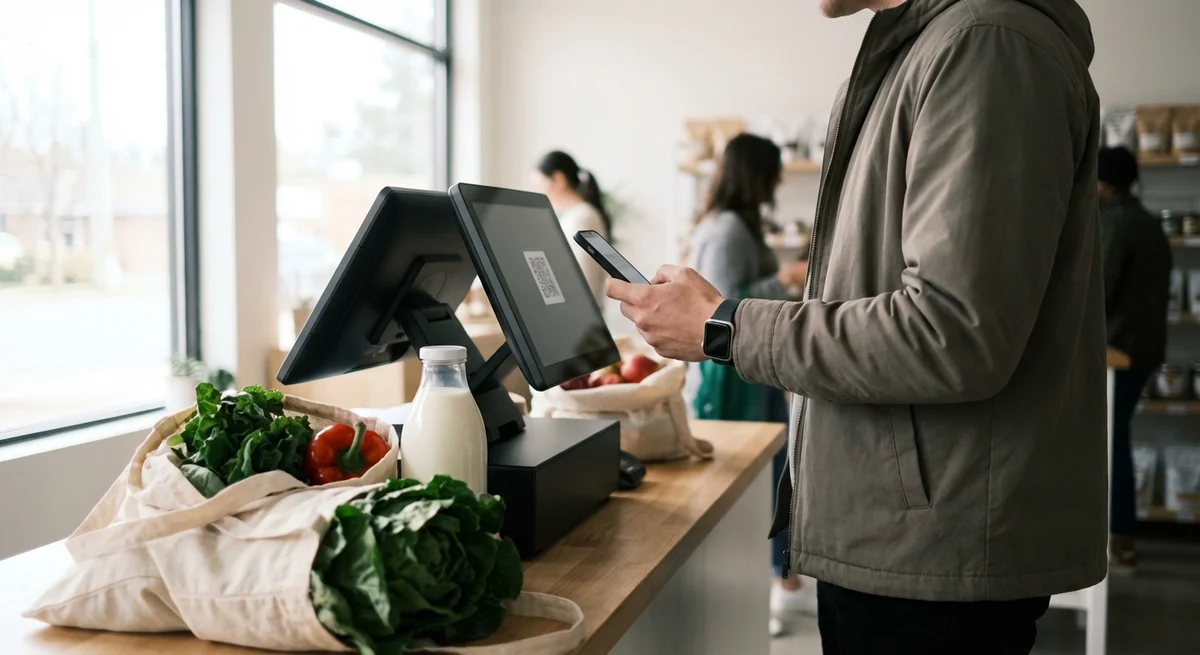
Imagine this situation: you open an AI model application not to create a workout plan or write Python code, but to pay for a dozen eggs and a milk carton at the nearest supermarket. It sounds like a strange dream of a tech-optimist, but for users of the Chinese Qwen model from Alibaba, it has become reality. The company officially confirmed that the excitement around their holiday promotion with "free cards" turned out to be so powerful that the timing had to be urgently extended. Originally, the festival of unprecedented generosity was supposed to end on February 23, but now the deadline has been moved to the 28th.
Context matters more than the discount itself. China is currently in a fierce battle for the title of "country's leading AI assistant." While Baidu with its Ernie Bot is betting on search engine integration, Alibaba is using its main trump card — a gigantic retail ecosystem. A voucher worth 25 yuan is not just a coffee discount. The AI model now makes it possible to pay for full meals, vegetables, groceries, and even goods at Tmall. Moreover, the entire network of Hema tech-savvy supermarkets is now officially integrated with the Qwen application. This is a perfect example of how a corporation is shifting the battle from cloud computing to the plane of real consumption.
Why is this happening right now? The holiday period in China is a time of peak spending and maximum audience attention. The cost of attracting one active user to a mobile application today is off the charts. Instead of pouring budgets into classical outdoor advertising or banners, Alibaba is literally buying loyalty through the stomach. If a user gets used to the idea that an AI model helps him save money on essential goods, he is unlikely to delete this application after the promotion ends. This is the classic "O2O" (Online-to-Offline) strategy, taken to the extreme with the help of artificial intelligence.
It is interesting to observe the gap in approaches. In the West, OpenAI and Google are fighting over whose model will better pass an exam to become a lawyer or a doctor. Meanwhile, in China, AI is learning to be useful in a checkout line. This does not mean that Qwen is dumber than its Western counterparts — in terms of linguistic abilities, the model shows impressive results. It's just that Alibaba understands: to truly become mainstream, AI must go beyond the browser and chatbot. It must become part of the physical world where people buy dumplings and milk tea.
The connection of the AI model with Hema offline stores shows where the industry is heading. We are entering an era where an AI assistant stops being just a "smart conversation partner" and becomes a full-fledged operational layer between humans and services. If previously you called a taxi or ordered food through separate buttons, now Alibaba is trying to do this through a single Qwen interface. And if it takes distributing millions of free meals to do this, they will do it without hesitation.
The question is only how long this subsidy holiday will last and what will happen when the marketing budgets run out.
Key takeaway: Alibaba is turning an AI model into an instrument of everyday consumption, tying it to its retail empire. While others are teaching AI to philosophize, Qwen is learning to buy milk. Will this become the standard for the industry or remain an expensive traffic attraction campaign?
Want to stop reading about AI and start using it?
AI News is a curated feed of AI/tech news. Hamidun Academy teaches you to use AI systematically in your work.