Ideal L9 Livis: Ли Сян превращает кроссовер в робота, чтобы спасти компанию (снова)
Ли Сян (Li Xiang) идет ва-банк. После падения продаж на 19% и задержек с электрокаром i6, глава Ideal Auto представил новый L9 и его топовую версию Livis за 559
AI-processed from HuXiu (虎嗅); edited by Hamidun News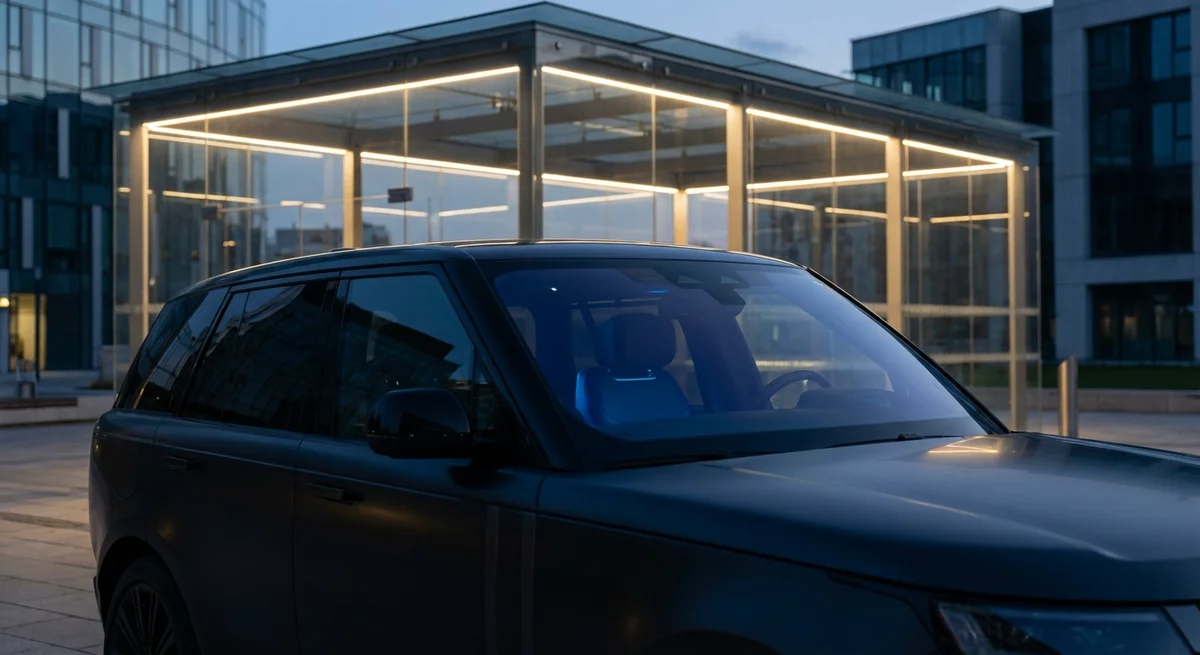
Remember the days when the pinnacle of Chinese SUV dreams was a built-in refrigerator, a massive television for rear passengers, and a soft ottoman? Li Xiang (Li Xiang), founder of Ideal Auto, literally upended the market back then, betting on family comfort and tangible convenience. But today, "refrigerators" won't impress anyone anymore — everyone from Geely to Xiaomi is installing them.
The company's sales began to slide, and Li Xiang decided it was time to change the rules of the game once again. Enter the updated L9 and its ultimate version Livis. The price tag is almost 560,000 yuan, but this time we're being sold not just premium hardware, but "the firstborn of embodied intelligence."
The situation for Ideal Auto looks suspiciously familiar right now. Four years ago, the company was in deep crisis when competitors from AITO (Huawei's brand) were literally decimating the sales of the first Ideal One model. Back then, salvation came with the launch of the first L9, which transformed the unprofitable startup into one of the market leaders and allowed the company to reach annual profitability.
However, last year cooled the optimists' enthusiasm: delivery volumes dropped by almost 20%, and the ambitious strategy to transition to pure electric vehicles stumbled over delays in the i6 model. Customers who hoped to drive home in new cars for Chinese New Year were left empty-handed, and company employees began openly questioning the direction of development. Li Xiang responds in his style — he announces an "All in AI" strategy.
At a recent internal meeting, he didn't even discuss the problems of the automobile business, fully concentrating on forecasts for neural network development. In his view, a car in its final stage of development is not transportation, but a robot. That's why he spends 70% of his working time on the AI direction.
The new L9 Livis must prove that "embodied intelligence" is not a marketing spell, but real technological value worth paying a premium for. So what does this give the end user? Li Xiang promises to move away from "spec wars" and transition to an "experience gap."
The car should stop being a passive tool. Thanks to a full stack of AI technologies, the new L9 will recognize its owner, understand the context of the situation, and proactively offer services. If previously the car simply drove you from point A to point B, now it should become an active partner.
The irony is that Li Xiang is trying to sell us technological magic at the exact moment when the market demands lower prices and pragmatism. The price segment of 400–550,000 yuan is oversaturated: there's the updated AITO M9, luxury NIO models, and even German classics like the Audi Q5L and Mercedes GLC, which are actively undercutting prices. The success of L9 Livis will be an indicator of whether the mass buyer is ready to pay for intelligence as readily as for comfortable seats.
If Li Xiang can prove that his AI truly "sees and understands" people, he'll pull Ideal Auto out of the hole once again. If it all comes down to updated parking algorithms and a slightly more responsive voice assistant, the company will have to find more pragmatic ways to survive in the context of the fiercest competition. For now, Li Xiang is betting everything, claiming that the future belongs to robots, not cars with screens.
The key question: Can the concept of a "robot on wheels" become as powerful a sales driver as the "home on wheels" with a refrigerator once was?
Want to stop reading about AI and start using it?
AI News is a curated feed of AI/tech news. Hamidun Academy teaches you to use AI systematically in your work.