NVIDIA ставит геймеров на паузу: почему AI важнее ваших видеокарт
Мир AI сошел с ума от масштабов: Alibaba Qwen обрушила серверы, раздавая бесплатный чай, а Amazon шокировала инвесторов планом потратить $200 млрд на инфраструк
AI-processed from 36Kr (36氪); edited by Hamidun News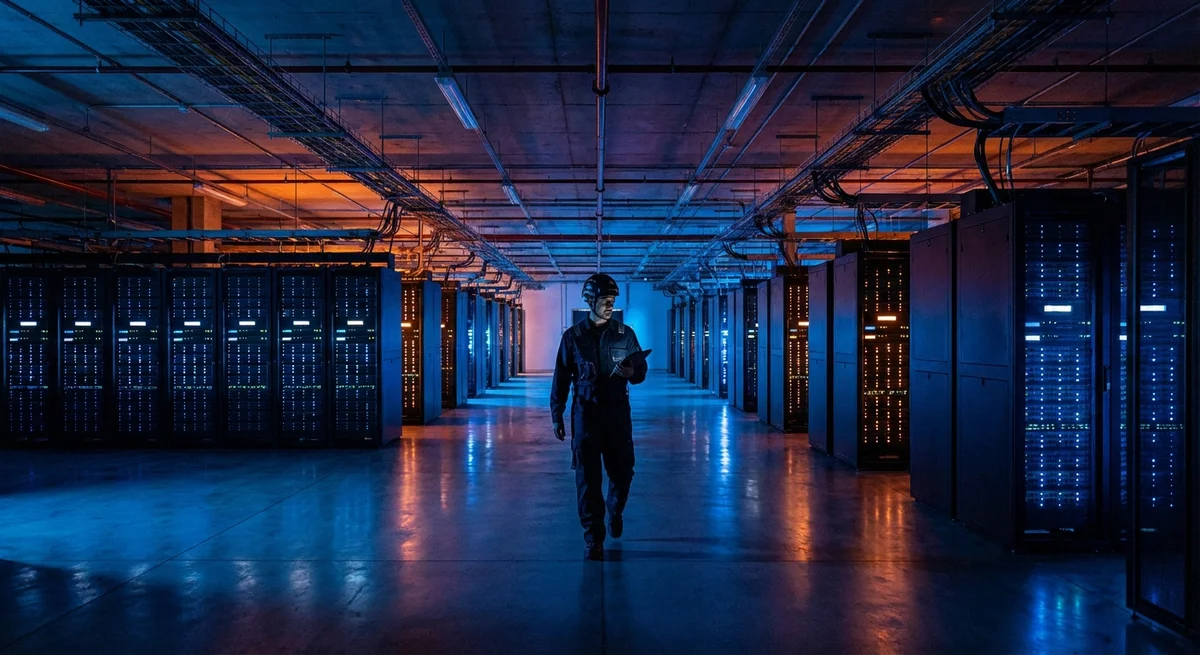
Imagine walking into your favorite coffee shop and finding a line stretching three blocks because an AI promised everyone free lattes. This is exactly what happened with Alibaba and its Qwen model. The "30 billion free orders" promotion for Chinese New Year resulted in servers simply collapsing under the onslaught of people wanting to drink tea at the expense of artificial intelligence.
It's a perfect metaphor for what's happening across the entire industry: demand is so overheated that the infrastructure is cracking at the seams, and giants are willing to burn billions for user loyalty. But if Alibaba's server collapse is a temporary hiccup, then NVIDIA's latest news makes you think about long-term changes in our systems. While you were waiting for the announcement of new RTX 50 Super cards, Jensen Huang apparently decided that gamers can wait.
Data has emerged suggesting that NVIDIA may not release new gaming video cards in the coming year. The reason is painfully mundane: a shortage of memory chips. The company faces a choice: sell you a video card for a thousand dollars or give those same components as part of an accelerator for training neural networks for thirty thousand.
The choice is obvious. Priorities have shifted so dramatically that even finished designs of new cards are being shelved while cloud giants queue for computing power. The irony is that gamers once helped NVIDIA soar, and now they've become a secondary market.
The scale of this madness is confirmed by Amazon. The company announced plans to invest an astronomical 200 billion dollars in building data centers and developing its own chips. Investors are in mild shock, as such spending will inevitably hit profits in the short term.
But in the Big Tech world right now, there's a rule: either you build "data factories" today, or tomorrow your models will be hopelessly behind. This is no longer just a competition of algorithms; it's a war of budgets and supply chains. Whoever builds enough servers first will dictate the rules of the game in the next decade.
Against this backdrop, Apple looks surprisingly cautious. Reports about winding down its Mulberry virtual health project suggest that even in Cupertino they recognized: creating a full-fledged AI coach is a task far more complex than simply integrating a chatbot into iPhone. Instead of a separate breakthrough Apple service, the company will likely just "spread" its developments across existing applications.
Meanwhile, Tencent launches WorkBuddy, a desktop AI agent, trying to transform a user's desktop into a full-fledged workplace managed by a neural network. The battle for our attention is shifting from chatbots to operating system interfaces. Elon Musk isn't forgetting about himself either.
The scheme to merge SpaceX and xAI through a clever two-stage procedure is a classic move in his style. SpaceX gains access to the brains of the AI startup without legally burdening itself with its debts. Vertical integration in action: from rockets to neural networks, everything works in one ecosystem.
While some are handing out tea, others are building an empire where AI controls both machines (remember Xpeng's L4 tests) and spaceships. We are entering an era when AI stops being a "gimmick" and becomes a foundation for which companies are willing to reshape their business models and sacrifice familiar markets. The main thing: Are you ready for your next video card to cost as much as a used car, because all chips have gone to training Claude 4 and GPT-5?
Want to stop reading about AI and start using it?
AI News is a curated feed of AI/tech news. Hamidun Academy teaches you to use AI systematically in your work.