Шторм против нейросетей: почему американская энергосеть трещит по швам
Зимний шторм Ферн в США выявил критическую уязвимость: энергосети не справляются с одновременным ростом потребления ИИ-центров и нуждами населения. В Вирджинии,
AI-processed from The Verge; edited by Hamidun News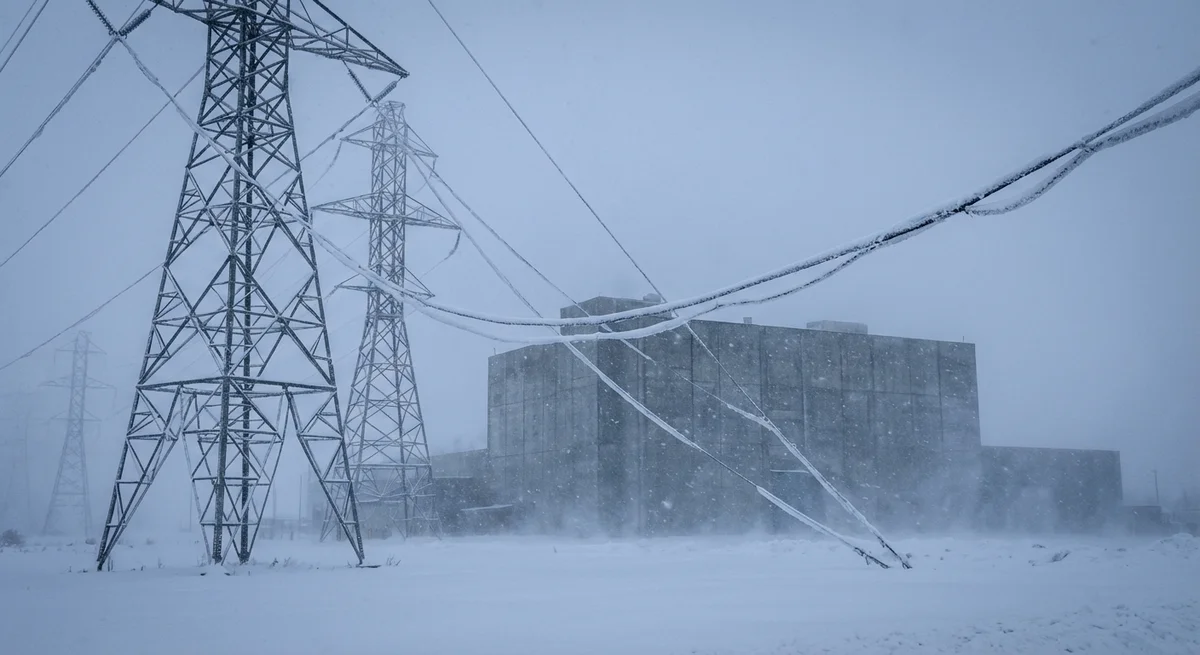
Imagine a typical scene from a postapocalyptic film: an icy storm raging outside, hundreds of thousands of homes left without power, and somewhere nearby behind a high fence thousands of graphics processors continue humming, consuming megawatts of energy to train the next language model. This is not a Netflix scenario, but the reality of last week in the USA. Winter Storm Fern, which swept through 34 states, became not merely a climatic challenge, but a harsh stress test for infrastructure that was already operating at the limit due to the artificial intelligence boom.
The main blow fell on Virginia — a place that the industry calls the "Data Center Alley." Here is concentrated the highest density of server capacity in the world, and it was here that wholesale electricity prices peaked during the storm.
The problem is that modern AI is incredibly energy-hungry. If previously data centers were primarily engaged in data storage and cloud computing with a predictable load profile, today's clusters based on Nvidia H100 chips consume far more electricity. A single server rack can require as much energy as an entire apartment building.
When temperatures drop outside, people turn on heaters, and the load on the grid becomes critical. At this moment, grid operators face an impossible choice: maintain the functioning of the digital economy or prevent people from freezing. In Virginia, this conflict of interest has long ceased to be theoretical.
Local residents increasingly take to the streets in protest, seeing figures in their electricity bills that grow proportionally to the number of new servers in their county.
The irony of the situation is that major technology companies have spent years investing in "green" energy and purchasing renewable energy certificates. However, in the conditions of a real winter crisis, when solar panels are buried in snow and the wind dies down, grids are forced to return to coal and gas. Moreover, to satisfy the growing demand from AI giants, energy companies in the USA have begun postponing the closure of old coal power plants. We are witnessing a paradox: in order to create a "superintelligence" that will supposedly solve the climate crisis in the future, we are forced right now to burn more fossil fuels and overload networks built in the last century.
The situation with Storm Fern is merely a preview of what awaits the industry in the coming years. Microsoft, Google and Amazon continue to build gigantic facilities, each requiring power comparable to a small city. But energy companies simply cannot keep up with laying new transmission lines and building substations. The process of connecting a new data center to the grid in some regions of the USA now takes five to ten years. This creates a bottleneck for the entire AI race. If OpenAI or Anthropic cannot find a stable energy source, no algorithmic breakthroughs will help them train next-generation models. Energy is becoming the new oil, and the struggle for it will only intensify.
In the end, we come to the fact that technological progress has hit physics and good old hardware. While Sam Altman muses about nuclear fusion as salvation, reality presents us with icy wires and disgruntled taxpayers. It is clear that the model of "infinite growth" in AI cluster consumption requires rethinking. Either tech giants will start building their own power plants (including small modular nuclear reactors, which there are already rumors about), or state regulation will strictly limit their appetites in favor of the civilian sector. Storm Fern has ended, but the questions it raised will remain with us for a long time.
The bottom line: Energy hunger is becoming a more serious threat to AI development than chip shortages or data scarcity. Is the industry ready to pay for its success with public discontent and blackouts?
Want to stop reading about AI and start using it?
AI News is a curated feed of AI/tech news. Hamidun Academy teaches you to use AI systematically in your work.