Qwen: Alibaba сжигает три миллиарда юаней ради вашего чая
Alibaba устроила агрессивный демпинг в честь китайского Нового года. Компания выделила 3 миллиарда юаней на кампанию «AI-шопинга» через свою модель Qwen (Tongyi
AI-processed from Jiqizhixin (机器之心); edited by Hamidun News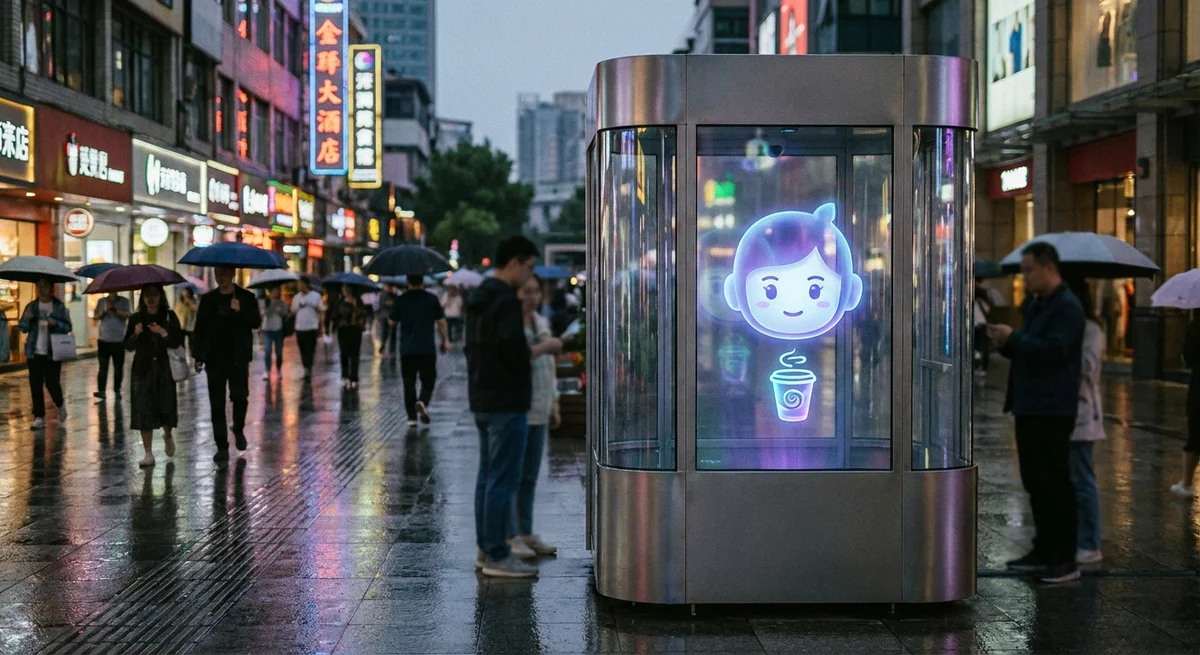
While the Western world debates the safety of hypothetical AGI, artificial intelligence networks in China have started buying people tea. Chinese New Year (Chunjiang) celebrations have always been a time of the "red envelope wars," when tech giants compete to distribute money through apps. This year, the rules of the game have fundamentally changed.
Alibaba, through its flagship model Qwen (Tongyi Qianwen), has launched a large-scale campaign worth 3 billion yuan. This is not just cashback—it's the official opening of the "AI shopping" season. The tradition of distributing money during holidays in China is the best way to quickly attract new audiences.
Previously, this was done by messengers and payment systems. Now artificial intelligence takes center stage. Alibaba understands that simply having a "smart chatbot" is not enough to retain a user in 2024.
The technology needs to be embedded into daily life. A campaign offering free milk tea is a brilliant marketing move that hits young audiences precisely. If an AI network can order you a drink and pay for it itself, it stops being an abstract toy and becomes a useful tool.
What is really happening behind the scenes of this generosity? Qwen is now deeply integrated into Alibaba's e-commerce ecosystem, including the Taobao and Tmall platforms. Users don't simply search for products through a search bar—they interact with an agent that understands context, finds the best offers, and applies those very subsidies from a huge fund.
This is a fundamental shift from the "search-click-buy" model to the "request-solution" model. Alibaba is effectively subsidizing the training of its users: they are teaching people to trust AI with their transactions and wallets. Why is this important right now?
The battle for LLMs in China is shifting from the realm of academic benchmarks into the real sector. Baidu with its Ernie Bot and Tencent with its Hunyuan are not sitting idle either, but Alibaba has bet on the most understandable trigger for Chinese consumers—food and shopping. The "Mian Dan" phenomenon historically helped giants like Didi or Meituan capture markets.
Now this proven method is being used to make Qwen "an operating system for life." If the experiment succeeds, we will see the birth of a new form of consumption. The AI agent becomes a mediator between your desire and your bank account.
Today it's a cup of tea, tomorrow—vacation planning with ticket bookings or real estate purchases. Alibaba is building infrastructure where AI doesn't just advise but acts. While other companies try to monetize chatbot subscriptions, the Chinese are pursuing the path of creating a total ecosystem where AI itself is the driver of sales.
The main point: Alibaba is turning Qwen into a full-fledged financial agent. While others teach models to code, the Chinese are teaching them to spend their users' money. Will competitors be able to respond with something other than discounts, or will the battle for AI turn into a banal competition of budgets?
Want to stop reading about AI and start using it?
AI News is a curated feed of AI/tech news. Hamidun Academy teaches you to use AI systematically in your work.