OpenClaw и 160 тысяч звезд: почему инструменты для агентов — это ловушка
Проект OpenClaw (OpenClaw) набрал сумасшедшие 160 тысяч звезд на GitHub, и это отличный повод поговорить о том, куда катятся ИИ-агенты. Мы переходим от «умных ч
AI-processed from Jiqizhixin (机器之心); edited by Hamidun News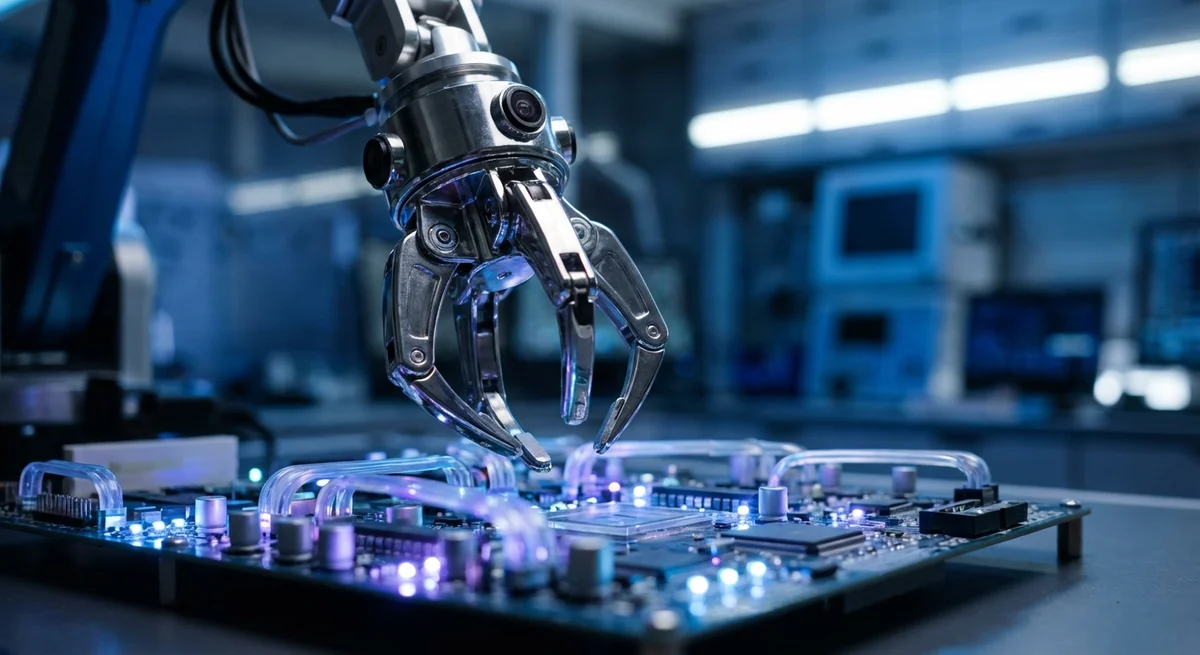
Listen, 160 thousand stars on GitHub don't just fall from the sky. This isn't simply the success of another repository—it's a collective cry from the industry for help. The OpenClaw project became a trigger for a discussion about what Chinese tech blogs call the "side A and side B" (AB) of agent tools.
While you and I were arguing about which model has a longer context window, the world has become completely obsessed with the idea of autonomy. We no longer want a neural network to just write poetry; we want it to book tickets, fix bugs in production, and manage our finances. But this is precisely where things get interesting and a bit scary.
Let's recall how we got here. First there were just chatbots. Then AutoGPT came along, promising to turn the world upside down, but in reality just endlessly wasted tokens in empty loops.
Now Agent Tools take the stage—essentially, the "hands" for large language models. OpenClaw proposes a standardized way to give a neural network access to the external world. Side "A" of this coin looks brilliant: efficiency increases several times over.
You give it a task, and the agent itself picks the right API, pulls the levers, and delivers results. This is the AI employee that all startups from Silicon Valley and Shenzhen have dreamed of. However, this coin has a "side B," which developers often prefer to stay silent about in investor presentations.
The problem isn't that the agent can't push a button. The problem is that it can push it at the wrong time, in the wrong place, with wrong consequences. When we talk about "using tools," we face fundamental fragility.
Models still hallucinate, but now their hallucinations have physical or financial consequences. If an agent decides that optimizing your schedule requires deleting "unnecessary" meetings along with your calendar and mailbox, it will do so with truly mechanical diligence. Why does this matter right now?
Because we've hit the ceiling of pure model "intelligence." The gap between GPT-4 and the next iterations no longer seems so gigantic. Growth is no longer happening in depth, but in breadth—through integrations.
OpenClaw became popular because it tries to bring order to this chaos of tools. But the paradox is that the more tools we give an agent, the higher the probability of error. This is called "cognitive load on the agent."
Imagine you were given a Swiss Army knife with a thousand blades—you'd probably cut yourself before you found the right one. The Chinese developer community is now actively discussing whether it's time to slow down. Instead of stuffing agents with hundreds of functions, perhaps we should focus on action verification.
We're building extremely complex management systems on a foundation of probabilistic predictions of the next token. It's like building a skyscraper on a swamp, hoping the concrete sets faster than the building starts to tilt. OpenClaw is a great tool, but it only highlights the main problem: we gave AI "claws," but forgot proprioception—the sense of one's own body and boundaries of what's permissible.
What does this mean for us? Most likely, in the coming year we'll see a retreat from "universal agents" toward narrowly specialized microservices. Safety and predictability will become the new currency, worth more than any "stars" on GitHub.
We're entering an era where AI's ability to stop in time and ask permission will be valued higher than its ability to complete a task at any cost. The industry is finally starting to understand that "smart" doesn't mean "reliable." The bottom line: the hype around OpenClaw proves that tools are the new frontier, but without strict security protocols, these "claws" can pinch their creators painfully.
Are we ready to entrust an agent not just with text, but with our access credentials?
Want to stop reading about AI and start using it?
AI News is a curated feed of AI/tech news. Hamidun Academy teaches you to use AI systematically in your work.