Mobile Fortify: американские спецслужбы играют в угадайку с вашим лицом
Иммиграционная и таможенная полиция США (ICE) использовала приложение Mobile Fortify более 100 000 раз для идентификации людей, хотя система для этого не предна
AI-processed from Wired; edited by Hamidun News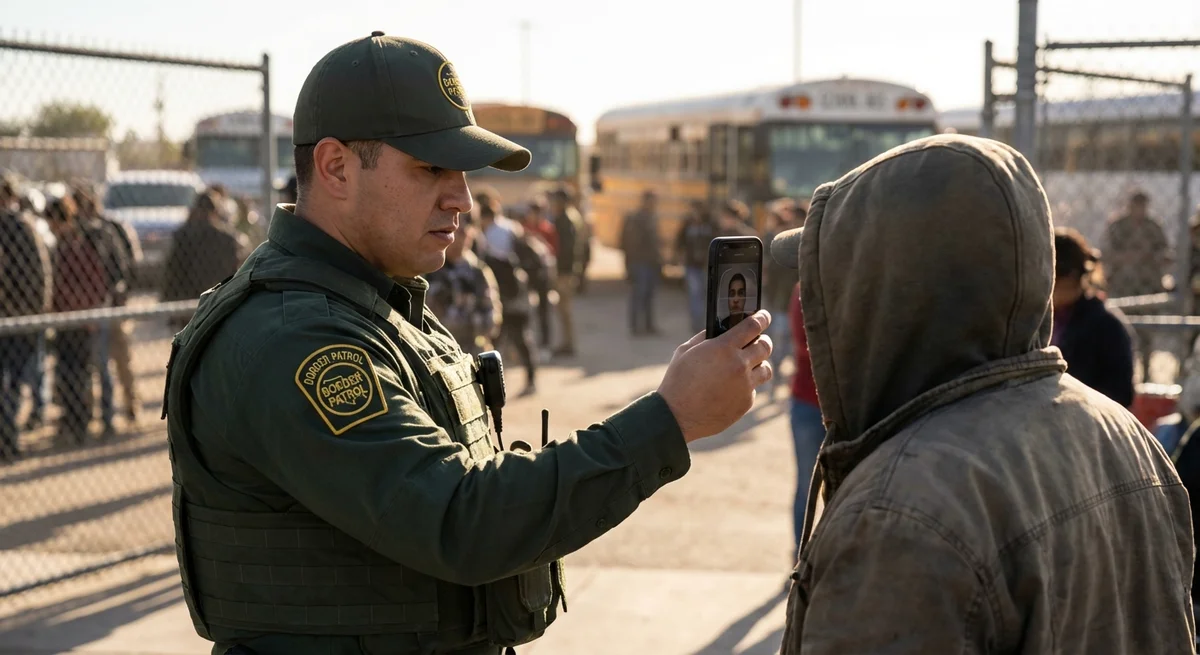
Imagine you're standing at a border or simply walking down the street when an officer points a smartphone at you. A couple of seconds, and the algorithm delivers its verdict. Sounds like a scene from cyberpunk, but for the USA this is the grim reality of the Mobile Fortify application.
The only problem is that this application is technically incapable of confirming identity with proper accuracy. It was never created for that purpose. Yet this didn't stop ICE and Customs and Border Protection officers from using it over 100,000 times to check migrants and US citizens alike.
The story of Mobile Fortify is a classic example of how the desire to implement innovation at any cost turns serious government institutions into heroes of absurdist comedy. Initially, the system was conceived as an auxiliary tool, a kind of digital notebook with access to databases. But at some point, it transformed into the main hammer they swing at every nail.
To legalize this process, the Department of Homeland Security had to resort to a little trick. They simply ignored their own rules for assessing the impact on privacy. When rules get in the way of progress, bureaucrats don't change the progress—they cancel the rules.
Why does this matter right now? We're at the peak of hype around AI tools, and government structures around the world are trying to automate everything they can reach. But when it comes to face recognition, the cost of error isn't just a misfiled news feed recommendation.
It's unlawful detention, interrogation, and destroyed lives. If the system delivers only a probabilistic answer, and the officer perceives it as the ultimate truth, the technology becomes more dangerous than its absence. The most ironic thing here is that the agency itself acknowledged: Mobile Fortify never passed tests for identification standards compliance.
It's as if the police used coffee ground divination instead of a breathalyzer, but still filled out the protocol with a serious face. The system often confuses people with similar facial features, which in the context of working with migrants becomes a real lottery. Meanwhile, scanning data is stored in databases that are later used to train other, even more invasive algorithms.
We're seeing a dangerous precedent where a "quick fix" becomes the de facto standard. Face recognition technologies are already under fire for bias and errors against ethnic minorities. Using knowingly broken or unsuitable software only adds fuel to this fire.
Instead of building a transparent control system, authorities chose the path of least resistance, where the convenience of the interface matters more than civil rights. This reminds us that behind any AI "magic" stands concrete code and concrete people who approve that code. If at the approval stage common sense is replaced by the desire to check off the innovation report box, we get a digital dystopia on a national scale.
And while human rights advocates try to challenge the use of Mobile Fortify, the verification counter keeps ticking, recording more and more faces in a system that officially "doesn't work as it should." The bottom line: if even US special services are willing to use questionable software in violation of their own rules, how much can we trust any other government AI system without independent audit?
Want to stop reading about AI and start using it?
AI News is a curated feed of AI/tech news. Hamidun Academy teaches you to use AI systematically in your work.