Digital Siege: How AI Bots Turned the Internet Into a Battleground for Content
For a long time, the internet resembled an enormous free library, where anyone could enter and read whatever they wanted. But AI arrived, and it turned out…
AI-processed from Ars Technica; edited by Hamidun News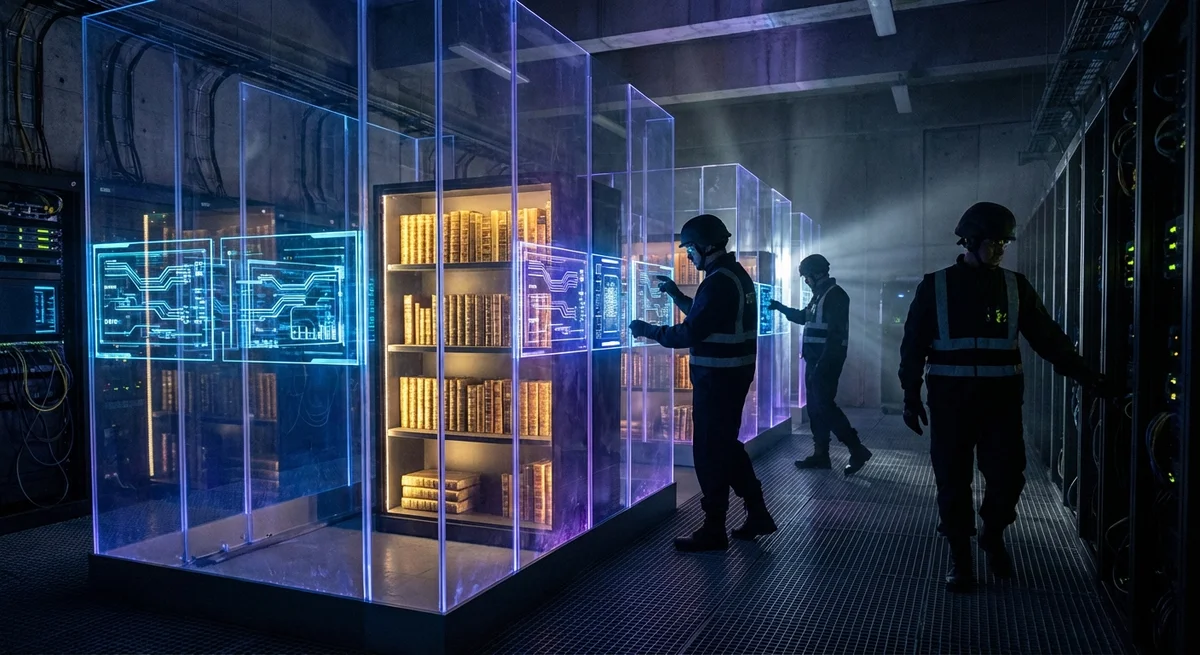
For a long time, the internet resembled an enormous free library, where anyone could enter and read whatever they wanted. But AI arrived, and it turned out that this library — is not just a storage of knowledge, but a free cafeteria for technology giants. OpenAI, Google and Anthropic spent years vacuuming the web, turning other people's articles, investigations and posts into training datasets. Now publishers have realized the scale of the problem: they are literally sponsoring their future killers. Why would a user visit a newspaper's website if a chatbot has already recapped all the content in one paragraph?
Today we are witnessing the beginning of a full-scale arms race. On one side — legions of bots that are becoming increasingly sophisticated. Previously, it was enough to write a ban in the robots.txt file, and respectable companies would comply with it. But appetites are growing, and now some crawlers are disguising themselves as regular users, changing IP addresses and bypassing basic protections. Publishers in response are turning their websites into digital fortresses. Advanced systems from Cloudflare and specialized anti-bot services come into play, which analyze visitor behavior down to the millisecond. If you click too quickly or suspiciously efficiently read the text — welcome to an endless CAPTCHA loop.
The conflict of interest here is fundamental. For AI developers, data is oil. Without fresh texts, models begin to "degrade," learning from their own hallucinogenic content. For publishers, this data is the only asset they can sell. We are seeing how the industry is splitting into two camps. Some, like Axel Springer or Reddit, are signing multimillion-dollar contracts with OpenAI, legalizing the use of their content. Others are going to court and boarding up the doors. The irony is that this struggle makes the internet worse for all of us: websites become slower, access to information becomes more expensive, and search results are cluttered with AI surrogates.
What does this mean in the long term? We are probably saying goodbye to the concept of an open web. Quality, human-verified content will become an elite commodity, hidden behind high fences of paid subscriptions and authorizations. The free internet will remain a zone filled with generated garbage, which bots will chew through one after another, until meaning finally disappears. The battle for data has only just begun, and whoever has enough resources not only to create a smart algorithm, but also to negotiate with those who give that algorithm meaning, will win.
The main point: The era of the "wild west" in data collection has ended. Either AI companies will start paying for every letter, or the internet will turn into a system of closed clubs, where bots (and possibly you) will be denied entry.
Want to stop reading about AI and start using it?
AI News is a curated feed of AI/tech news. Hamidun Academy teaches you to use AI systematically in your work.