ИИ-скепсис докатился до Азии: инвесторы больше не хотят платить за обещания
Технологический сектор переживает болезненное похмелье. После месяцев безудержного оптимизма инвесторы начали задавать неудобные вопросы окупаемости ИИ-инфрастр
AI-processed from Bloomberg Tech; edited by Hamidun News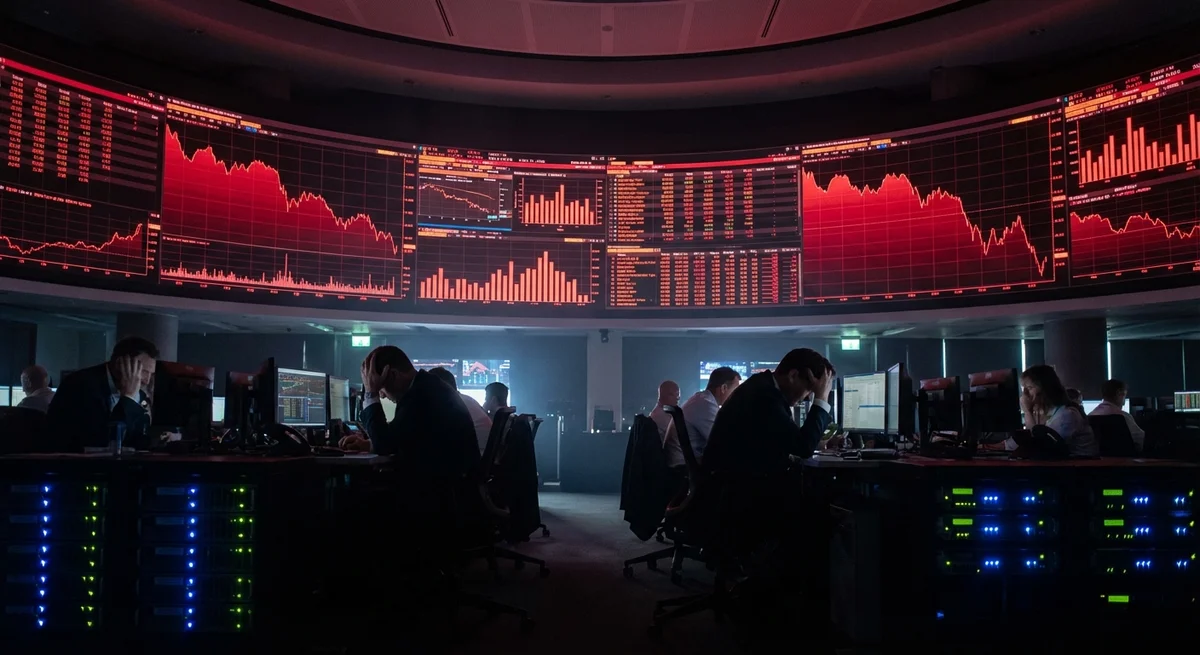
It seems the endless credit of confidence in artificial intelligence on the stock market has begun to run out. What started as light profit-taking in Silicon Valley has grown into a full-fledged exodus from technology assets that has now engulfed Asian markets as well. Investors, who just yesterday were ready to buy any shares with the word AI in the description, suddenly sobered up and started counting their money. The main question of the day sounds frighteningly simple: where is the promised revenue from all these billion-dollar investments in computing power.
The situation resembles a classic market hangover after a prolonged celebration. For the past year and a half, the industry has been operating in gold rush mode, where the main commodity was shovels—that is, chips from NVIDIA and their equivalents. However, now the focus is shifting from those who build the infrastructure to those who are supposed to earn money on it. When Microsoft, Google, and Meta spend tens of billions of dollars on data centers, shareholders want to see not just beautiful demo videos on Twitter, but concrete figures in profit and loss reports. So far, these figures are not impressive, which has sparked the current wave of skepticism.
Asian markets reacted to what is happening particularly sharply, since this is where the key production nodes of the AI economy are concentrated. Shares of component suppliers and equipment assemblers began losing value, following their American customers. Investors realized that if big tech in the US decides to slow down equipment purchases due to low profitability of software solutions, then everyone will suffer along the chain—from producers of lithographic machines to chip testing plants. This creates a domino effect that is difficult to stop with simple statements about a bright future.
The problem also lies in so-called "bubbly" valuations. When company multiples skyrocket based solely on expectations, any slowdown in growth rates is perceived as a catastrophe. We are now witnessing this exact process of value reassessment. The market is trying to find the bottom and understand which part of companies' value is provided by real business, and which part is pure hype around neural networks. At the same time, it is important to understand that the technology itself is not going anywhere, but the financial landscape around it is clearly changing.
Many analysts draw parallels with the dot-com crash, but the situation now is somewhat different. In 2000, companies often didn't even have a business model, whereas today technology giants have enormous cash flows from their core business. Nevertheless, pressure on the AI direction will only grow. Companies can no longer justify massive capital expenditures simply by the need to "be in the race." Now they will have to prove that their products based on large language models are actually needed by customers and that customers are willing to pay for them.
In the coming months, we will likely see the market divide into those who managed to monetize AI and those who simply burned investors' money. This is a healthy purification process, although for many portfolios it will prove quite painful. The period of easy money is over, and now the AI industry will have to mature and learn to live under strict financial discipline, where every dollar spent on GPU must return with a profit.
Key takeaway: The market stopped believing in magic and started demanding Excel spreadsheets. Will AI developers be able to show real profit before investors become completely disillusioned?
Want to stop reading about AI and start using it?
AI News is a curated feed of AI/tech news. Hamidun Academy teaches you to use AI systematically in your work.