Claude 3.5 Sonnet: Anthropic лишает Уолл-стрит сна и миллиардов долларов
Anthropic выкатила обновление Claude 3.5 Sonnet с функцией Computer Use. Теперь нейросеть — это полноценный оператор, который двигает курсором, заполняет формы
AI-processed from Jiqizhixin (机器之心); edited by Hamidun News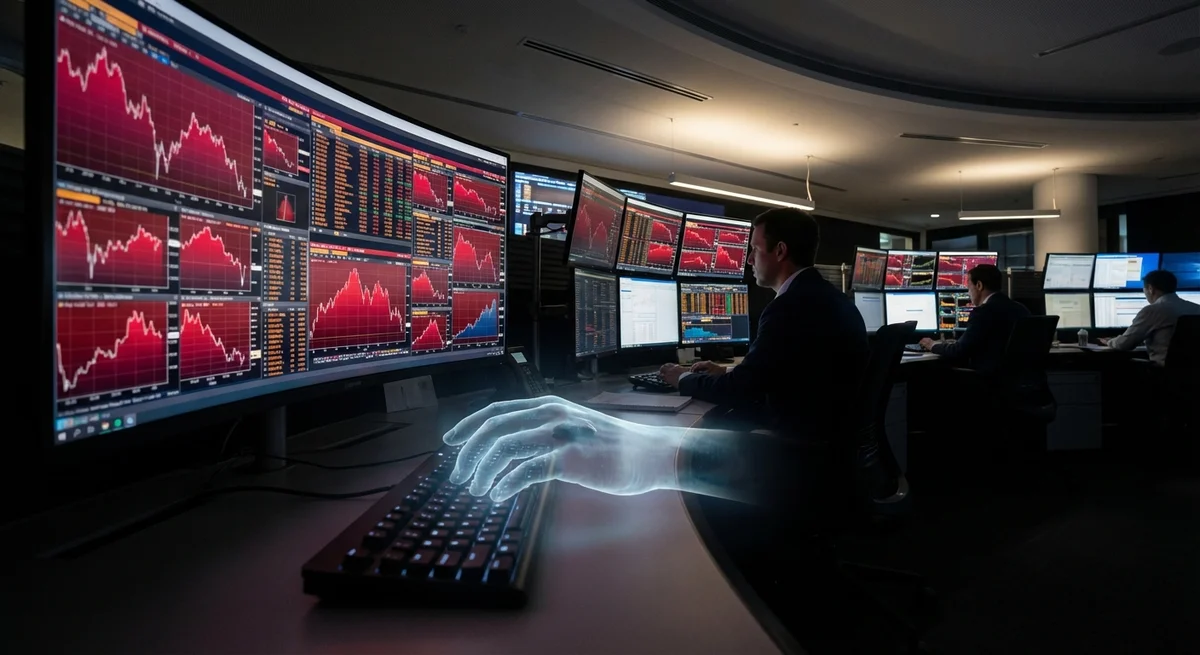
Imagine you've spent years building a multibillion-dollar empire by selling a convenient interface on top of a database. And then one company releases code that doesn't need your interface anymore. That's exactly what happened last night when Anthropic introduced the updated Claude 3.
5 Sonnet model. The main thing here isn't that it got better at writing poetry or code. It learned to use a computer literally like a human: looking at the screen, moving the cursor, clicking buttons and typing text in any application.
Wall Street felt this moment instantly. Shares of companies whose business is built on providing software tools for business started sliding down. Investors realized a simple truth: if an AI agent can go into an old CRM system on its own, transfer data from Excel and send an email through Outlook, then the value of "pretty buttons" and "convenient panels" approaches zero.
We're watching a huge segment of the SaaS market turn into a set of unnecessary intermediaries between AI and the result. Why does this matter right now? Until this moment, we lived in the "Copilot" paradigm — when a neural network sits in the corner of the screen and gives advice.
Anthropic jumped over this stage, offering the concept of an autonomous agent instead. They don't need special APIs or complex integrations that companies spent years setting up. Claude simply "sees" the pixels on the screen and understands what to do.
It's an elegant and simultaneously frightening solution that bypasses all the classic barriers to technology adoption. Remember how OpenAI promised us something similar with their "operators," but Anthropic was the first to roll out a working solution to the public. This is a classic example of how the second player in the market can seize the initiative by simply giving users a tool for real work, not yet another demo of the future.
The problem is that this future arrived too quickly for a stock market accustomed to valuing software giants by the number of licenses sold. Now one Claude license can replace dozens of jobs equipped with complex software. The consequences for the industry will be tectonic.
If developers previously spent months creating integrations between different services, now the agent does it "with its eyes." This means the death of many middleware startups and a serious challenge for giants like Salesforce or HubSpot. They'll either have to completely reinvent themselves or watch their market cap evaporate under the onslaught of agents that don't need their interfaces.
Anthropic has essentially declared war on traditional software, and the first casualties in this war are already measured in billions of dollars. Of course, the technology isn't yet perfect. Claude can make mistakes, miss buttons or get stuck on complex CAPTCHAs.
But the direction is crystal clear. We're transitioning from the era of "software for people" to the era of "infrastructure for agents." And those who lost money on the exchange today may have been the most prescient, having recognized in time that the rules of the game have changed forever.
While others are debating chatbot hallucinations, Claude is already learning to close your tasks in Jira. The bottom line: Anthropic created a precedent where an AI model becomes not just a tool, but a full-fledged user. Will OpenAI be able to respond with something more significant than just another voice demo?
Want to stop reading about AI and start using it?
AI News is a curated feed of AI/tech news. Hamidun Academy teaches you to use AI systematically in your work.