Gizmo: TikTok for mini-apps or how AI learned to sell vibes
Let's be honest: we're all a bit tired of empty chatbot windows. The idea that each of us would become a "prompt engineer" and virtuously juggle complex text…
AI-processed from TechCrunch; edited by Hamidun News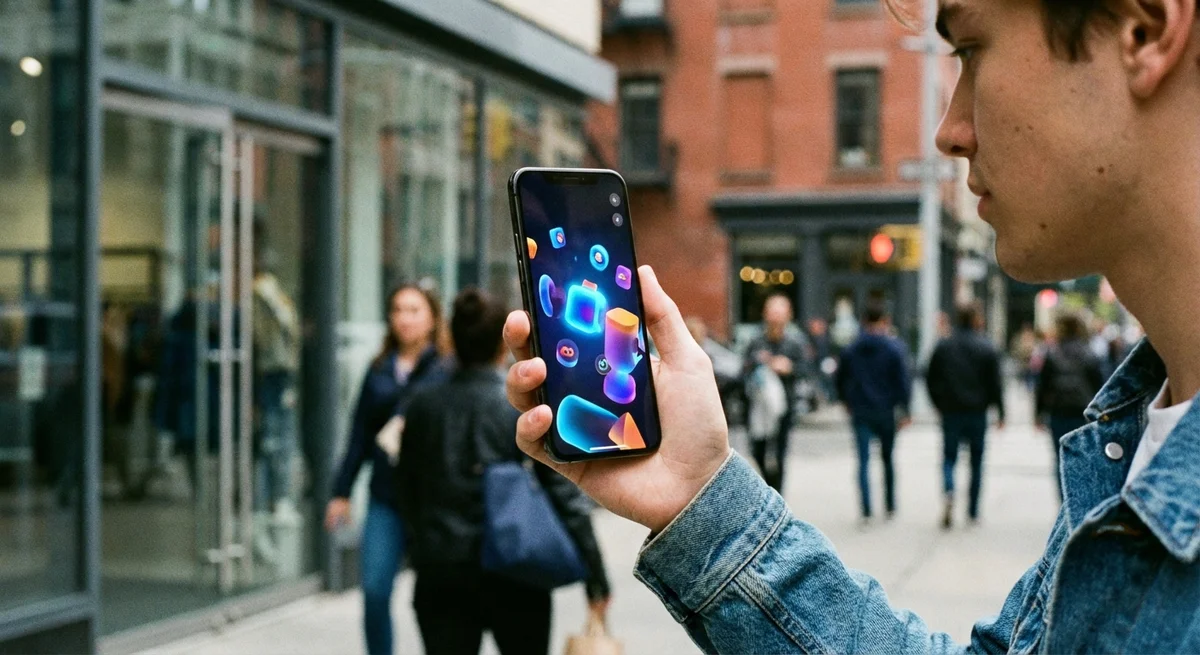
Let's be honest: we're all a bit tired of empty chatbot windows. The idea that each of us would become a "prompt engineer" and virtuously juggle complex text queries shattered against the harsh reality of human laziness. Most people don't want to work with a complex tool; they want the tool to entertain them. This is the foundation upon which Gizmo is built — a new platform that transforms interaction with artificial intelligence into an endless stream of pure dopamine, packaged in the familiar interface of a vertical feed.
The context here is crystal clear. We've already been through this with the App Store in 2008 and with TikTok in 2018. At first, technology seems complex and accessible only to enthusiasts, and then someone appears who turns it into a game. Gizmo does exactly this: they take the power of modern language models and hide it behind bright buttons and a "vibe-coded" design. Instead of painfully figuring out what else to ask ChatGPT, you simply swipe through the feed and stumble upon a mini-app that offers you a tarot reading, lets you create your own cyberpunk-style digital avatar, or chat with the virtual embodiment of a romantic comedy heroine from the 2000s.
What has really changed is the approach to audience retention. The main pain point of modern AI services is that people log in to solve a specific task and immediately leave. Gizmo borrows ByteDance's mechanics, creating an environment where you can "get stuck" for hours. Each mini-app here isn't just a utility; it's interactive content you can share. This transforms the use of AI from a solitary and functional process into a social and emotional one. The concept of "vibe-coded" here isn't just marketing noise — it's a clear strategy: software shouldn't just work, it should match your mood.
Why does this matter right now? The AI industry is at a crossroads. The corporate sector is already divided between Microsoft and Google, but the battle for ordinary users' free time is only beginning. If we used to argue about whose model is smarter, the question now is different: whose model is more interesting? Gizmo clearly demonstrates that the future of consumer AI lies not in "smart assistants," but in "smart entertainment." It's an attempt to democratize software creation, where creating a mini-app becomes as simple an action as recording a short video.
Of course, skeptics will say this is just another plaything for a couple of weeks. Remember Lensa with its magical avatars? It skyrocketed and disappeared from the headlines just as quickly. However, Gizmo is aiming deeper — they're not building one application, but an entire ecosystem. If they manage to attract creators who will produce thousands of these "vibe-coded" micro-services daily, we'll get an entirely new type of media consumption. This is no longer a social network in the traditional sense, nor is it an app store. It's something in between, where the boundary between consuming content and using software finally blurs.
Ultimately, Gizmo's success will depend on how quickly they can tame the chaos. TikTok is great because of its recommendation algorithms that know you better than your own mother. If Gizmo can serve you AI tools as precisely tuned to your current emotional state, we have serious problems with free time. We're entering an era when neural networks stop being work tools and become our primary accomplices in procrastination. And, it seems, we absolutely love it.
The bottom line: Will "vibe" become the new currency in the world of technology, or are we simply trying once again to package old-fashioned chatbots in new wrapping?
Want to stop reading about AI and start using it?
AI News is a curated feed of AI/tech news. Hamidun Academy teaches you to use AI systematically in your work.