Hang Seng Tech в крутом пике: китайские ИИ-амбиции дешевеют на глазах
Утро в Гонконге началось с распродаж. Индекс Hang Seng Tech просел на 1.06%, а главными аутсайдерами стали полупроводники и софт. Пока SMIC и Alibaba теряют по
AI-processed from 36Kr (36氪); edited by Hamidun News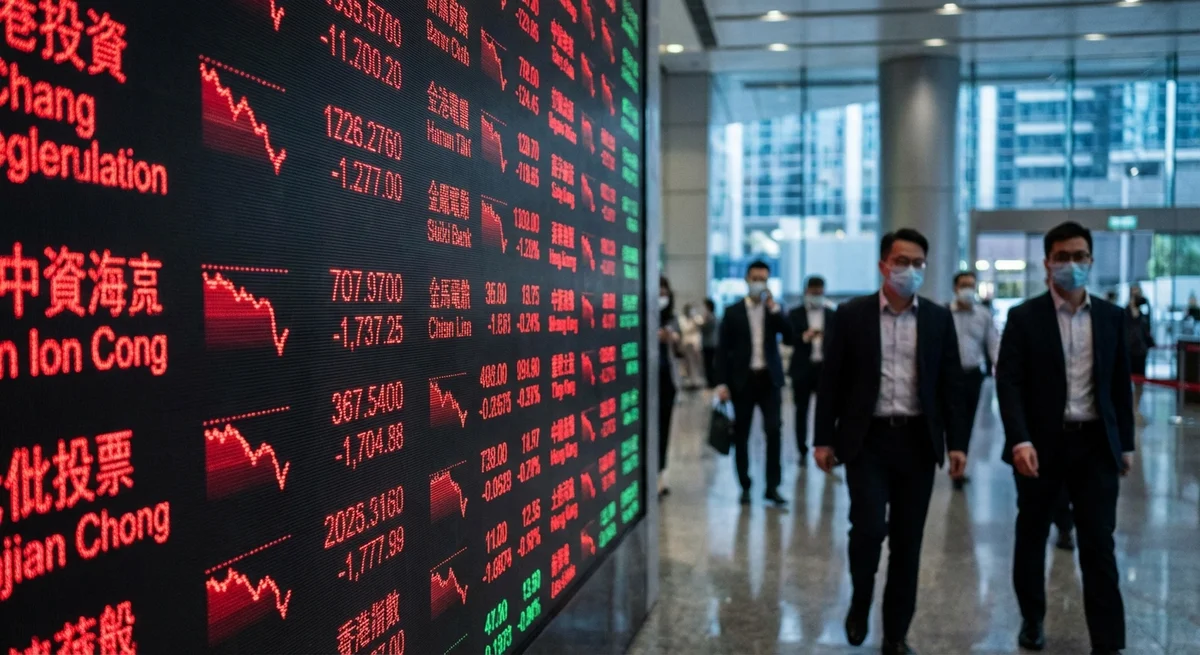
Morning coffee for investors in Hong Kong today clearly had a bitter taste. The opening of trading turned into a cold shower for those who believed in the cloudless growth of the Eastern technology sector. The Hang Seng Index fell 0.
82%, but the real blow hit the technology core — Hang Seng Tech collapsed by 1.06%. These are not just numbers on the board, but a direct reflection of how the market evaluates risks in an industry that was supposed to become the locomotive of the new economy.
The main blow struck the foundation of any artificial intelligence — semiconductors. When giants like SMIC and GigaDevice lose 2% to 4% of their value in mere minutes, this sends a clear signal throughout the entire supply chain. SMIC is currently at the forefront of technological confrontation, and any volatility in its share price hits China's hopes for chip independence.
Without stable chip production, all talk of sovereign neural networks remains merely talk in ministry corridors. Investors apparently began to doubt that current rates of import substitution justify inflated company valuations. Things are not better for platform giants.
Alibaba, Meituan and Kuaishou simultaneously went into the red by more than 2%. For Alibaba this is especially painful, given their aggressive bet on cloud computing and the integration of Tongyi Qianwen model family into all their services. When cloud player quotations slide down, it often means the market doesn't see rapid monetization of neural network implementations.
And Bilibili's drop of more than 4% outright hints at a cooling of interest in consumer AI services and the advertising market that feeds the creative economy. Against this background, growth in the electrical equipment sector looks extremely ironic. While software and chips are getting cheaper, GCL Technology adds an impressive 5%.
The market seems to remind us of harsh reality: to train models, you need not only algorithms, but also a gigantic amount of electrical energy. Hardware can fail, software can be overvalued, but demand for power infrastructure for data centers remains stably high. This is an important wake-up call for those accustomed to looking only at code, forgetting about the "outlet" where the servers are plugged in.
Why is this happening right now? We are witnessing classic reassessment of expectations after a period of euphoria. Chinese tech giants found themselves caught between the hammer of regulatory pressure and the anvil of the need for colossal R&D investments to chase OpenAI.
The current downturn is not the death of the industry, but rather a moment of truth, when speculative capital exits the game, leaving room for those ready to play for the long term. The question is only how deep this bottom will be before the market finds a new foothold. The key point: the market has stopped believing in AI miracles on faith and has begun demanding financial sustainability.
Will SMIC and Alibaba be able to prove their efficiency amid a falling index, or are we facing "bubble 2.0"?
Want to stop reading about AI and start using it?
AI News is a curated feed of AI/tech news. Hamidun Academy teaches you to use AI systematically in your work.