SpaceX и xAI: Маск строит империю на триллион (или просто спасает свои деньги?)
Илон Маск снова перетряхивает рынок: SpaceX поглощает xAI, создавая структуру стоимостью $1.25 трлн. Маск называет это «двигателем инноваций», объединяющим раке
AI-processed from Guardian; edited by Hamidun News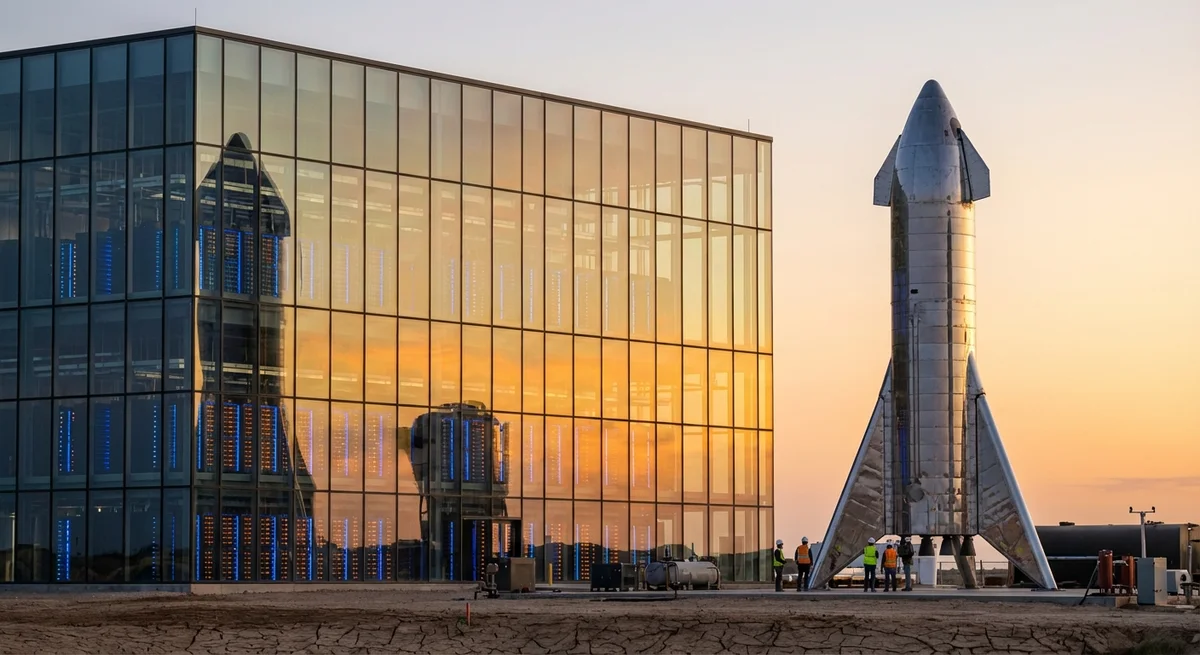
While the whole world was watching another spectacular landing of Starship stages, Elon Musk executed a maneuver far more complex and financially risky. He decided to merge SpaceX and his AI startup xAI into a single structure. The estimated value of this new "monster" came to a staggering 1.25 trillion dollars. Musk presents this as the creation of the greatest "engine of innovation" in human history, one that will unite space, the internet, and artificial intelligence. But if you look at the numbers closely, the picture stops looking like a frame from a science fiction film and starts resembling a classic scheme of moving money from one pocket to another.
Let's figure out what's actually happening. SpaceX today is an undisputed leader in private space and the owner of Starlink, which already generates real profit. xAI is an ambitious but extremely capital-intensive project that burns billions of dollars buying GPUs and training models. The merger of these companies looks like Musk's attempt to provide xAI with SpaceX's limitless financial resources. For Elon's fans, this is a genius move in vertical integration, but for SpaceX's minority shareholders, the situation looks like forced participation in rescuing an unprofitable startup. We've already seen something similar when Tesla acquired SolarCity, and that sparked a wave of lawsuits.
Musk describes the future company as a single organism where AI controls rockets and Starlink satellites provide instant connectivity for neural networks. It sounds logical if you forget that xAI hasn't shown anything that radically surpasses competitors from OpenAI or Anthropic. The valuation of over a trillion dollars is a down payment granted personally to Musk and his ability to work miracles. However, investors who put money into a "space company" suddenly find themselves owning a stake in an AI developer competing with Google and Microsoft. As usual, no one bothered to ask for their consent.
The rush to merge is explained simply: a public listing is planned for June. Musk wants to roll out onto the stock market not just a rocket company, but a universal technology platform. This allows him to drive valuation multiples sky-high. If SpaceX is valued by the metrics of an industrial giant, then the merged company will be valued as an AI leader, where profit multiples could be dozens of times higher. This is great news for those looking to make quick money off the hype, but a huge risk to SpaceX's long-term stability. If xAI doesn't take off, it could drag even the most successful space programs down with it.
The AI industry right now is in an "arms race" phase, where the winner is whoever has the most money and computing power. Musk found a way to get both without going to venture capitalists on equal terms. He simply took the resources of his most successful company. It's bold, it's classic Musk, and it creates a dangerous precedent for all corporate governance in Silicon Valley. We are witnessing the birth of a new form of corporation where the boundaries between one person's different businesses are erased entirely.
The bottom line: SpaceX is effectively becoming a sponsor of Musk's ambitions in AI. Whether this mixture can be transformed into a working business before June's IPO, or whether shareholders will stage a mutiny, remains to be seen.
Want to stop reading about AI and start using it?
AI News is a curated feed of AI/tech news. Hamidun Academy teaches you to use AI systematically in your work.