Музейный гид в Telegram: зачем платить за экскурсию, если есть LLM
Пока музеи продолжают сдавать в аренду громоздкие устройства с записями десятилетней давности, технологии LLM и TTS позволяют собрать персонального гида букваль
AI-processed from Habr AI; edited by Hamidun News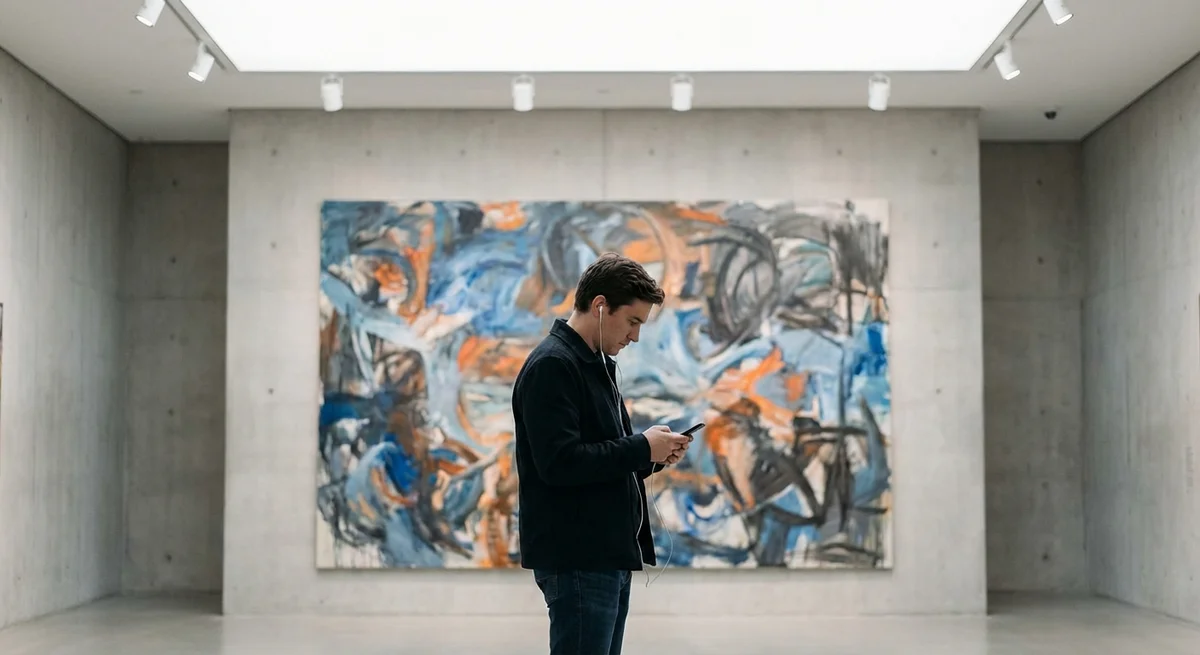
Remember your last visit to a large art museum. Most likely, they offered you to rent a heavy audio guide that looks like a phone from the nineties and speaks in the voice of a tired narrator. This industry has been frozen in the past while generative AI technologies have been rushing forward. Today, creating a personal tour guide has become a task accessible to any developer who knows how to use an API. We are moving from static recordings to dynamic content that is created here and now for a specific viewer and their interests.
The essence of a project at the intersection of LLM and TTS (Text-to-Speech) lies in creating a seamless data pipeline. Previously, this required an entire team of editors and narrators, but today all it takes is a properly configured prompt. The system works in three stages: obtaining a painting identifier, generating text through a powerful language model, and subsequent voiceover. Using Telegram as an interface is a strategically correct move, as it frees the user from having to download another heavyweight application that they will delete immediately after leaving the museum.
An important aspect here is the 'personality' of the guide. Modern LLMs allow you to assign any role to the bot: from a strict academic professor to an ironic contemporary artist. This changes the very paradigm of consuming information about art. You are no longer a passive listener to a lecture, but an active participant in the process. You can ask the bot to explain why this scribble is worth millions, or ask about the author's personal life, and the AI will instantly restructure its narrative while maintaining coherence and structure.
The technical implementation of such a project relies on a combination of Python and modern cloud solutions. After the language model has generated text, new-generation speech synthesis systems come into play. They have learned to imitate natural breathing, pauses, and intonations, which is critical for long narratives. If old systems sounded like robots, then modern TTS engines create the feeling that a real expert is whispering in your ear. This removes the barrier between technology and the perception of art, making the gadget almost invisible.
What does this mean for the industry as a whole? Museums will either have to adapt or accept that their monopoly on information is destroyed. Such indie projects show that value is shifting from owning content to the quality of its presentation. When anyone can get quality consultation on any object in the world, the one who wins is the one who offers the best user experience and the most interesting interpretation of the facts.
The main point: Are museums ready to open their archives for training such models, or will they continue to fight for the rental of old devices at 500 rubles per session?
Want to stop reading about AI and start using it?
AI News is a curated feed of AI/tech news. Hamidun Academy teaches you to use AI systematically in your work.