LG и Mogox объединяются: корейские дороги станут китайскими?
Китайский разработчик систем автономного вождения Mogox заключил стратегический союз с LG Electronics. Компании планируют вместе строить умные дороги и запускат
AI-processed from 36Kr (36氪); edited by Hamidun News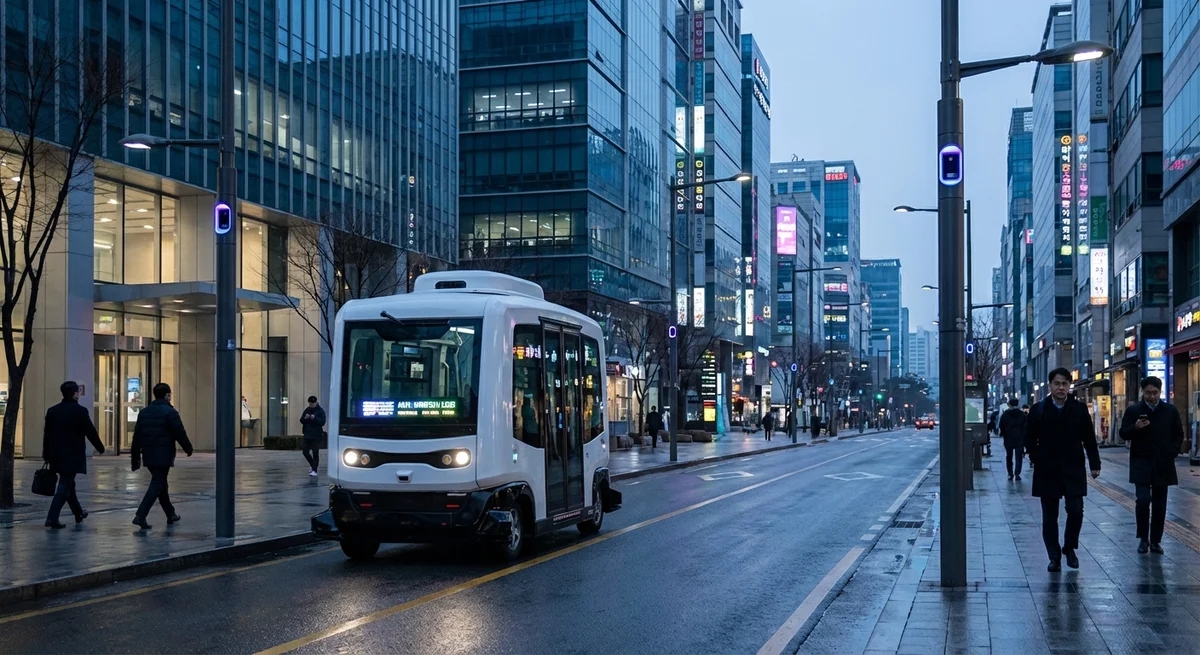
While Western tech giants debate when autonomous vehicles will fill the streets, Chinese companies are simply building those very streets. The fresh news of a partnership between Mogox and LG Electronics is not just another protocol meeting in ties. It's a bid to reshape the autonomous transportation market, where the focus shifts from "smart car" to "smart road."
Mogox has long promoted the concept of integrating automobile, road, and cloud, and now they have found an ally with colossal resources in LG. To understand the scale of Mogox's ambitions, one should recall their recent triumph in Singapore. There, the company, as part of a consortium with BYD and MKX Technologies, won a tender to launch the country's first official autonomous bus routes at level 4 autonomy (L4).
This was a powerful market signal: Chinese technology is ready for export and meets rigorous international standards. The LG Electronics deal logically continues this expansion. The Koreans, who have recently been actively investing in automotive components and "smart city" solutions, saw in Mogox the very software backbone they lacked for comprehensive offerings.
The collaboration will cover three key areas: deploying an autonomous vehicle fleet, building digital road infrastructure, and intelligent urban management. Essentially, the companies plan to sell cities "turnkey autopilot." Instead of waiting for each resident to buy an expensive Tesla, they offer authorities a way to modernize the road network itself.
Sensors on poles, smart traffic lights, and cloud coordination allow Mogox's autonomous vehicles to navigate much more confidently than their competitors who rely solely on the "vision" of the vehicle itself. For LG, this alliance is an excellent way to diversify its business. After exiting the smartphone market, the company is seeking new growth points, and the autonomous driving sector looks extremely promising.
Mogox, in turn, gains access to LG's production base and its global network of influence. This partnership is aimed not only at China and South Korea, but at the entire global market. If the "smart road + cheap autonomous bus" scheme works in Seoul as well as it did in Singapore, Western startups will be in serious trouble.
They will have to compete not with separate software, but with an entire ecosystem deeply integrated into the urban environment. The intrigue here lies in how quickly Korean regulators will allow Chinese software to manage their roads. Data security and technological sovereignty questions remain.
However, pragmatism often overcomes concerns, especially when leading the digital transformation of cities is at stake. Mogox has clearly found the weak spot of their competitors: they don't just teach a car to drive, they're rebuilding the world for their cars. And support from a giant like LG makes this plan frighteningly realistic.
The main point: Mogox is transitioning from the league of local startups to the status of global player. Will Western companies be able to offer something comparable in scale of infrastructure approach?
Want to stop reading about AI and start using it?
AI News is a curated feed of AI/tech news. Hamidun Academy teaches you to use AI systematically in your work.