Waymo: $16 billion to finally make you forget about drivers
Waymo официально стала тяжеловесом индустрии с оценкой в $126 млрд после раунда на $16 млрд. В списке инвесторов — весь цвет Кремниевой долины и Китая: от Sequo
AI-processed from 36Kr (36氪); edited by Hamidun News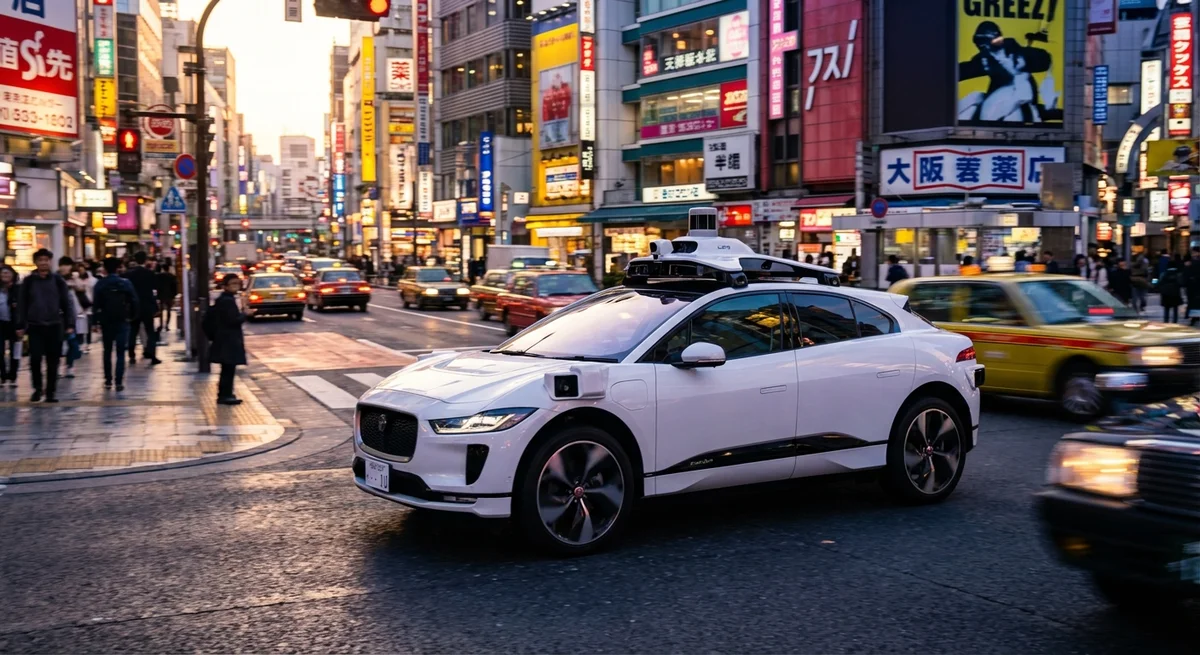
While the industry argues about when neural networks will replace programmers, Waymo decided to remind everyone who the real master of the physical world is. A sum of 16 billion dollars sounds like the budget of a small country, but for the autonomous driving market, it's the fuel needed for the final push. The company's valuation soared to 126 billion dollars — a figure that makes even the most successful old-school automakers nervously smoke on the sidelines.
This isn't just another round, it's an acknowledgment that the era of free experiments has ended and the big game has begun. To understand the scale of the event, you need to look back. Waymo started as a secret Google Chauffeur project back when the idea of a car without a steering wheel seemed like science fiction.
Over the years, Alphabet poured tens of billions into the division, tolerating losses and skeptics' ridicule. Today's list of investors reads like a Forbes list in the world of venture capital: Sequoia Capital, Andreessen Horowitz (a16z), Tiger Global, and even Chinese LongYue Capital. The fact that Alphabet maintains a controlling stake speaks volumes — the parent company is not ready to part with the goose that's about to lay golden eggs.
Why did investors suddenly decide to write such checks right now? The answer is simple: Waymo is the only company whose robotaxis actually work 24/7 in several US megacities without a driver behind the wheel. While Tesla competitors feed their audience promises about self-driving cars that will come sometime later, Waymo has already racked up millions of miles in San Francisco, Phoenix, and Los Angeles.
These 16 billion will go not toward theoretical laboratory research, but toward aggressive fleet scaling and purchasing new platforms, likely based on Zeekr electric vehicles. The Waymo Driver technology stack has come a long way from bulky rooftop systems to elegant integrated solutions. But the main change happened in the minds of regulators and users.
People stopped filming passing empty cars on video as a marvel; they started using them like regular taxis to get to a bar or work. This shift in perception is the most expensive part of Waymo's valuation. Investors are betting that the company will become the operating system for moving people and cargo, taking for itself the margin that Uber and drivers used to split.
It's worth noting the participation of DST Global's Yuri Milner and Bessemer Venture Partners. These funds are known for their ability to enter projects at the stage when they're ready for global dominance. For Waymo, this means transitioning to a stage where software and hardware work in perfect symbiosis.
The company is no longer just teaching a car to turn left — it's building an incredibly complex logistics network capable of managing thousands of autonomous units simultaneously without a single failure in cloud infrastructure. This requires colossal spending on server capacity and real-time data processing. Competition, meanwhile, is only intensifying.
Despite its enormous lead, Waymo feels the breath of Chinese players like Apollo Go from Baidu and American startups like Zoox on its neck. However, the 16 billion dollar financial cushion gives Waymo the right to make mistakes that others don't have. This allows them not just to survive, but to dictate the rules of the game, setting safety standards and interaction with the urban environment.
Ultimately, the struggle isn't about the number of miles, but about passenger and official trust. The key point: Waymo has definitively transformed from a research project into an industrial giant capable of digesting billions of dollars to capture the transportation services market. With such a valuation and Alphabet's support, the question of whether robotaxis will spread everywhere is essentially closed.
There remains only one question: how quickly will Waymo be able to displace regular taxi drivers from your city?
Want to stop reading about AI and start using it?
AI News is a curated feed of AI/tech news. Hamidun Academy teaches you to use AI systematically in your work.