Здоровье вместо карьеры: почему китайские зумеры теперь советуются с ИИ, а не с боссом
В Китае тектонический сдвиг: вместо традиционной погони за карьерными успехами молодежь выбирает «карточку здоровья». Данные Accenture подтверждают: приоритет з
AI-processed from 36Kr (36氪); edited by Hamidun News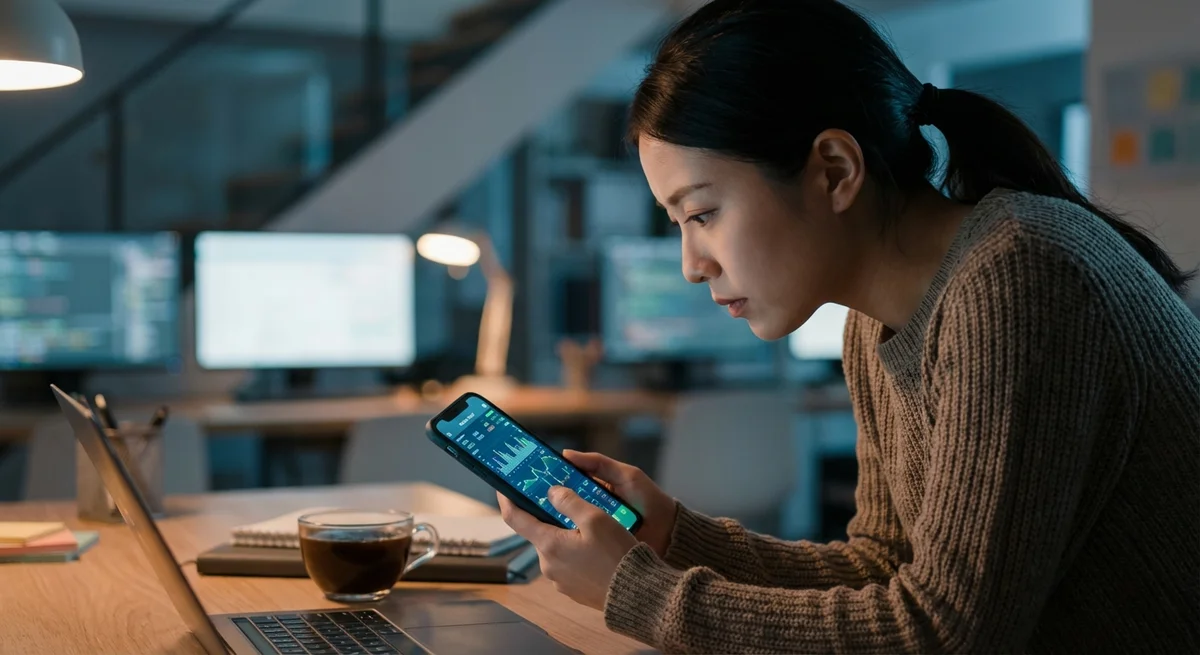
Picture a typical evening at a major Chinese tech giant's office. You're fixing bugs at 2 AM, drinking your fifth coffee, and suddenly feel your heart playing a strange solo. This isn't a drama script—it's the reality of 29-year-old developer Cheng Gun, who nearly became part of grim statistics.
In China, one out of every four heart attacks now occurs in people under 45. A generation raised in the "996" culture (working from 9 AM to 9 PM, six days a week) suddenly realized that without health, all their stock options and career ladders mean nothing. This shift in consciousness transformed Alipay's annual digital game "Five Blessings" into a real manifesto of change.
If previously everyone hunted for the "diligence card" symbolizing workaholism, now the "health card" has become the hit. According to a fresh Accenture report, health priority among Chinese consumers has surged to 87%, surpassing career and even love. Gen Z and late millennials feel this particularly acutely.
But instead of standing in endless queues at state clinics, this digital nation turned to artificial intelligence. In 2025, AI stopped being a toy for generating pictures and became a full-fledged medical hub. The main hero here is "Ant Afu"—a specialized medical AI assistant embedded in the Alipay ecosystem.
The statistics are striking: in six months of operation, the assistant began processing over 10 million requests daily. Almost 40% of its audience consists of people under 35 who are trying to understand why their blood sugar levels or uric acid levels behave like stocks in a volatile market. Why does youth trust algorithms more than traditional methods?
The answer lies in accessibility and the absence of "commercial noise." Searching for symptoms on the regular internet often turns into a quest through ads for dubious clinics, causing only bouts of cyberchondria. The AI assistant works differently: it analyzes photographs of actual medical reports, deciphers complex terminology, and provides recommendations for nutrition or exercise 24/7.
For a woman named Han Yue, who was diagnosed with prediabetes at 29, such a bot became a personal nutritionist and endocrinologist who never sleeps. She uploads photos of her meals, and the AI calculates glycemic load faster than she can pick up a fork. This is a shift from abstract anxiety to concrete management of one's condition through data.
This trend highlights an important transformation in AI's role in society. While Western media debates whether ChatGPT will replace copywriters, in China AI is solving the problem of an existential crisis in an overburdened healthcare system. Young people use technology to reclaim control over their own bodies, which they once delegated to corporations.
The irony of fate: we created smart algorithms to help us work faster, but in the end we use them just to survive after that very work. AI here acts not as an "innovative breakthrough," but as a necessary crutch for an entire generation facing diseases that were once considered "old age ailments." Ultimately, the virtual "health card" won't cure your cervical osteochondrosis and won't magically reduce stress levels.
However, it serves as a powerful psychological anchor. When millions of people simultaneously choose "health" over "diligence," it changes the entire industry landscape. Companies are forced to adapt: if previously a bonus was free dinner at the office at midnight, now it might be a subscription to advanced AI health monitoring.
We are witnessing the sunset of an era of mindless achievement and the dawn of an era of "smart self-preservation," where the main KPI becomes not the number of closed tickets, but a normal heart rhythm on a smartwatch screen. The main point: AI in China has become a tool of a quiet revolution against burnout culture. Will Western tech giants be able to offer a similar level of integration of medicine and AI, or will we continue to use neural networks only for writing emails?
Want to stop reading about AI and start using it?
AI News is a curated feed of AI/tech news. Hamidun Academy teaches you to use AI systematically in your work.