Chinese market bets on hardware: why AI infrastructure is pulling up indices
Китайские биржи окрасились в зеленый: Шанхайский индекс прибавил более 1%, а технологичный ChiNext взлетел на 1.8%. Драйвером роста стали не абстрактные стартап
AI-processed from 36Kr (36氪); edited by Hamidun News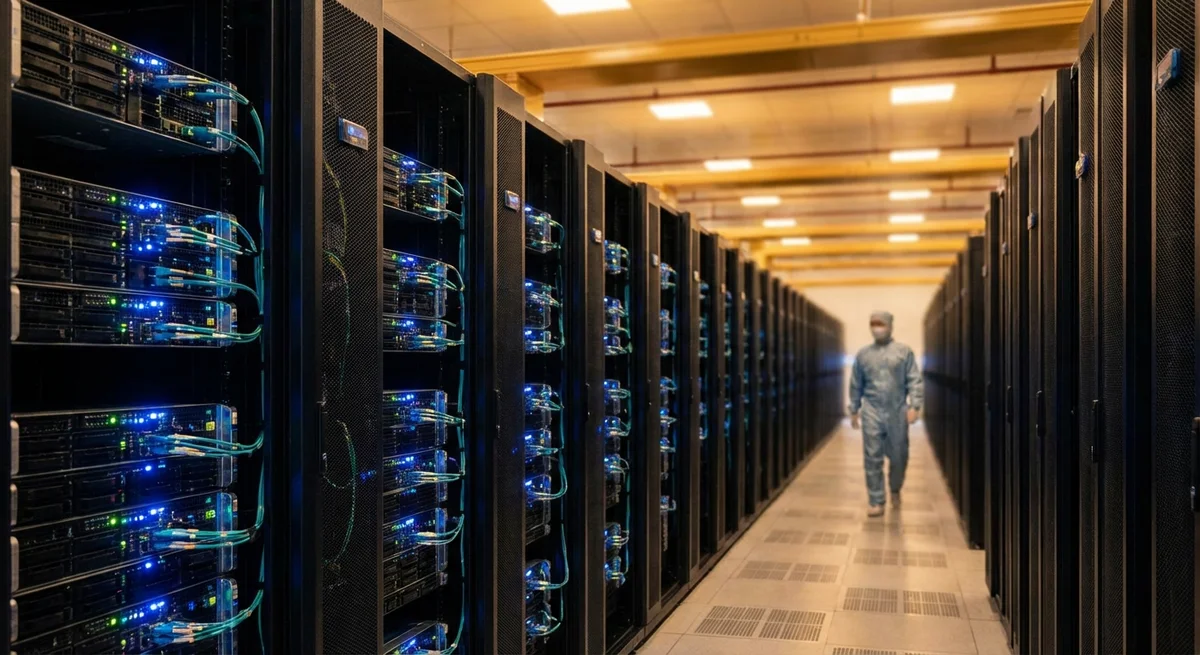
Markets often make mistakes in their forecasts, but they rarely ignore real cash flows directed at the foundation of an industry. Today's surge in Chinese indices is not just a technical rebound after a prolonged lull. When the Shanghai Composite Index gains a percentage point while the ChiNext technology index shoots up 1.
8%, it's worth taking a closer look at who exactly is pulling this locomotive. Leading the growth today are hardware for computing and commercial space exploration. This signals that investors in China have finally shifted their focus from software giants to those building the physical foundation for digital dominance.
Let's be honest: over the past couple of years, the Chinese tech sector has been in waiting mode. Sanctions on chip supplies and internal regulatory turbulence forced many to doubt Beijing's ability to maintain the pace of the AI race. However, today's growth across nearly 4,700 stocks on all three major exchanges—Shanghai, Shenzhen, and Beijing—hints that skepticism is giving way to pragmatic optimism.
The main interest is concentrated around the concept of "computing power." In China, this word has become almost sacred. It's not just the number of teraflops in a server rack, but a national strategy for distributing computational capacity from east to west across the country.
Investors are betting on companies that manufacture servers, cooling systems, and specialized hardware capable of replacing the unavailable solutions from NVIDIA. Interestingly, alongside AI hardware comes commercial space exploration and space photovoltaic technologies. At first glance, these seem like different worlds, but in the logic of modern tech, they are inseparable.
Global AI requires global connectivity. Satellite constellations are not just about internet in the mountains; they're about transmitting massive volumes of data for model training and managing autonomous systems in real time. China is actively building its own alternative to Starlink, and the market understands: without its own "space internet," ambitions in autonomous transportation and remote production management will remain mere PowerPoint presentations.
Why does this matter right now? We are witnessing a transformation of the Chinese economy that authorities call "new qualitative productive forces." Instead of inflating bubbles in real estate, capital is being directed toward building infrastructure that cannot simply be "switched off" from outside.
The growth of the computing hardware sector is the answer to the question of what will train China's GPT-5 equivalents a year from now. If you have your own server manufacturing plants and your own satellites for data transmission, you become a player that cannot be ignored, even if you've been cut off from Western clouds. Of course, one day of gains does not mean final victory, but the mass nature of this movement is impressive.
When nearly five thousand companies are in the black, it doesn't look like manipulation by major players. It looks like a collective realization that the bottom has been reached, and the real AI infrastructure sector is the safest harbor in current geopolitical conditions. While Western analysts argue about AI ethics and chatbot hallucinations, the East is focused on ensuring these bots have enough electricity and silicon to operate.
The main point: China has definitively placed its bet on self-sufficient "hardware." Can the domestic equipment market compensate for the lack of advanced Western manufacturing processes in the long term?
Want to stop reading about AI and start using it?
AI News is a curated feed of AI/tech news. Hamidun Academy teaches you to use AI systematically in your work.