AI and the Crisis of Truth: Why We Were Afraid of the Wrong Thing
Долгое время нас пугали «апокалипсисом правды», где ИИ-дипфейки заставят верить в ложь. Но реальность оказалась ироничнее. Проблема не в том, что мы верим фейка
AI-processed from MIT Technology Review; edited by Hamidun News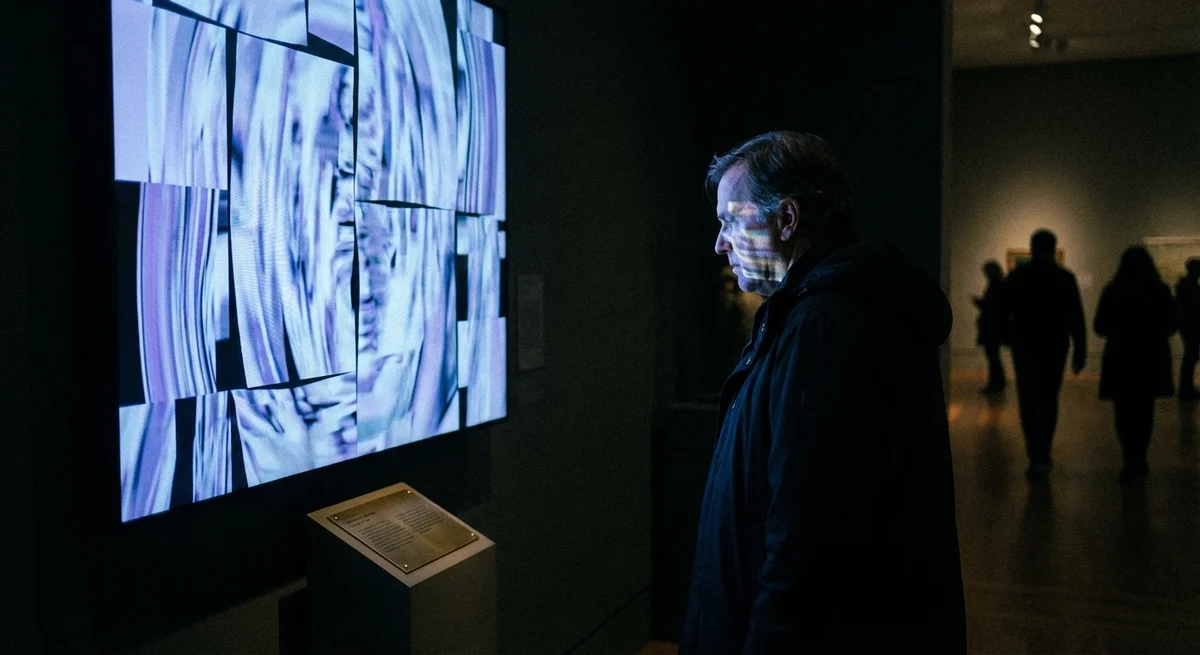
Remember those times when deepfakes were the main scare about AI? We were promised an apocalypse in which we couldn't distinguish videos of the president from neural network creations. We prepared for a war for truth, armed with detectors and fact-checking. But it seems we missed the most important thing: AI doesn't break the picture on the screen, but our very ability to perceive reality. It turned out that even if we catch the neural network in a lie, the damage is already done.
The concept of "truth decay" has been discussed for years, but it has now entered a phase that few predicted. Traditionally, we believed that the solution lies in technology: we would create watermarks, train classifiers, and everything would be fine. However, psychological research reveals something frightening. Even when a person knows that content was created by AI, false information still settles in their memory and affects future judgments. This is a kind of mental virus for which we have no immunity.
What really changed is the cost of creating doubt. Previously, undermining trust in an event required the resources of entire media holdings or intelligence services. Now a couple of requests to a language model is enough. But the irony is that the main victim becomes not the lie, but truth itself. In a world where everything can be fake, the simplest way out for the psyche is to refuse to believe anything at all. This state is called the "liar's dividend": now any politician or corporation only needs to claim that a compromising actual recording of them is merely "neural network generation."
We focused too long on the question "how to distinguish fake?" while ignoring "how to preserve trust?" While engineers try to embed invisible marks in pixels, society loses common ground beneath its feet. If we used to argue about the interpretation of facts, now we argue about the very existence of these facts. And here lies the main trap: the more we train ourselves to be suspicious of AI, the more vulnerable we become to manipulation in the real world.
The situation is worsened by the fact that social media algorithms continue to reward engagement rather than accuracy. AI content that provokes rage or delight spreads faster than any correction. As a result, we get an environment where truth is simply unprofitable in terms of reach. We are building digital infrastructure on a foundation of quicksand, and so far there is no serious architectural solution visible that could fix this.
Instead of seeking a technical "silver bullet," we will have to acknowledge: the truth crisis is not a technical bug, but a social pathology. We are used to trusting our eyes and ears, but this era has ended. Now trust must be built on the reputation of institutions and transparency of processes, rather than on the quality of the image. But are we ready for such a radical restructuring of our thinking?
The main point: the problem is not that AI lies too well, but that we too easily stop believing in truth. Will we be able to restore trust before it finally becomes an artifact of the past?
Want to stop reading about AI and start using it?
AI News is a curated feed of AI/tech news. Hamidun Academy teaches you to use AI systematically in your work.