Dictaphone with Brains: How AI Gadgets Turn Meetings into Text (And Why It's Not Just Hype)
Эра ручных заметок на совещаниях официально закончилась. Новая волна аппаратных ИИ-ноуттейкеров обещает не просто записывать звук, но и выдавать готовые резюме,
AI-processed from TechCrunch; edited by Hamidun News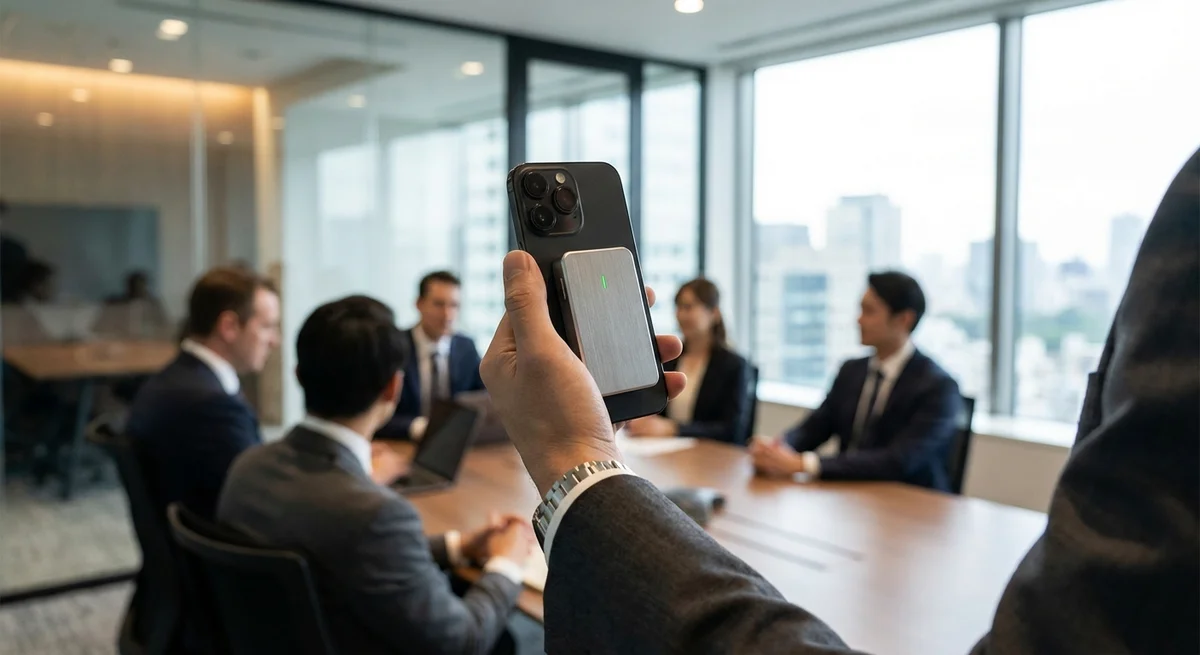
Remember those days when some poor employee would frantically scribble everything down in a notebook during meetings, only to circulate minutes that nobody would read? That era seems to be fading just as quickly as floppy disks and landline phones. While software giants like Microsoft and Google try to embed AI into every pixel of their video calls, a new class of devices has quietly grown on the market—hardware AI note-takers. These are not just voice recorders; they are your new digital secretaries that can listen, understand, and, most importantly, filter out the endless stream of office noise.
Why is this happening right now? After the pandemic, we found ourselves in a strange world of hybrid work, where the number of meetings has increased geometrically, while our attention has shrunk in the opposite direction. We are literally drowning in information. At first, cloud transcription services appeared, but they had one problem: they lived inside a computer or smartphone. And a smartphone is the main enemy of productivity. The moment you pull it out to start recording, a Telegram notification instantly steals your attention. Physical devices solve this problem by restoring our focus and offering specialized hardware designed for a single task.
Let's look at what's under the hood of these gadgets. These are no longer those hissing cassette players from the nineties. Modern devices like Plaud Note or new developments from Valley startups use multi-channel microphones and specialized chips for noise suppression. They can distinguish the boss's voice from the sound of a coffee machine and, thanks to integration with GPT-4 or Claude, deliver structured text. You don't get a forty-page transcript; instead, you get a short list: who promised to do what and by what deadline. Some models have gone even further and offer simultaneous translation. Imagine: your colleague from Tokyo speaks Japanese, and you see Russian text on your device's screen in real time.
Of course, a reasonable question arises: why do I need a separate gadget for a couple of hundred dollars when my iPhone has a microphone and access to ChatGPT? The answer lies in the details. First, there's privacy. Many of these devices process data locally or have dedicated encrypted channels, which is critical for the corporate sector. Second, there's autonomy. A voice recorder that lasts a month on a single charge and turns on with one button will always beat a smartphone that can die at the worst moment or have its recording interrupted by a call from mom.
However, not everything is rosy in the world of silicon stenographers. We observe an interesting irony: technologies designed to save our time force us to spend it reading endless summaries. We create more content than we can digest. If previously we could forget about a pointless meeting right after it ended, now AI will thoughtfully remind us of every stupid thing said in the conference room. Moreover, the industry is currently at a crossroads. Either these gadgets will become part of our everyday attire, or they will remain a niche tool for lawyers, journalists, and top executives.
What does this mean for the market? We're seeing the beginning of a major battle for user attention. Large players are watching the success of small startups closely, and it's quite possible that soon Apple or Samsung will simply devour this market by adding similar functionality at the system level. But until that happens, hardware note-takers remain the most honest way to delegate boring routine work to algorithms. These are gadgets for those who value their time more than a spot in their pocket.
The bottom line: AI voice recorders are the first successful example of how neural networks are moving from the cloud into the real physical world, solving a concrete user pain point without unnecessary hype. Will they survive when AI is embedded in every wearable device?
Want to stop reading about AI and start using it?
AI News is a curated feed of AI/tech news. Hamidun Academy teaches you to use AI systematically in your work.