Apple and Money: Does Tim Cook Not Know How to Monetize AI?
Let's be honest: we all expected this question. At the last investor call, a brave analyst from Morgan Stanley decided to violate corporate etiquette and ask…
AI-processed from TechCrunch; edited by Hamidun News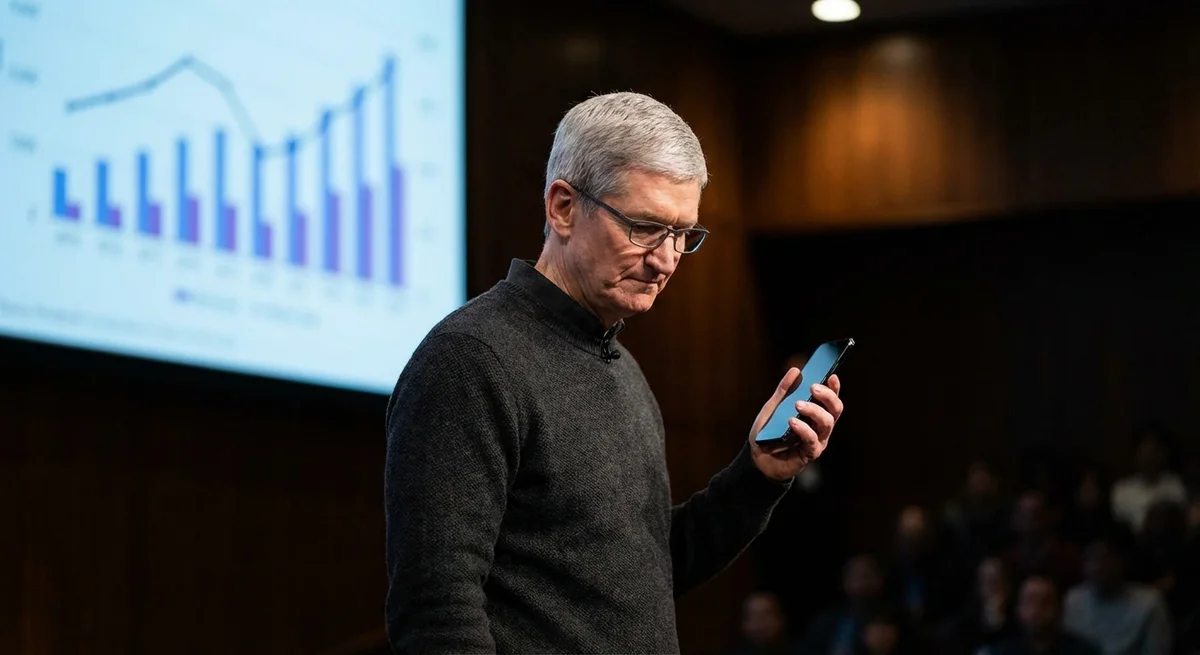
Let's be honest: we all expected this question. At the last investor call, a brave analyst from Morgan Stanley decided to violate corporate etiquette and ask point-blank: "Tim, but where's the money?" To be more precise, the analyst wanted to know how Apple plans to monetize its colossal investments in Apple Intelligence. The answer that followed can be described in one phrase: "We haven't decided yet, but you hang tight."
The situation looks comical against the backdrop of competitors. Satya Nadella has long been counting profits from Copilot subscriptions. Google is embedding Gemini into every device and asking for money through Google One. Even OpenAI, being a startup (albeit a giant one), has a clear business model: $20 a month, and the magic is yours. Apple bursts into the AI race with a product that... is free. Well, almost.
Cook, in his signature manner of diplomatically dodging the question, made it clear that monetization for Apple right now is not direct service sales. It's the good old selling of hardware. The Cupertino logic is simple to the point of absurdity: you want a smart Siri and emoji generation? Great, throw out your iPhone 14 and buy 15 Pro or wait for the 16th model. Apple Intelligence only works on A17 Pro and newer chips (plus M-series in Macs). That is, AI here acts not as a product, but as a marketing hook for upgrades.
But here lies a problem that Tim Cook carefully avoids. AI infrastructure costs are not iCloud costs. These are completely different orders of magnitude. Training models and, more importantly, inference (processing user requests) require enormous computing power. Apple is building its own secure Private Cloud Compute servers, buying chips, consuming energy. And if Microsoft passes these expenses on to subscribers' shoulders, Apple is currently subsidizing each of your neural network requests from its own pocket, hoping that the margin from smartphone sales will cover it.
Historically, Apple has always been brilliant at selling us an ecosystem. But AI is the first case in a long time when technology requires constant, minute-by-minute expenses per user AFTER the device is purchased. Hardware is sold once, but servers run constantly. Will the "iPhone tax" be enough to pay for the feast?
Most likely, we are witnessing only the first act of the play. Now Cook's task is to not scare users away with paid subscriptions and to catch up with the market in functionality. But don't be surprised if in a year or so, when Apple Intelligence exits beta status (which, by the way, won't even be fully available at the start of new iPhone sales), we see an announcement of Apple Intelligence+. Because even Apple doesn't have endless money, and Morgan Stanley investors know how to count very well.
The main point: Apple is betting everything that AI will become a driver of hardware sales, not a separate service. This is a risky game against the market, where everyone else has already moved to a subscription model. If iPhone 16 doesn't show record sales, Cook will have to urgently come up with a Plan B.
Want to stop reading about AI and start using it?
AI News is a curated feed of AI/tech news. Hamidun Academy teaches you to use AI systematically in your work.